News / National
Fresh row erupts over Mnangagwa's Zanu PF term
06 Sep 2026 at 09:10hrs |
624 Views
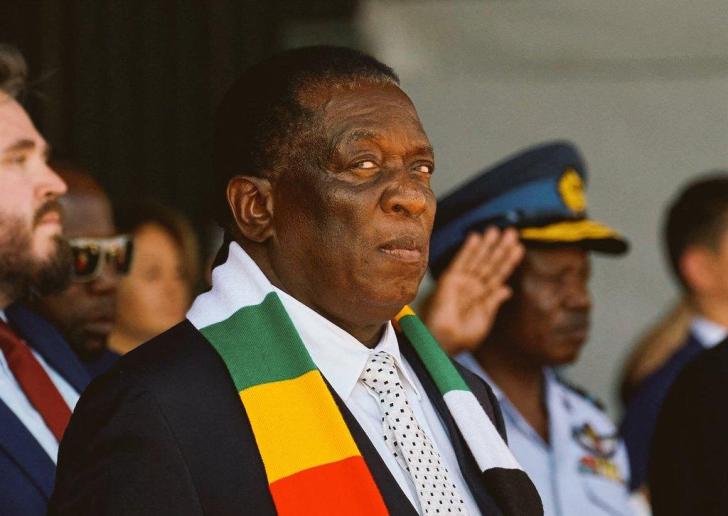
ZANU-PF is heading for another potentially bruising factional battle over proposals to postpone its next elective congress, with critics warning that extending President Emmerson Mnangagwa's tenure as party leader could violate the party's constitution and set a dangerous precedent for internal democracy.
The push has emerged from provincial structures ahead of the party's annual national people's conference in Chinhoyi in October, reviving tensions over succession and internal power struggles.
There are also allegations that money is being used to secure support for resolutions calling for the postponement of the elective congress, although the claims have been dismissed by the party.
The proposed changes are linked to Constitution Amendment Act No. 3, which extended Mnangagwa's presidential term to 2030. His supporters are seeking to align his tenure as Zanu-PF first secretary with the extended national mandate.
Critics, however, argue that the party must follow its own constitution before extending the tenure of its leader or postponing an elective congress.
Party structures are currently holding provincial meetings, with resolutions expected to be forwarded to the national people's conference for consideration.
Sources said the campaign to extend Mnangagwa's tenure within Zanu-PF to 2030 had exposed fresh divisions in the party.
"The leader is selected at congress, but Mnangagwa's term now ends in 2030, according to CAA3, yet the party has not ratified that change," a source told NewsDay.
"The change should be done by congress, but a section of Zanu-PF wants to push the congress to 2029 using the central committee, which is against the provisions of the party constitution."
The source alleged that provincial structures were being mobilised to support the proposal.
"The loyalists are buying provincial structures to move a motion that congress be moved to 2030. Provinces have since started making such resolutions," the source said.
The Zanu-PF Harare province met over the weekend and endorsed Mnangagwa as the party's president and first secretary until 2030.
Critics questioned how such a resolution could be implemented without approval from congress.
"How are they going to do so without a congress resolution? They want to use the politburo and then the central committee to supplant congress and adopt the resolution," another source said.
"This is against the party constitution. Such a decision needs a congress. Money is changing hands to move the congress to 2029."
Zanu-PF director of information Farai Marapira dismissed the allegations and said there was nothing irregular about provincial structures passing resolutions for consideration by the national people's conference.
"What the provinces are doing is in order as they will forward them to the annual people's conference for consideration. As of now, it's not a party position," Marapira said.
"If it is deliberated and passed at the annual conference, that's when it becomes a party position."
He said provincial structures were constitutionally entitled to pass resolutions for consideration by higher party organs.
Political commentator Ruben Mbofana said Zanu-PF's congress was the party's highest decision-making body and warned against allowing lower structures to alter fundamental leadership timelines.
"Relying on lower or administrative bodies, such as the central committee or provincial executive councils, to alter these timelines risks weakening internal party democracy by concentrating constitutional powers within executive structures," Mbofana said.
He said changing fundamental electoral timelines without direct authority from congress could establish a precedent where party rules were repeatedly altered to suit incumbent interests.
Mbofana described the latest proposal as a "factional management strategy", arguing that postponing an elective congress could temporarily ease internal tensions but potentially deepen grievances by limiting opportunities for leadership contests.
Political analyst Rashweat Mukundu, however, took a different view, saying Zanu-PF effectively had little choice but to align its internal electoral processes with the amended national Constitution.
"It only makes sense that whoever is the party candidate has both the national and party mandate over a given time," Mukundu said.
He argued that opponents of changing the party constitution should have raised their objections before the passage of Constitution Amendment Bill No. 3.
"As things stand, the horse has bolted from the stables," he said.
Zanu-PF has been marked by factional battles since Mnangagwa replaced former president Robert Mugabe in 2017, with succession, leadership control and competing political interests frequently driving internal tensions.
The latest dispute comes amid continued speculation over Mnangagwa's eventual successor and the competing factions positioning themselves for influence.
The internal contest became increasingly visible in late 2025 after Vice-President Constantino Chiwenga presented allegations of widespread corruption involving individuals linked to the President.
Mnangagwa's allies responded by accusing Chiwenga of plotting against the President, while war veterans, including the late Blessed Geza, also publicly criticised Mnangagwa over governance issues.
The proposed postponement of the elective congress is therefore likely to become another major test of Zanu-PF's ability to manage succession pressures, internal factional competition and demands for constitutional adherence while maintaining unity around Mnangagwa's extended tenure.
The push has emerged from provincial structures ahead of the party's annual national people's conference in Chinhoyi in October, reviving tensions over succession and internal power struggles.
There are also allegations that money is being used to secure support for resolutions calling for the postponement of the elective congress, although the claims have been dismissed by the party.
The proposed changes are linked to Constitution Amendment Act No. 3, which extended Mnangagwa's presidential term to 2030. His supporters are seeking to align his tenure as Zanu-PF first secretary with the extended national mandate.
Critics, however, argue that the party must follow its own constitution before extending the tenure of its leader or postponing an elective congress.
Party structures are currently holding provincial meetings, with resolutions expected to be forwarded to the national people's conference for consideration.
Sources said the campaign to extend Mnangagwa's tenure within Zanu-PF to 2030 had exposed fresh divisions in the party.
"The leader is selected at congress, but Mnangagwa's term now ends in 2030, according to CAA3, yet the party has not ratified that change," a source told NewsDay.
"The change should be done by congress, but a section of Zanu-PF wants to push the congress to 2029 using the central committee, which is against the provisions of the party constitution."
The source alleged that provincial structures were being mobilised to support the proposal.
"The loyalists are buying provincial structures to move a motion that congress be moved to 2030. Provinces have since started making such resolutions," the source said.
The Zanu-PF Harare province met over the weekend and endorsed Mnangagwa as the party's president and first secretary until 2030.
Critics questioned how such a resolution could be implemented without approval from congress.
"How are they going to do so without a congress resolution? They want to use the politburo and then the central committee to supplant congress and adopt the resolution," another source said.
"This is against the party constitution. Such a decision needs a congress. Money is changing hands to move the congress to 2029."
Zanu-PF director of information Farai Marapira dismissed the allegations and said there was nothing irregular about provincial structures passing resolutions for consideration by the national people's conference.
"If it is deliberated and passed at the annual conference, that's when it becomes a party position."
He said provincial structures were constitutionally entitled to pass resolutions for consideration by higher party organs.
Political commentator Ruben Mbofana said Zanu-PF's congress was the party's highest decision-making body and warned against allowing lower structures to alter fundamental leadership timelines.
"Relying on lower or administrative bodies, such as the central committee or provincial executive councils, to alter these timelines risks weakening internal party democracy by concentrating constitutional powers within executive structures," Mbofana said.
He said changing fundamental electoral timelines without direct authority from congress could establish a precedent where party rules were repeatedly altered to suit incumbent interests.
Mbofana described the latest proposal as a "factional management strategy", arguing that postponing an elective congress could temporarily ease internal tensions but potentially deepen grievances by limiting opportunities for leadership contests.
Political analyst Rashweat Mukundu, however, took a different view, saying Zanu-PF effectively had little choice but to align its internal electoral processes with the amended national Constitution.
"It only makes sense that whoever is the party candidate has both the national and party mandate over a given time," Mukundu said.
He argued that opponents of changing the party constitution should have raised their objections before the passage of Constitution Amendment Bill No. 3.
"As things stand, the horse has bolted from the stables," he said.
Zanu-PF has been marked by factional battles since Mnangagwa replaced former president Robert Mugabe in 2017, with succession, leadership control and competing political interests frequently driving internal tensions.
The latest dispute comes amid continued speculation over Mnangagwa's eventual successor and the competing factions positioning themselves for influence.
The internal contest became increasingly visible in late 2025 after Vice-President Constantino Chiwenga presented allegations of widespread corruption involving individuals linked to the President.
Mnangagwa's allies responded by accusing Chiwenga of plotting against the President, while war veterans, including the late Blessed Geza, also publicly criticised Mnangagwa over governance issues.
The proposed postponement of the elective congress is therefore likely to become another major test of Zanu-PF's ability to manage succession pressures, internal factional competition and demands for constitutional adherence while maintaining unity around Mnangagwa's extended tenure.
Source - NewsDay
Join the discussion
Loading comments…





