News / National
Experts propose new Zesa unit distribution concept
2 hrs ago |
26 Views
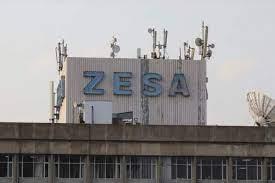
Electricity contractors have proposed a digital platform that would allow consumers and businesses to purchase, transfer and redeem electricity credits, potentially creating new opportunities for independent power producers (IPPs) in Zimbabwe.
The proposed Zesa Unit Distribution Company (ZUDC) concept was presented during the 2026 Pre-Strategy Review Meeting Workshop on Stakeholder Consultation and Feedback, hosted by the Zimbabwe Energy Regulatory Authority (ZERA) in Bulawayo on Thursday.
David Farley, corporate finance director at electricity engineering consultancy Scales Associates and chief executive officer and founder of MyAngu Gold Fintech, said the platform would introduce digital electricity credits known as Zesa Units (ZUs), designed to operate alongside the existing Zesa prepaid token system.
Under the proposal, ZUDC would source electricity units from independent power producers and the Zimbabwe Electricity Transmission and Distribution Company (ZETDC), allowing users to purchase credits, transfer them between accounts and redeem them through smart or prepaid electricity meters.
The platform would also provide digital accounts through which consumers and businesses could monitor electricity balances, purchase units, transfer credits and review transaction histories.
Farley said one Zesa Unit would represent one kilowatt-hour of off-peak electricity, with the presentation using an illustrative price of US$0.08 per unit.
A key feature of the proposal is its potential to simplify net-metering arrangements, under which electricity producers generate power primarily for their own consumption and supply surplus electricity to the national grid.
Using Nottingham Citrus, a Scales Associates client, as an example, Farley said the company generates 6 megawatts of electricity for its operations while remaining connected to the national grid.
He illustrated how the company could contribute 380,000 ZUs to the grid monthly, with the credits deposited directly into its digital account for future consumption. Under the proposed arrangement, the balance would decrease as electricity credits were used.
Farley said the system could also create a route for independent power producers whose primary business is supplying electricity to the grid to sell their earned credits through the platform.
For example, a hypothetical 10MW producer generating 3.7 million ZUs a month could sell the credits through the application and receive income from the transactions.
The platform would provide producers with monthly statements showing electricity generated and credits sold, expressed in both kilowatt-hours and monetary value.
Farley said the initial target market would include large electricity consumers such as United Refineries, with the possibility of expanding to retail customers and existing prepaid electricity token vendors.
Under the illustrative pricing model, purchasers would buy units at US$0.08 each, plus value-added tax, before redeeming them through compatible meters. The proposed application would also support transfers between users, similar to sending mobile phone airtime.
Farley called on ZERA to endorse the concept and support the establishment of a digital ledger for electricity credits used for net metering and commercial sales. He also urged the regulator to clarify whether producers operating under net-metering arrangements could sell surplus credits and to support a small pilot project and a vendor agreement with ZETDC.
He said the platform could improve transparency by creating an auditable record of electricity generation, purchases, transfers and redemptions.
Supporters of the proposal argue that a more flexible market for surplus electricity credits could improve the use of available power, create additional revenue opportunities for independent producers and potentially reduce reliance on battery storage.
However, the concept remains a proposal. Its implementation would depend on regulatory approval, agreements with ZETDC, compatibility with existing electricity meters and clear rules governing pricing, taxation, credit ownership and the sale of surplus power.
If approved and successfully implemented, ZUDC could introduce a new digital mechanism for managing electricity credits in Zimbabwe, particularly for businesses and producers seeking greater flexibility in how they use or monetise surplus electricity.
The proposed Zesa Unit Distribution Company (ZUDC) concept was presented during the 2026 Pre-Strategy Review Meeting Workshop on Stakeholder Consultation and Feedback, hosted by the Zimbabwe Energy Regulatory Authority (ZERA) in Bulawayo on Thursday.
David Farley, corporate finance director at electricity engineering consultancy Scales Associates and chief executive officer and founder of MyAngu Gold Fintech, said the platform would introduce digital electricity credits known as Zesa Units (ZUs), designed to operate alongside the existing Zesa prepaid token system.
Under the proposal, ZUDC would source electricity units from independent power producers and the Zimbabwe Electricity Transmission and Distribution Company (ZETDC), allowing users to purchase credits, transfer them between accounts and redeem them through smart or prepaid electricity meters.
The platform would also provide digital accounts through which consumers and businesses could monitor electricity balances, purchase units, transfer credits and review transaction histories.
Farley said one Zesa Unit would represent one kilowatt-hour of off-peak electricity, with the presentation using an illustrative price of US$0.08 per unit.
A key feature of the proposal is its potential to simplify net-metering arrangements, under which electricity producers generate power primarily for their own consumption and supply surplus electricity to the national grid.
Using Nottingham Citrus, a Scales Associates client, as an example, Farley said the company generates 6 megawatts of electricity for its operations while remaining connected to the national grid.
He illustrated how the company could contribute 380,000 ZUs to the grid monthly, with the credits deposited directly into its digital account for future consumption. Under the proposed arrangement, the balance would decrease as electricity credits were used.
For example, a hypothetical 10MW producer generating 3.7 million ZUs a month could sell the credits through the application and receive income from the transactions.
The platform would provide producers with monthly statements showing electricity generated and credits sold, expressed in both kilowatt-hours and monetary value.
Farley said the initial target market would include large electricity consumers such as United Refineries, with the possibility of expanding to retail customers and existing prepaid electricity token vendors.
Under the illustrative pricing model, purchasers would buy units at US$0.08 each, plus value-added tax, before redeeming them through compatible meters. The proposed application would also support transfers between users, similar to sending mobile phone airtime.
Farley called on ZERA to endorse the concept and support the establishment of a digital ledger for electricity credits used for net metering and commercial sales. He also urged the regulator to clarify whether producers operating under net-metering arrangements could sell surplus credits and to support a small pilot project and a vendor agreement with ZETDC.
He said the platform could improve transparency by creating an auditable record of electricity generation, purchases, transfers and redemptions.
Supporters of the proposal argue that a more flexible market for surplus electricity credits could improve the use of available power, create additional revenue opportunities for independent producers and potentially reduce reliance on battery storage.
However, the concept remains a proposal. Its implementation would depend on regulatory approval, agreements with ZETDC, compatibility with existing electricity meters and clear rules governing pricing, taxation, credit ownership and the sale of surplus power.
If approved and successfully implemented, ZUDC could introduce a new digital mechanism for managing electricity credits in Zimbabwe, particularly for businesses and producers seeking greater flexibility in how they use or monetise surplus electricity.
Source - The Chronicle
Join the discussion
Loading comments…