News / National
Zimbabwe takes nearly half of South Africa's maize exports
2 hrs ago |
33 Views
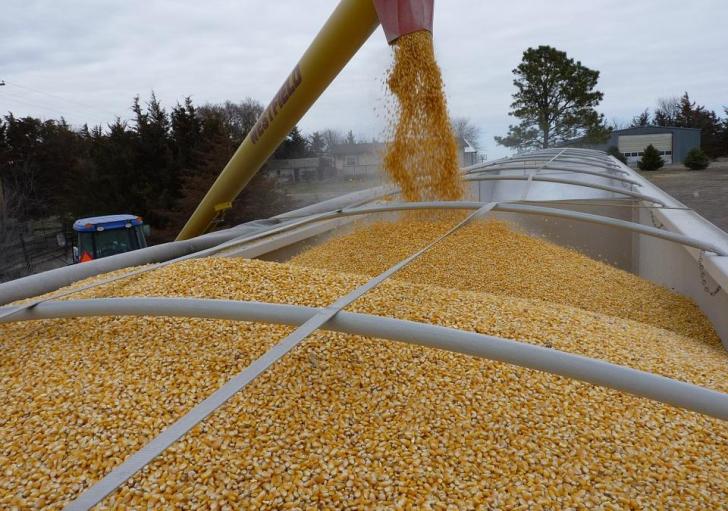
Zimbabwe accounted for almost half of South Africa's maize exports in the week ended October 9, as the government steps up grain stockpiling amid fears of a potentially severe El Niño-induced drought.
Figures from the South African Grain Information Service (SAGIS) show that Zimbabwe imported 17,178 tonnes of the 34,472 tonnes of maize exported by South Africa during the week, representing 49.8% of the total.
The consignments comprised 15,120 tonnes of white maize and 2,058 tonnes of yellow maize. The volume was nearly three times Zimbabwe's average weekly imports earlier in the current marketing season.
Since May, Zimbabwe has imported 153,048 tonnes of maize from South Africa, underscoring the country's continued reliance on regional grain supplies as it prepares for another potentially difficult agricultural season.
The increased imports come as authorities intensify efforts to build strategic grain reserves, expand grain collection infrastructure and mobilise supplies from farmers amid concerns that below-normal rainfall could affect domestic production.
The cost of imported maize is also under scrutiny. Indicative import-parity prices place South African maize at US$391 per tonne, compared with a quoted local price of US$364 per tonne on the Zimbabwe Mercantile Exchange (ZMX).
On those figures, locally traded maize is US$27 per tonne, or about 6.9%, cheaper than imported grain, although the comparison depends on pricing dates and whether transport, handling and other import-related costs are included.
It remains unclear how much of the imported maize will go towards replenishing the national strategic grain reserve and how much will be purchased by private millers and traders for commercial use. The impact of the imports on consumer prices, particularly mealie-meal, also remains uncertain.
The United States Department of Agriculture forecasts that Zimbabwe will need to import approximately 600,000 tonnes of maize during the 2026/27 marketing year to meet domestic demand and strategic reserve requirements. This is 25% below the estimated 800,000 tonnes imported in the previous marketing year, reflecting expectations of improved domestic production in 2025/26.
However, the import forecast is distinct from the government's broader strategic grain reserve target, with actual requirements depending on production, existing stocks and demand.
Grain Marketing Board (GMB) chief executive officer Edson Badarai has expressed confidence in the country's preparedness for the anticipated drought.
Speaking to journalists after a seminar on drought preparedness, Badarai said the board was "very much prepared for the El Niño" and would manage the situation as it did in 2024, when, he said, "no one died of hunger".
Badarai said the GMB was targeting 150,000 tonnes of grain from the summer marketing season and was confident the target would be achieved.
A further 150,000 tonnes is expected from winter wheat production, while the Ministry of Lands and Agriculture is seeking to increase summer crop output through irrigation.
Badarai said Agriculture Minister Anxious Masuka had outlined six pillars of the government's drought-mitigation strategy, including the strategic grain reserve, grain held by households and the 10kg grain contributions collected from beneficiaries of the Presidential Input Scheme.
To improve grain collection, the GMB has opened 1,884 collection points where smallholder farmers can aggregate and deliver their produce.
The board has also opened its depots to third-party grain owners, with 67,700 tonnes currently stored on their behalf. Storage charges have been reduced from US$2.90 to US$2.67 per tonne, while the ministry is reviewing the rate further.
The arrangement is intended to make grain storage more accessible to traders and other market participants while improving the use of GMB infrastructure.
Under the system, importers can deliver grain to a depot near the border and collect it from another depot closer to their processing plant, a model Badarai said would reduce transport time and costs.
The GMB also wants to position Zimbabwe as a regional grain-storage hub, attracting farmers and traders from countries such as Zambia and South Africa who supply the local market.
While the initiatives could strengthen Zimbabwe's ability to manage supply disruptions, their effectiveness will depend on the volume of grain secured, the financing of imports, domestic production and the government's ability to ensure supplies reach millers and consumers at affordable prices.
Source - newsday
Join the discussion
Loading comments…




