News / National
ZNA warns soldiers against indiscipline and crime
9 mins ago |
20 Views
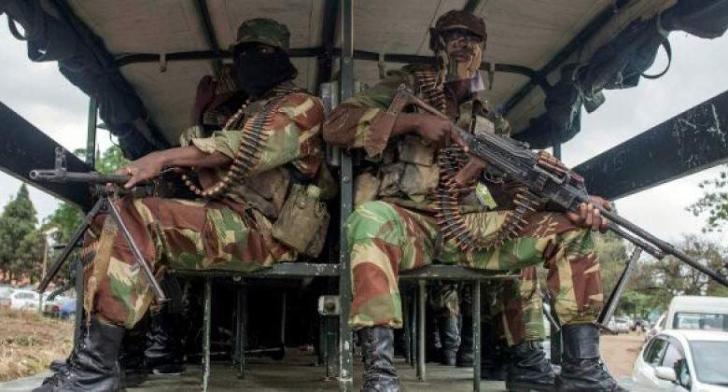
THE Zimbabwe National Army (ZNA) has issued a stern warning to soldiers and other security personnel against indiscipline, criminal activities and drug abuse, declaring that misconduct will not be tolerated regardless of rank or position.
The warning follows the dismissal of a trainee from a military training programme on disciplinary grounds, with army commanders emphasising that professionalism, integrity and accountability remain fundamental requirements within the country's security services.
Speaking during the ZNA Ordnance and Transport Training School's combined graduation ceremony at Khumalo Barracks in Bulawayo, ZNA director of procurement Colonel Albert Chibatamoto said discipline remained the foundation of military service.
"Discipline is the cornerstone of our organisation and any form of indiscipline is frowned upon. You were 288, two went back on medical grounds, while one, whom we are not proud of, went back due to indiscipline," he said.
Colonel Chibatamoto said the incident demonstrated the army's determination to enforce disciplinary standards throughout its training institutions and operational units.
He urged graduates to maintain exemplary conduct as they assumed responsibilities within their respective security organisations.
The training programme brought together personnel from several security institutions, including the Zimbabwe National Army, Zimbabwe Republic Police (ZRP), Zimbabwe Prisons and Correctional Service (ZPCS) and the Ministry of Defence.
Among the trainees were three representatives from the Ministry of Defence, five from the ZRP and nine from the ZPCS.
A total of 52 female trainees were among those graduating from the various courses.
Colonel Chibatamoto said the graduates had undergone intensive theoretical and practical training designed to strengthen their ability to manage military logistics, transport operations, equipment and other essential services.
He challenged them to apply their newly acquired skills effectively while providing sound professional advice to their superiors.
"My expectations and those of the command element from the graduates are the achievement of quality results and excellent service delivery to the Zimbabwe National Army, Zimbabwe Republic Police and Zimbabwe Prisons and Correctional Service," he said.
The senior army officer stressed that technical expertise alone was insufficient without honesty, accountability and responsible conduct.
He warned graduates against involvement in criminal activities, particularly robbery, as well as drug and substance abuse, saying such behaviour undermined public confidence in security institutions.
Security personnel, he said, were expected to uphold the highest standards of integrity because of the responsibilities entrusted to them.
Colonel Chibatamoto also highlighted the importance of adapting military training to emerging security challenges.
He said trainees had been introduced to contemporary subjects including civil-military relations, security awareness, crime prevention, campaign first aid, asymmetric warfare and cyber warfare.
The inclusion of these subjects was intended to prepare personnel for increasingly complex operational environments and evolving security threats.
Physical fitness also formed an important component of the programme, with training conducted in accordance with the ZNA's physical fitness policy and requirements established by the Army Headquarters Training Branch.
Colonel Chibatamoto said military training syllabuses would continue to be reviewed to ensure that graduates possessed relevant knowledge, practical competence and the physical capabilities required for their duties.
He urged graduates from the ordnance and transport courses to adhere strictly to established procedures governing equipment management, accounting and vehicle movements.
Personnel responsible for logistics operations were reminded of the importance of following Ordnance and Transport manuals, Accounting Standing Orders and Movement Regulations.
Catering graduates were challenged to ensure that soldiers and other security personnel received nutritious, properly prepared meals on time, recognising the importance of adequate nutrition in maintaining operational readiness.
Transport personnel were urged to embrace modern technology, manage vehicle fleets efficiently and comply with national regulations governing vehicle operations.
Those specialising in vehicle recovery were instructed to prioritise the timely repair and recovery of vehicles and equipment to minimise operational disruptions.
Colonel Chibatamoto said effective logistics management was essential to the successful functioning of security institutions, particularly where personnel depended on reliable transport, equipment and supplies to carry out their duties.
He also acknowledged challenges encountered during the training programme, assuring graduates that the concerns would be brought to the attention of the army's command element for consideration.
The issues would be assessed with a view to introducing improvements before the next training intake.
The graduation ceremony underscored the ZNA's emphasis on producing technically competent and disciplined personnel capable of supporting military and security operations.
Colonel Chibatamoto reiterated that graduates were expected to demonstrate professionalism, transparency and integrity throughout their careers, warning that the skills acquired during training must never be used to facilitate criminal conduct or abuse positions of authority.
Source - The Chronicle
Join the discussion
Loading comments…