News / National
Job Sikhala CCtv footage disappears from SA court documents
13 mins ago |
19 Views
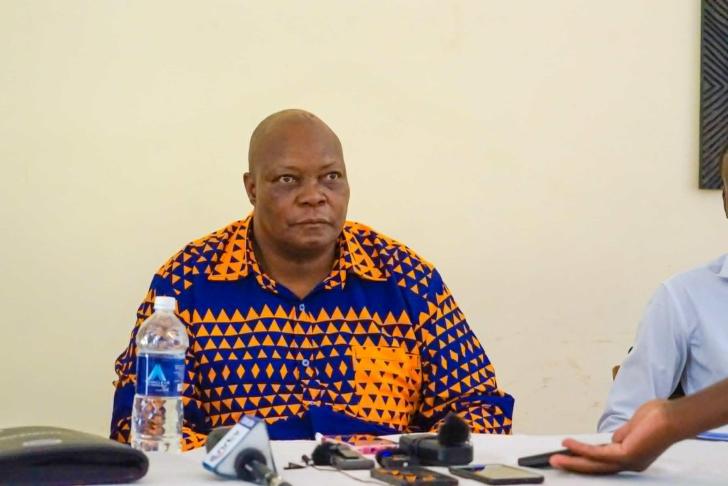
Fresh controversy has emerged in the South African criminal case involving Zimbabwean opposition politician Job Sikhala and his uncle, Alexander Thema, following allegations that crucial forensic evidence and CCTV footage have been omitted from documents supplied to their legal representatives.
According to claims made by Sikhala's camp, DNA and fingerprint test results allegedly showing no forensic link between the two men and explosives discovered in Thema's vehicle were missing from the prosecution documents handed to their lawyers.
The defence has also raised concerns over the alleged absence of CCTV footage said to show unidentified individuals, claimed to be Zimbabwean state security operatives, placing the explosives in the vehicle at Wonderboom Shopping Centre.
The allegations have not been independently verified, and it remains unclear whether the disputed forensic reports and footage were formally obtained by investigators, whether they are held by the prosecution, or why they were reportedly absent from the disclosed documents.
The latest developments have prompted questions from Sikhala's supporters about the circumstances surrounding his arrest and the handling of evidence in the case.
According to the account provided by his camp, the documents supplied to the defence contained a statement from the arresting officer alleging that Thema had directed police to question Sikhala about a paper bag found in the vehicle.
The officer reportedly claimed that Thema had indicated he knew nothing about the bag and suggested that police seek an explanation from his nephew.
However, Sikhala's camp disputes that version of events, maintaining that Thema strongly opposed his nephew's arrest.
According to their account, Thema repeatedly informed police that Sikhala was merely visiting him and had been travelling as a passenger in his vehicle.
Thema allegedly offered to take responsibility for the vehicle and be arrested himself rather than have Sikhala detained.
Despite those objections, police proceeded to handcuff Sikhala.
His supporters further allege that a photograph showing the politician in handcuffs was circulated publicly within approximately 30 minutes of his arrest, raising questions about how the image was obtained and distributed so quickly.
Sikhala's camp has gone further, alleging that the arrest resulted from a coordinated operation involving Zimbabwean security operatives and certain South African law enforcement officials.
They claim the operation was intended to implicate Sikhala in criminal activity and that evidence potentially favourable to the defence has subsequently been withheld or destroyed.
However, no independently verified evidence has been presented to establish those allegations, including claims that South African officers received payments or that Zimbabwean state agents planted the explosives.
The allegations of collusion and evidence tampering therefore remain unproven.
Contacted for comment on the reported developments, Sikhala appeared unfazed, indicating that South African law provided several avenues through which his legal representatives could challenge irregularities in the handling and disclosure of evidence.
He referred specifically to remedies available under South Africa's Criminal Procedure Act of 1977.
Sikhala also criticised those he believes were responsible for the alleged irregularities, describing their actions as amateurish and suggesting that further information would emerge as the matter progressed.
"Wait and see how the exposure will unfold," he said.
The dispute over the alleged missing evidence could become an important issue in the proceedings, particularly if the defence seeks formal disclosure of forensic reports, surveillance recordings and other material relevant to the charges.
Under South African criminal procedure, disputes concerning access to relevant evidence can be raised through appropriate legal processes, while allegations of evidence suppression or misconduct would require substantiation.
The case has attracted attention because of Sikhala's political profile and his previous encounters with Zimbabwe's criminal justice system.
For now, the central questions concern whether the disputed evidence exists, whether it was collected by investigators and whether the prosecution has complied with its disclosure obligations.
The South African authorities and prosecutors have not been quoted in the information provided as responding to the latest allegations.
Sikhala and Thema remain entitled to the presumption of innocence, while the claims of political interference and deliberate destruction of evidence await independent verification.
Source - Mirror
Join the discussion
Loading comments…