Lifestyle / Dose of Encouragement
From sleeping outdoors to sleeping beside us: the changing life of the domestic dog
2 hrs ago |
32 Views
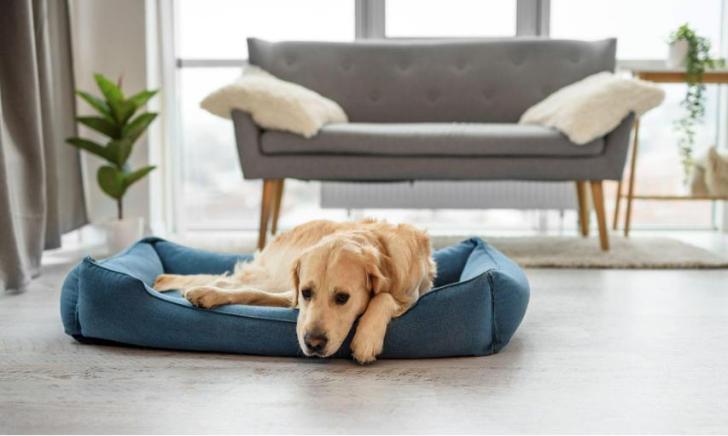
For thousands of years, dogs have lived alongside people, but their place in human society has changed dramatically. Early dogs were valued largely for practical reasons. Their keen senses, speed and ability to cooperate made them useful for hunting, guarding settlements and, later, protecting and managing livestock. The comfortable life enjoyed by many household dogs today would have looked very different in earlier periods.
That difference can even be seen in something as ordinary as sleep. A working dog living around a farm or settlement might once have slept wherever shelter and warmth were available. Today, pet owners can choose purpose-designed dog beds in different shapes, sizes and materials. The evolution of the dog's sleeping place reflects a much bigger change: dogs have gradually moved from the edges of human settlements into the heart of our homes.
Dogs originally had jobs to do
The relationship between humans and dogs stretches back thousands of years. Scientific research continues to investigate precisely when and where domestication began, but dogs descended from ancient wolf populations and became closely associated with people long before modern breeds existed.
For much of this shared history, keeping a dog was closely connected with what the animal could do. Depending on the period and culture, dogs assisted with hunting, guarded homes and animals, herded livestock or provided protection.
These working relationships did not necessarily mean people felt no affection for their dogs. Historical evidence shows that humans could form close emotional bonds with them. Nevertheless, ideas about animal care varied enormously between societies, and there was nothing resembling today's universal pet-care routine.
A sleeping place could therefore be extremely simple. Straw, cloth, an outdoor shelter or a convenient warm corner might be sufficient. Working dogs also frequently spent far more of their lives outdoors than many companion dogs do today.
Industrialisation changed everyday life for many dogs
As societies urbanised, the environments shared by humans and dogs changed too. Dogs continued to perform important working roles, but keeping animals primarily for companionship became increasingly familiar in many communities.
Selective breeding also produced dogs with highly varied body shapes, coats and characteristics. The enormous physical differences between breeds are part of the reason modern dog care cannot follow a completely uniform approach.
The twentieth century brought another important transformation. Veterinary medicine advanced, commercial pet food became widespread and knowledge about canine behaviour and welfare expanded. Owners increasingly had access to products created specifically for their animals rather than relying solely on adapted household materials.
Modern dogs have become members of the household
For many owners today, a dog is first and foremost a companion. Dogs share living rooms, accompany families on outings and sometimes even sleep in their owners' bedrooms. This closeness has encouraged people to pay greater attention to details that previous generations might not always have prioritised.
Rest is one example. Rather than simply providing somewhere for a dog to lie down, owners can consider body size, age, sleeping position, temperature and ease of cleaning when creating a comfortable sleeping environment.
Senior dogs may appreciate additional cushioning, while a large dog that likes stretching out needs different dimensions from a small dog that prefers curling up. Hygiene matters too, particularly for animals that regularly bring dust, hair or moisture indoors.
Better knowledge has changed responsible pet ownership
Modern pet care is about more than comfort. Vaccinations, parasite management, veterinary examinations, appropriate nutrition, exercise and mental stimulation have become familiar aspects of responsible ownership.
Attitudes are not identical everywhere, of course. Dogs still fulfil essential working roles throughout the world, and standards of care differ between countries, communities and individual households. It would therefore be misleading to suggest that every dog historically lived outdoors or that every modern dog enjoys luxurious treatment.
What has clearly changed is the range of knowledge and resources available to owners. Businesses such as Petworld reflect today's much broader pet-care environment, where products are designed around different aspects of an animal's daily life.
That difference can even be seen in something as ordinary as sleep. A working dog living around a farm or settlement might once have slept wherever shelter and warmth were available. Today, pet owners can choose purpose-designed dog beds in different shapes, sizes and materials. The evolution of the dog's sleeping place reflects a much bigger change: dogs have gradually moved from the edges of human settlements into the heart of our homes.
Dogs originally had jobs to do
The relationship between humans and dogs stretches back thousands of years. Scientific research continues to investigate precisely when and where domestication began, but dogs descended from ancient wolf populations and became closely associated with people long before modern breeds existed.
For much of this shared history, keeping a dog was closely connected with what the animal could do. Depending on the period and culture, dogs assisted with hunting, guarded homes and animals, herded livestock or provided protection.
These working relationships did not necessarily mean people felt no affection for their dogs. Historical evidence shows that humans could form close emotional bonds with them. Nevertheless, ideas about animal care varied enormously between societies, and there was nothing resembling today's universal pet-care routine.
A sleeping place could therefore be extremely simple. Straw, cloth, an outdoor shelter or a convenient warm corner might be sufficient. Working dogs also frequently spent far more of their lives outdoors than many companion dogs do today.
Industrialisation changed everyday life for many dogs
As societies urbanised, the environments shared by humans and dogs changed too. Dogs continued to perform important working roles, but keeping animals primarily for companionship became increasingly familiar in many communities.
Selective breeding also produced dogs with highly varied body shapes, coats and characteristics. The enormous physical differences between breeds are part of the reason modern dog care cannot follow a completely uniform approach.
The twentieth century brought another important transformation. Veterinary medicine advanced, commercial pet food became widespread and knowledge about canine behaviour and welfare expanded. Owners increasingly had access to products created specifically for their animals rather than relying solely on adapted household materials.
Modern dogs have become members of the household
For many owners today, a dog is first and foremost a companion. Dogs share living rooms, accompany families on outings and sometimes even sleep in their owners' bedrooms. This closeness has encouraged people to pay greater attention to details that previous generations might not always have prioritised.
Rest is one example. Rather than simply providing somewhere for a dog to lie down, owners can consider body size, age, sleeping position, temperature and ease of cleaning when creating a comfortable sleeping environment.
Senior dogs may appreciate additional cushioning, while a large dog that likes stretching out needs different dimensions from a small dog that prefers curling up. Hygiene matters too, particularly for animals that regularly bring dust, hair or moisture indoors.
Better knowledge has changed responsible pet ownership
Modern pet care is about more than comfort. Vaccinations, parasite management, veterinary examinations, appropriate nutrition, exercise and mental stimulation have become familiar aspects of responsible ownership.
Attitudes are not identical everywhere, of course. Dogs still fulfil essential working roles throughout the world, and standards of care differ between countries, communities and individual households. It would therefore be misleading to suggest that every dog historically lived outdoors or that every modern dog enjoys luxurious treatment.
What has clearly changed is the range of knowledge and resources available to owners. Businesses such as Petworld reflect today's much broader pet-care environment, where products are designed around different aspects of an animal's daily life.
Source - Byo24News
Join the discussion
Loading comments…


