News / National
Civil servants bonus confirmed as Parly pushes for salary hike
01 Nov 2026 at 18:10hrs |
683 Views
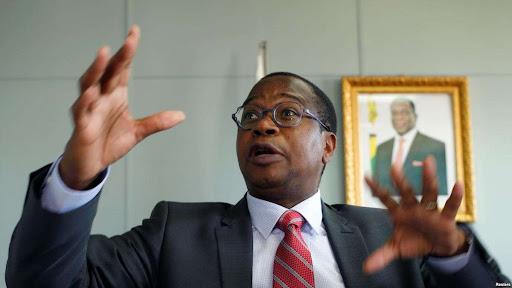
The Government has confirmed that civil servants and traditional chiefs will receive their annual bonuses for 2026, despite mounting pressure from Parliament and workers' unions for substantial salary increases to cushion public sector employees against the rising cost of living.
Finance, Economic Development and Investment Promotion Minister Professor Mthuli Ncube made the announcement following the conclusion of the four-day 2027 Pre-Budget Seminar in Bulawayo.
Ncube assured Government employees that Treasury would honour its commitment to paying annual bonuses, maintaining that the Second Republic had consistently fulfilled this obligation since assuming office in 2018.
"We are going to pay bonuses to civil servants as is the case. As you know, in the Second Republic we've never missed the payment of bonuses for civil servants. We thank them from the heart for their hard work. We will be paying bonuses," he said.
The minister also confirmed that traditional chiefs would once again receive bonuses, following their inclusion in the payments for the first time since independence last year.
"You recall last year we went as far as paying bonuses even for our traditional chiefs, which has never happened since independence in 1980. We also recognise the good work that they do," Ncube said.
The announcement comes amid growing demands for a comprehensive review of civil servants' salaries, with legislators arguing that public sector workers have suffered a significant erosion of purchasing power over the years.
During the pre-budget consultations, Members of Parliament and senators called on Treasury to restore salaries to their pre-October 2018 levels, when the lowest-paid Government employee reportedly earned the equivalent of approximately US$540 per month.
Lawmakers argued that current remuneration levels were inadequate to meet basic household expenses and should be aligned with regional standards.
The Senate has already adopted a motion urging the Government to consider a 50 percent salary increase and prioritise the payment of a living wage above the poverty datum line.
Civil servants' unions have also petitioned Parliament, demanding salaries indexed to the United States dollar to protect workers against currency fluctuations and inflation.
However, Ncube stopped short of announcing any salary adjustment, insisting that Government expenditure would remain guided by available financial resources.
He reiterated Treasury's cash-budgeting approach, commonly described as "we eat what we kill", under which Government spending is restricted to available revenue.
The minister said the proposed 2027 National Budget would operate within a ZiG347 billion expenditure ceiling, reflecting the administration's commitment to fiscal discipline.
Despite the financial constraints, Ncube maintained that improving civil servants' welfare remained a Government priority as Zimbabwe pursued its Vision 2030 economic development objectives.
He said the country's progress towards single-digit inflation would help preserve workers' purchasing power, allowing future nominal salary increases to translate into real improvements in earnings.
However, workers' representatives and legislators continue to argue that inflation stability alone cannot compensate for years of declining real wages.
The confirmation of annual bonuses is expected to provide some financial relief to civil servants and traditional leaders ahead of the festive season, although questions remain over the timing and value of the payments.
Attention will now turn to the 2027 National Budget, which Ncube is scheduled to present on November 19, amid expectations that Treasury will outline measures to address public sector remuneration and the rising cost of living.
Finance, Economic Development and Investment Promotion Minister Professor Mthuli Ncube made the announcement following the conclusion of the four-day 2027 Pre-Budget Seminar in Bulawayo.
Ncube assured Government employees that Treasury would honour its commitment to paying annual bonuses, maintaining that the Second Republic had consistently fulfilled this obligation since assuming office in 2018.
"We are going to pay bonuses to civil servants as is the case. As you know, in the Second Republic we've never missed the payment of bonuses for civil servants. We thank them from the heart for their hard work. We will be paying bonuses," he said.
The minister also confirmed that traditional chiefs would once again receive bonuses, following their inclusion in the payments for the first time since independence last year.
"You recall last year we went as far as paying bonuses even for our traditional chiefs, which has never happened since independence in 1980. We also recognise the good work that they do," Ncube said.
The announcement comes amid growing demands for a comprehensive review of civil servants' salaries, with legislators arguing that public sector workers have suffered a significant erosion of purchasing power over the years.
During the pre-budget consultations, Members of Parliament and senators called on Treasury to restore salaries to their pre-October 2018 levels, when the lowest-paid Government employee reportedly earned the equivalent of approximately US$540 per month.
Lawmakers argued that current remuneration levels were inadequate to meet basic household expenses and should be aligned with regional standards.
Civil servants' unions have also petitioned Parliament, demanding salaries indexed to the United States dollar to protect workers against currency fluctuations and inflation.
However, Ncube stopped short of announcing any salary adjustment, insisting that Government expenditure would remain guided by available financial resources.
He reiterated Treasury's cash-budgeting approach, commonly described as "we eat what we kill", under which Government spending is restricted to available revenue.
The minister said the proposed 2027 National Budget would operate within a ZiG347 billion expenditure ceiling, reflecting the administration's commitment to fiscal discipline.
Despite the financial constraints, Ncube maintained that improving civil servants' welfare remained a Government priority as Zimbabwe pursued its Vision 2030 economic development objectives.
He said the country's progress towards single-digit inflation would help preserve workers' purchasing power, allowing future nominal salary increases to translate into real improvements in earnings.
However, workers' representatives and legislators continue to argue that inflation stability alone cannot compensate for years of declining real wages.
The confirmation of annual bonuses is expected to provide some financial relief to civil servants and traditional leaders ahead of the festive season, although questions remain over the timing and value of the payments.
Attention will now turn to the 2027 National Budget, which Ncube is scheduled to present on November 19, amid expectations that Treasury will outline measures to address public sector remuneration and the rising cost of living.
Source - New Ziana
Join the discussion
Loading comments…