Nine Zimbabweans' court test to expose SA, Zimbabwe anti-trafficking resolve
PRETORIA - The upcoming court appearance of nine Zimbabwean nationals arrested in South Africa over alleged foreign military recruitment is expected to become a major test of the commitment by both Zimbabwean and South African authorities to combat human trafficking, smuggling and unlawful recruitment networks.
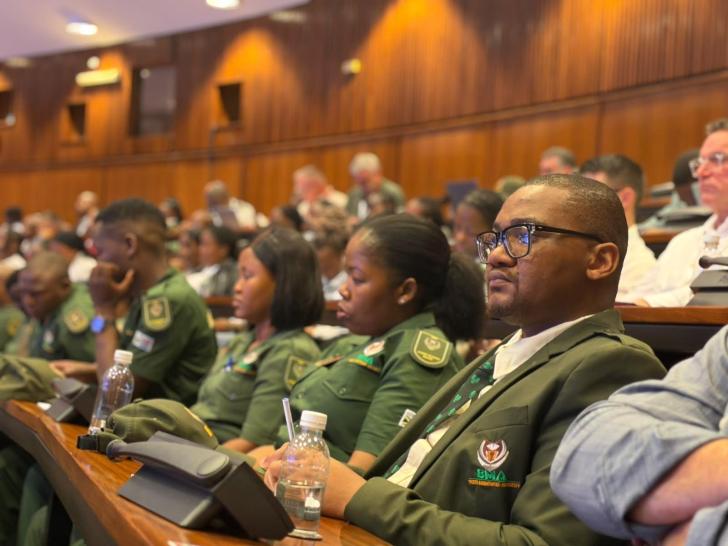
The case has emerged as delegates at South Africa's 3rd Annual Border Management Conference and Expo debate strategies to tackle cross-border crime, human trafficking and criminal syndicates operating across the region.
The nine Zimbabweans were arrested in Gauteng in separate operations at OR Tambo International Airport and a hotel in Bruma, Johannesburg.
According to South Africa's National Prosecuting Authority (NPA), five suspects appeared before the Kempton Park Magistrates' Court and face charges under South Africa's Regulation of Foreign Military Assistance Act 15 of 1998. National Prosecuting Authority Johannesburg Division spokesperson Magaboke Mohlatlole confirmed that four of the accused did not apply for bail, while a fifth indicated an intention to submit a bail application.
"The case was postponed to 24 November 2026 for possible plea and sentence negotiation in terms of Section 105A of the Criminal Procedure Act," Mohlatlole said.
The remaining four suspects arrested in Bruma are expected to appear before the Johannesburg Magistrates' Court.
Authorities are reportedly investigating who recruited the men, who financed their travel arrangements and whether South Africa is being used as a transit route for recruitment into foreign military conflicts.
The arrests come as concerns continue to grow over reports that vulnerable Africans are being lured with promises of employment, security work or training opportunities, only to find themselves caught up in foreign conflicts.
When asked about broader measures being taken to combat trafficking and recruitment networks, representatives of South Africa's Department of International Relations and Cooperation declined to discuss operational strategies, saying the matter falls under the jurisdiction of law enforcement agencies and prosecutors.
The issue has generated renewed debate over the recruitment of Africans into foreign conflicts, particularly the Russia-Ukraine war.
Zimbabwean government spokesperson Nick Mangwana has previously argued that recruitment activities are linked to criminal networks and private contractors rather than the Russian state itself.
"This matter has nothing to do with the Russian Federation as a State, but rather with criminal gangs and military contractors who prey on vulnerable individuals," Mangwana said.
He also maintained that some recruits transit through neighbouring countries to avoid scrutiny at home.
"Zimbabwe does not account for what happens in other sovereign jurisdictions, which must apply their own laws on dealing with criminal justice matters," he said.
At the Border Management Conference, Border Management Authority Commissioner Dr Michael Masiapato said cases involving human trafficking and unlawful recruitment demonstrate the growing importance of coordinated border management and regional cooperation.
"Secure borders are not a barrier to development. They are a foundation for it. When criminal networks can move people across borders for exploitation and war, no country is safe," said Masiapato.
Delegates attending the conference, including government officials, border authorities, academics and security experts, are discussing measures to strengthen intelligence-sharing, digital border systems and coordinated responses to transnational crime.
Analysts say the arrests have highlighted the challenges posed by increasingly sophisticated trafficking and smuggling syndicates that exploit economic hardship and migration pressures.
The accused remain innocent until proven guilty and the allegations against them have not yet been tested in court.
However, observers say the proceedings could provide important insights into how both South Africa and Zimbabwe intend to address allegations of human trafficking, cross-border recruitment and the exploitation of vulnerable job seekers.