News / National
IMF, World Bank forced Mnangagwa to clip Tagwirei’s powers
13 mins ago |
10 Views
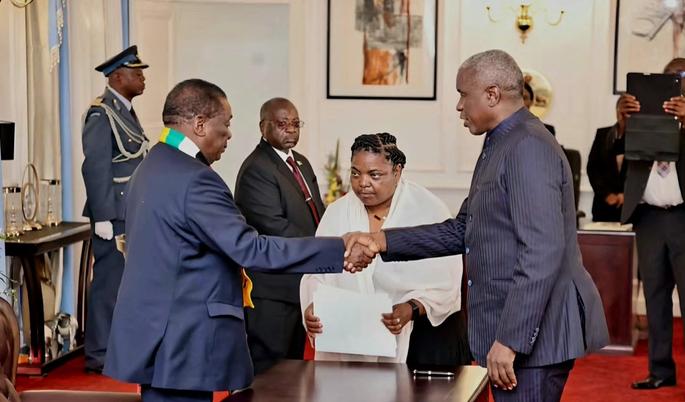
PRESIDENT Emmerson Mnangagwa reportedly stripped billionaire businessman Kudakwashe Tagwirei of several proposed ministerial functions following concerns raised by senior International Monetary Fund (IMF) and World Bank officials over his appointment as Zimbabwe's Economic Development and Investment Promotion minister.
According to a report by The NewsHawks, officials from the Bretton Woods institutions expressed reservations about Zimbabwe appointing a businessman under United States and United Kingdom sanctions to spearhead its economic development and investment promotion agenda.
The concerns were reportedly communicated to Zimbabwe's delegation during the 2026 IMF and World Bank Annual Meetings held in Bangkok, Thailand, from October 12 to 18.
Mnangagwa appointed Tagwirei on October 8, with the businessman being sworn into office on October 12, the same day the international financial meetings commenced.
Finance Minister Mthuli Ncube led Zimbabwe's delegation to Bangkok, where the country sought international support for its debt resolution, arrears clearance and economic re-engagement programme.
However, according to The NewsHawks, Tagwirei's appointment became a contentious issue during discussions with international financial institutions.
An official who attended the meetings told The NewsHawks that representatives of the IMF and World Bank demanded clarification over Tagwirei's appointment before substantive engagements could proceed.
"When the Zimbabwean delegation arrived in Bangkok for the IMF and World Bank annual meetings recently, the Bretton Woods institutions delegations made it very clear that before any discussions, Harare must clarify the issue of Tagwirei," the official said.
"They wanted to know how a businessman on American and British sanctions could be put and fronted as Zimbabwe’s economic development and investment promotion face or ambassador."
Tagwirei remains subject to US and British sanctions imposed over allegations of corruption and controversial financial dealings.
According to the unnamed official, international lenders feared that his appointment could undermine Zimbabwe's efforts to rebuild relations with the international community and attract foreign investment.
"They expressed alarm, disbelief and displeasure, saying that will take Zimbabwe backwards in terms of engagement with them, the international community and investors," the official said.
The institutions reportedly requested that their concerns be communicated directly to Mnangagwa.
The alleged representations have not been independently confirmed by the IMF or World Bank in the report.
Following the delegation's return from Bangkok, Ncube reportedly briefed Mnangagwa on the concerns raised during the meetings.
The briefing allegedly prompted significant changes to the proposed functions of Tagwirei's ministry before they were formally gazetted through a statutory instrument.
According to The NewsHawks, the Attorney-General's Office had initially drafted an extensive mandate that would have placed several strategically important economic institutions under Tagwirei's authority.
These reportedly included the Mutapa Investment Fund, Zimbabwe's sovereign wealth fund, and the Zimbabwe Investment and Development Agency (ZIDA), alongside other key economic entities.
Such responsibilities would have given Tagwirei considerable influence over State-owned investments, economic development initiatives and the country's investment promotion strategy.
However, the Office of the President and Cabinet reportedly removed most of the substantive functions contained in the original draft.
Tagwirei was consequently left with a considerably narrower portfolio, primarily covering market competition and national statistics through the Zimbabwe National Statistics Agency (ZimStat).
The reported changes effectively curtailed the extensive economic powers that had initially been proposed for the businessman.
The controversy comes at a sensitive time for Zimbabwe, which is seeking to normalise relations with international financial institutions and resolve its longstanding debt crisis.
During the Bangkok meetings, Ncube held discussions with senior international financial officials, including World Bank Eastern and Southern Africa Vice-President Ndiame Diop, IMF Africa Group 1 Executive Director Adriano Ubisse and IMF African Department Director Zeine Zeidane.
The Zimbabwean delegation also participated in a dedicated roundtable focusing on arrears clearance and investment.
Harare sought support for a two-phase debt resolution strategy involving the successful completion of a 10-month IMF Staff-Monitored Programme launched on March 1, 2026.
The roadmap also envisages raising approximately US$2.7 billion to clear arrears owed to major international lenders, followed by a funded IMF programme and bilateral debt restructuring.
Zimbabwe's total public debt is estimated at US$23.4 billion, with external arrears ranging between US$7.4 billion and US$7.7 billion.
Ncube reportedly highlighted improvements in Zimbabwe's economic performance, including an 8.3 percent economic rebound in 2025 following the previous year's drought and a decline in ZiG inflation to 3.7 percent.
Economic growth is projected at five percent in 2026 before moderating to 3.5 percent in 2027 amid anticipated El Niño-related risks.
According to the report, international financial officials acknowledged Zimbabwe's economic progress but expressed concern that Tagwirei's appointment could complicate its re-engagement efforts.
Neither Mnangagwa's office nor Tagwirei's ministry was quoted responding to the reported intervention by the international lenders.
The reported reduction of Tagwirei's ministerial responsibilities highlights the potential tension between Zimbabwe's domestic political appointments and its efforts to restore international financial relations, secure debt relief and attract foreign investment.
According to a report by The NewsHawks, officials from the Bretton Woods institutions expressed reservations about Zimbabwe appointing a businessman under United States and United Kingdom sanctions to spearhead its economic development and investment promotion agenda.
The concerns were reportedly communicated to Zimbabwe's delegation during the 2026 IMF and World Bank Annual Meetings held in Bangkok, Thailand, from October 12 to 18.
Mnangagwa appointed Tagwirei on October 8, with the businessman being sworn into office on October 12, the same day the international financial meetings commenced.
Finance Minister Mthuli Ncube led Zimbabwe's delegation to Bangkok, where the country sought international support for its debt resolution, arrears clearance and economic re-engagement programme.
However, according to The NewsHawks, Tagwirei's appointment became a contentious issue during discussions with international financial institutions.
An official who attended the meetings told The NewsHawks that representatives of the IMF and World Bank demanded clarification over Tagwirei's appointment before substantive engagements could proceed.
"When the Zimbabwean delegation arrived in Bangkok for the IMF and World Bank annual meetings recently, the Bretton Woods institutions delegations made it very clear that before any discussions, Harare must clarify the issue of Tagwirei," the official said.
"They wanted to know how a businessman on American and British sanctions could be put and fronted as Zimbabwe’s economic development and investment promotion face or ambassador."
Tagwirei remains subject to US and British sanctions imposed over allegations of corruption and controversial financial dealings.
According to the unnamed official, international lenders feared that his appointment could undermine Zimbabwe's efforts to rebuild relations with the international community and attract foreign investment.
"They expressed alarm, disbelief and displeasure, saying that will take Zimbabwe backwards in terms of engagement with them, the international community and investors," the official said.
The institutions reportedly requested that their concerns be communicated directly to Mnangagwa.
The alleged representations have not been independently confirmed by the IMF or World Bank in the report.
Following the delegation's return from Bangkok, Ncube reportedly briefed Mnangagwa on the concerns raised during the meetings.
The briefing allegedly prompted significant changes to the proposed functions of Tagwirei's ministry before they were formally gazetted through a statutory instrument.
These reportedly included the Mutapa Investment Fund, Zimbabwe's sovereign wealth fund, and the Zimbabwe Investment and Development Agency (ZIDA), alongside other key economic entities.
Such responsibilities would have given Tagwirei considerable influence over State-owned investments, economic development initiatives and the country's investment promotion strategy.
However, the Office of the President and Cabinet reportedly removed most of the substantive functions contained in the original draft.
Tagwirei was consequently left with a considerably narrower portfolio, primarily covering market competition and national statistics through the Zimbabwe National Statistics Agency (ZimStat).
The reported changes effectively curtailed the extensive economic powers that had initially been proposed for the businessman.
The controversy comes at a sensitive time for Zimbabwe, which is seeking to normalise relations with international financial institutions and resolve its longstanding debt crisis.
During the Bangkok meetings, Ncube held discussions with senior international financial officials, including World Bank Eastern and Southern Africa Vice-President Ndiame Diop, IMF Africa Group 1 Executive Director Adriano Ubisse and IMF African Department Director Zeine Zeidane.
The Zimbabwean delegation also participated in a dedicated roundtable focusing on arrears clearance and investment.
Harare sought support for a two-phase debt resolution strategy involving the successful completion of a 10-month IMF Staff-Monitored Programme launched on March 1, 2026.
The roadmap also envisages raising approximately US$2.7 billion to clear arrears owed to major international lenders, followed by a funded IMF programme and bilateral debt restructuring.
Zimbabwe's total public debt is estimated at US$23.4 billion, with external arrears ranging between US$7.4 billion and US$7.7 billion.
Ncube reportedly highlighted improvements in Zimbabwe's economic performance, including an 8.3 percent economic rebound in 2025 following the previous year's drought and a decline in ZiG inflation to 3.7 percent.
Economic growth is projected at five percent in 2026 before moderating to 3.5 percent in 2027 amid anticipated El Niño-related risks.
According to the report, international financial officials acknowledged Zimbabwe's economic progress but expressed concern that Tagwirei's appointment could complicate its re-engagement efforts.
Neither Mnangagwa's office nor Tagwirei's ministry was quoted responding to the reported intervention by the international lenders.
The reported reduction of Tagwirei's ministerial responsibilities highlights the potential tension between Zimbabwe's domestic political appointments and its efforts to restore international financial relations, secure debt relief and attract foreign investment.
Source - online
Join the discussion
Loading comments…