News / National
Zimbabwe ranked Africa's 14th-largest economy
18 hrs ago |
262 Views
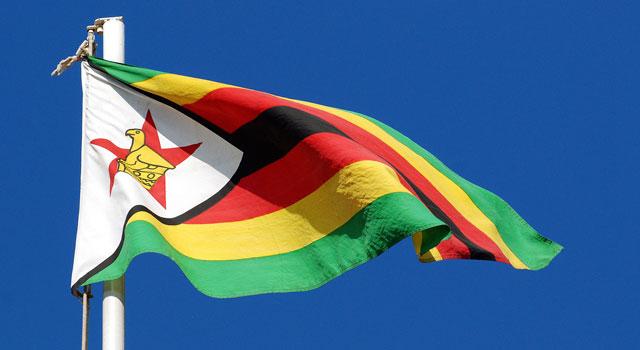
Zimbabwe is expected to emerge as Africa's 14th-largest economy in 2026, with its Gross Domestic Product (GDP) projected to reach US$65.92 billion, according to the International Monetary Fund's latest economic estimates.
The projections, contained in the IMF's October 2026 World Economic Outlook, place Zimbabwe among the continent's 15 biggest economies, ahead of Cameroon and Tunisia.
Cameroon's economy is projected at US$64.81 billion, while Tunisia is expected to record a GDP of US$62.74 billion.
The figures suggest that Zimbabwe continues to hold a significant position in Africa's economic landscape despite longstanding challenges affecting production, investment and monetary stability.
South Africa retains its position as the continent's largest economy, with a projected GDP of US$489.08 billion.
Egypt follows in second place with an estimated US$442.89 billion, while Nigeria occupies third position with US$386.67 billion.
Zimbabwe's projected GDP of US$65.92 billion places it considerably behind Africa's three largest economies but ahead of several established markets on the continent.
The IMF also expects Zimbabwe's economy to expand by approximately five percent in 2026, reflecting projected growth in economic activity.
However, the continental rankings are based on nominal GDP, which measures the total value of goods and services produced within a country at current market prices and converts that value into United States dollars.
Unlike real GDP, which adjusts for inflation, nominal GDP can be significantly influenced by changes in domestic prices and exchange rates.
As a result, a country's position in the rankings does not necessarily indicate improvements in household incomes, employment opportunities or living standards.
Economists generally consider other indicators, including real economic growth, GDP per capita, productivity and inflation, when assessing the broader health of an economy.
For Zimbabwe, maintaining economic growth will depend on continued investment in productive sectors, infrastructure development and policies that support business activity.
The country has been seeking to strengthen its position as a regional trade and investment destination while promoting closer economic cooperation with neighbouring states.
Speaking at the 19th Common Market for Eastern and Southern Africa (COMESA) Business Forum held at the Harare International Conference Centre on October 20, President Emmerson Mnangagwa called for stronger partnerships among member countries.
He emphasised the importance of expanding regional trade, attracting investment and increasing production to unlock economic opportunities across the region.
The President's remarks highlighted the Government's focus on regional economic integration as a means of strengthening industrial development and promoting sustainable growth.
Zimbabwe's projected position among Africa's largest economies provides a measure of its economic size, but the country's longer-term performance will depend on its ability to translate that economic activity into sustained improvements in productivity, employment and household welfare.
The IMF figures remain projections, with final economic outcomes subject to changes in domestic and international economic conditions.
Source - ZBC
Join the discussion
Loading comments…