Opinion / Columnist
Justice with a human face: Tribunal brings justice with a human face
1 hr ago |
82 Views
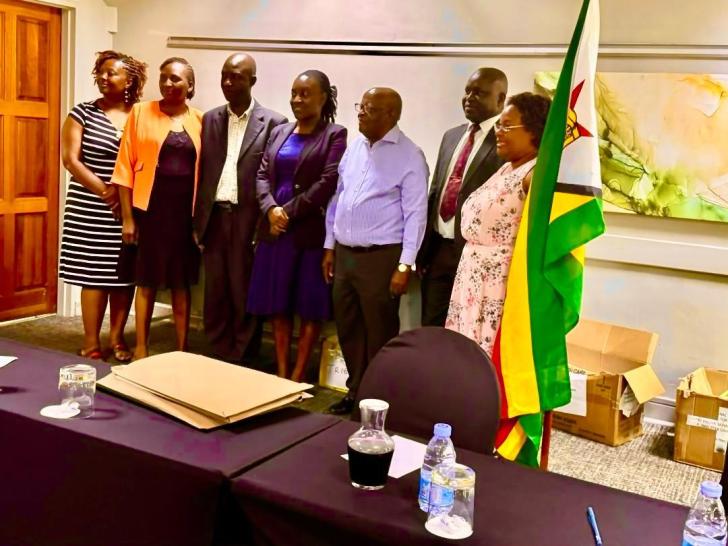
In the silent, cold corridors of Chikurubi Maximum Security Prison and Mlondolozi Female Prison, where hope often goes to die, a ray of profound humanity shone brightly from 2 to 5 November 2026. In a remarkable display of justice tempered with mercy, the Mental Health Review Tribunal sat and reviewed a staggering 166 criminal cases involving some of the most forgotten members of our society.
This was not just a routine exercise. It was an act of constitutional restoration. It was justice wearing a human face.
For years, these 166 souls — accused of offences ranging from assault, indecent assault, malicious damage to property, rape and even murder — have languished in the shadows between the criminal justice system and the mental health system. They are not hardened criminals. They are patients. They are mothers, fathers, sons and daughters whose minds betrayed them, whose illness led them into conflict with the law.
What this exceptional Tribunal did was to remind Zimbabwe that even behind prison walls, dignity still matters.
A TRIBUNAL THAT SAFEGUARDS THE CONSTITUTION
The Mental Health Review Tribunal, sitting under the Mental Health Act [Chapter 15:12], does not convict or sentence. Its mandate is nobler. It sits to consider expert recommendations from the Mental Health Board, to assess whether a person detained as a mentally disordered offender has recovered, whether they are fit to stand trial, and whether continued detention is still justified.
In those four days, case by case, file by file, the Tribunal meticulously examined the mental health needs, legal circumstances and welfare of each of the 166 individuals. Its work was clinical, compassionate and courageous.
For those found to have recovered and now fit to stand trial, the law will now take its proper course — with a fair trial. For many others, who have fully recovered and no longer pose a risk, the Tribunal has recommended discharge — to be released into the loving custody of their relatives or transferred to mental health institutions for final rehabilitation before community integration.
The effect of this single exercise is monumental:
1. It restores human rights. It safeguards the rights and dignity of persons with mental disabilities, as enshrined in Section 81 and 83 of our Constitution.
2. It decongested our prisons. By discharging those who no longer need to be in a maximum-security prison, the Tribunal has directly reduced the chronic overcrowding in Chikurubi and Mlondolozi, saving the State millions and easing pressure on the Zimbabwe Prisons and Correctional Service.
3. It restores efficiency in justice. It unclogs the criminal justice system by ensuring only those fit to stand trial face trial.
This is the highest form of collaboration — mental health professionals, psychiatrists, legal experts, correctional officers and social workers — working as one team for the voiceless.
UNSUNG HEROES WHO DESERVE NATIONAL HONOUR
This Tribunal team, working quietly and without fanfare, deserves the highest praise of the nation. In a country where mental health is often stigmatised, ignored and underfunded, these professionals chose to go into the prisons and look into the eyes of those society has abandoned.
Their professionalism, empathy and dedication is the very embodiment of the Second Republic's mantra of leaving no one and no place behind. They left no prisoner behind.
We salute the Chairperson and members of the Tribunal, the psychiatrists, the psychologists, the legal practitioners and the staff of ZPCS who made this possible. You have shown that Zimbabwean justice is not just about punishment, but about healing, rehabilitation and humanity.
BUT THE WORK IS THREATENED — A CRY TO GOVERNMENT AND TREASURY
Yet, behind this success story lies a painful and dangerous reality that Government and Treasury must urgently address.
The very institutions that are supposed to receive these discharged patients are collapsing.
Harare Metropolitan, home to over 2.5 million people and the catchment area for Chikurubi, is now functioning with only ONE psychiatric institution — Sally Mugabe Psychiatric Hospital — following the closure of Parirenyatwa Psychiatric Unit three years ago for renovations that have still not been completed.
And even Sally Mugabe Psychiatric Hospital itself is in urgent need of renovation. The wards are dilapidated, beds are broken, medication is scarce, and staff are overstretched.
How can we discharge patients to institutions that are themselves sick?
How can we talk about rehabilitation and community reintegration when there is nowhere to rehabilitate them?
We therefore challenge Government and the Treasury:
1. Fund the Tribunal adequately. This Tribunal should not sit once a year as an emergency exercise. It should sit quarterly, in all provinces, with proper funding for transport, allowances and logistics. Justice cannot be done on a shoestring budget.
2. Immediately release funds for Parirenyatwa Hospital Psychiatric Unit. Three years of closure is a national shame. It must be reopened.
3. Renovate Sally Mugabe Psychiatric Hospital as a matter of urgency. Allocate a specific budget in the 2027 National Budget for psychiatric infrastructure. Mental health is health.
4. Support community reintegration. Provide social welfare support for families receiving discharged patients so that they do not relapse and re-offend.
The Mental Health Review Tribunal has done its part — with excellence, with integrity, with humanity. It has shown us what is possible when professionals are given a chance to serve.
Now, let Treasury do its part. Let Government do its part.
Let us not allow these 166 lives to be returned to the streets with nowhere to go. Let us build a mental health system that is as compassionate as the Tribunal that serves it.
The nation applauds you, Members of the Tribunal. You have restored not just 166 lives, but the conscience of our justice system.
This was not just a routine exercise. It was an act of constitutional restoration. It was justice wearing a human face.
For years, these 166 souls — accused of offences ranging from assault, indecent assault, malicious damage to property, rape and even murder — have languished in the shadows between the criminal justice system and the mental health system. They are not hardened criminals. They are patients. They are mothers, fathers, sons and daughters whose minds betrayed them, whose illness led them into conflict with the law.
What this exceptional Tribunal did was to remind Zimbabwe that even behind prison walls, dignity still matters.
A TRIBUNAL THAT SAFEGUARDS THE CONSTITUTION
The Mental Health Review Tribunal, sitting under the Mental Health Act [Chapter 15:12], does not convict or sentence. Its mandate is nobler. It sits to consider expert recommendations from the Mental Health Board, to assess whether a person detained as a mentally disordered offender has recovered, whether they are fit to stand trial, and whether continued detention is still justified.
In those four days, case by case, file by file, the Tribunal meticulously examined the mental health needs, legal circumstances and welfare of each of the 166 individuals. Its work was clinical, compassionate and courageous.
For those found to have recovered and now fit to stand trial, the law will now take its proper course — with a fair trial. For many others, who have fully recovered and no longer pose a risk, the Tribunal has recommended discharge — to be released into the loving custody of their relatives or transferred to mental health institutions for final rehabilitation before community integration.
The effect of this single exercise is monumental:
1. It restores human rights. It safeguards the rights and dignity of persons with mental disabilities, as enshrined in Section 81 and 83 of our Constitution.
2. It decongested our prisons. By discharging those who no longer need to be in a maximum-security prison, the Tribunal has directly reduced the chronic overcrowding in Chikurubi and Mlondolozi, saving the State millions and easing pressure on the Zimbabwe Prisons and Correctional Service.
3. It restores efficiency in justice. It unclogs the criminal justice system by ensuring only those fit to stand trial face trial.
This is the highest form of collaboration — mental health professionals, psychiatrists, legal experts, correctional officers and social workers — working as one team for the voiceless.
UNSUNG HEROES WHO DESERVE NATIONAL HONOUR
This Tribunal team, working quietly and without fanfare, deserves the highest praise of the nation. In a country where mental health is often stigmatised, ignored and underfunded, these professionals chose to go into the prisons and look into the eyes of those society has abandoned.
Their professionalism, empathy and dedication is the very embodiment of the Second Republic's mantra of leaving no one and no place behind. They left no prisoner behind.
We salute the Chairperson and members of the Tribunal, the psychiatrists, the psychologists, the legal practitioners and the staff of ZPCS who made this possible. You have shown that Zimbabwean justice is not just about punishment, but about healing, rehabilitation and humanity.
Yet, behind this success story lies a painful and dangerous reality that Government and Treasury must urgently address.
The very institutions that are supposed to receive these discharged patients are collapsing.
Harare Metropolitan, home to over 2.5 million people and the catchment area for Chikurubi, is now functioning with only ONE psychiatric institution — Sally Mugabe Psychiatric Hospital — following the closure of Parirenyatwa Psychiatric Unit three years ago for renovations that have still not been completed.
And even Sally Mugabe Psychiatric Hospital itself is in urgent need of renovation. The wards are dilapidated, beds are broken, medication is scarce, and staff are overstretched.
How can we discharge patients to institutions that are themselves sick?
How can we talk about rehabilitation and community reintegration when there is nowhere to rehabilitate them?
We therefore challenge Government and the Treasury:
1. Fund the Tribunal adequately. This Tribunal should not sit once a year as an emergency exercise. It should sit quarterly, in all provinces, with proper funding for transport, allowances and logistics. Justice cannot be done on a shoestring budget.
2. Immediately release funds for Parirenyatwa Hospital Psychiatric Unit. Three years of closure is a national shame. It must be reopened.
3. Renovate Sally Mugabe Psychiatric Hospital as a matter of urgency. Allocate a specific budget in the 2027 National Budget for psychiatric infrastructure. Mental health is health.
4. Support community reintegration. Provide social welfare support for families receiving discharged patients so that they do not relapse and re-offend.
The Mental Health Review Tribunal has done its part — with excellence, with integrity, with humanity. It has shown us what is possible when professionals are given a chance to serve.
Now, let Treasury do its part. Let Government do its part.
Let us not allow these 166 lives to be returned to the streets with nowhere to go. Let us build a mental health system that is as compassionate as the Tribunal that serves it.
The nation applauds you, Members of the Tribunal. You have restored not just 166 lives, but the conscience of our justice system.
Source - Dr Masimba Mavaza
All articles and letters published on Bulawayo24 have been independently written by members of Bulawayo24's community. The views of users published on Bulawayo24 are therefore their own and do not necessarily represent the views of Bulawayo24. Bulawayo24 editors also reserve the right to edit or delete any and all comments received.
Join the discussion
Loading comments…





