News / National
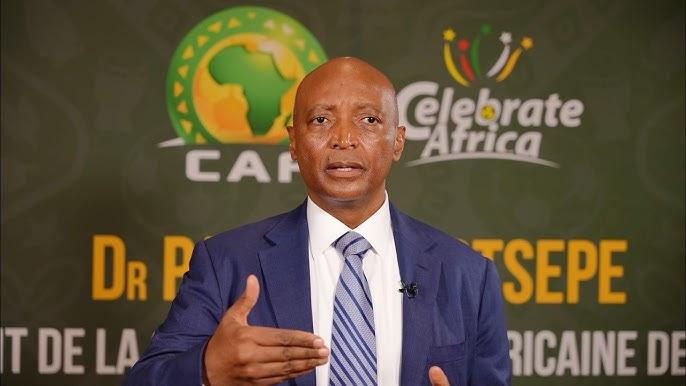
Motsepe's CAF facing serious credibility test
25 Mar 2026 at 12:40hrs |
0 Views
The 2025 Africa Cup of Nations (AFCON) final between Senegal and Morocco has descended into one of the most controversial episodes in African football history after governing body CAF overturned the result months after the tournament ended.
The original final, which saw Senegal defeat Morocco in extra time through a decisive goal by Pape Gueye, followed a chaotic match that included a missed penalty by Morocco and a brief Senegalese walkout. Despite the disruption, the match was completed and a winner was determined on the pitch.
However, in a dramatic post-tournament ruling, the Confederation of African Football (Confederation of African Football) has now stripped Senegal of the title and awarded Morocco a 3-0 victory, citing regulatory breaches linked to the temporary walkout. CAF's Appeals Committee based its decision on competition rules that penalise teams for abandoning matches without authorisation.
The ruling has sparked outrage and disbelief across the footballing world, particularly because the match was concluded and a result had already been recorded. Critics argue that overturning a completed final undermines the fundamental principle that football results should be decided on the field.
The Senegalese government has described the decision as “unprecedented and exceptionally serious,” accusing CAF of a flawed interpretation of its own regulations and calling for an independent international investigation. The Senegalese Football Federation has confirmed it will challenge the ruling at the Court of Arbitration for Sport (CAS), setting the stage for a prolonged legal battle that could take up to a year.
The controversy has triggered wider concerns about governance within African football. Former officials and coaches have condemned the decision, warning that it sets a dangerous precedent and risks damaging the credibility of the sport. Some argue that allowing results to be altered after full-time opens the door to increased legal disputes in future tournaments.
Beyond the sporting fallout, the decision carries major financial implications. Prize money, sponsorship agreements, and broadcast rights tied to the tournament are now in question, with stakeholders facing uncertainty over how the outcome will be enforced commercially.
The controversy also threatens to impact CAF's broader ambitions to grow AFCON into a globally competitive football product. Analysts warn that consistency, transparency, and trust are essential to maintaining sponsor confidence, and that this ruling could undermine the tournament's reputation if left unresolved.
As the legal process unfolds, the AFCON 2025 saga has shifted from a footballing triumph to a governance crisis, raising serious questions about the balance between regulatory enforcement and the integrity of the game.
The original final, which saw Senegal defeat Morocco in extra time through a decisive goal by Pape Gueye, followed a chaotic match that included a missed penalty by Morocco and a brief Senegalese walkout. Despite the disruption, the match was completed and a winner was determined on the pitch.
However, in a dramatic post-tournament ruling, the Confederation of African Football (Confederation of African Football) has now stripped Senegal of the title and awarded Morocco a 3-0 victory, citing regulatory breaches linked to the temporary walkout. CAF's Appeals Committee based its decision on competition rules that penalise teams for abandoning matches without authorisation.
The ruling has sparked outrage and disbelief across the footballing world, particularly because the match was concluded and a result had already been recorded. Critics argue that overturning a completed final undermines the fundamental principle that football results should be decided on the field.
The controversy has triggered wider concerns about governance within African football. Former officials and coaches have condemned the decision, warning that it sets a dangerous precedent and risks damaging the credibility of the sport. Some argue that allowing results to be altered after full-time opens the door to increased legal disputes in future tournaments.
Beyond the sporting fallout, the decision carries major financial implications. Prize money, sponsorship agreements, and broadcast rights tied to the tournament are now in question, with stakeholders facing uncertainty over how the outcome will be enforced commercially.
The controversy also threatens to impact CAF's broader ambitions to grow AFCON into a globally competitive football product. Analysts warn that consistency, transparency, and trust are essential to maintaining sponsor confidence, and that this ruling could undermine the tournament's reputation if left unresolved.
As the legal process unfolds, the AFCON 2025 saga has shifted from a footballing triumph to a governance crisis, raising serious questions about the balance between regulatory enforcement and the integrity of the game.
Source - online
Join the discussion
Loading comments…



