News / National
Zulu king visit revives Ndebele monarchy debate
19 Jul 2026 at 13:34hrs |
0 Views
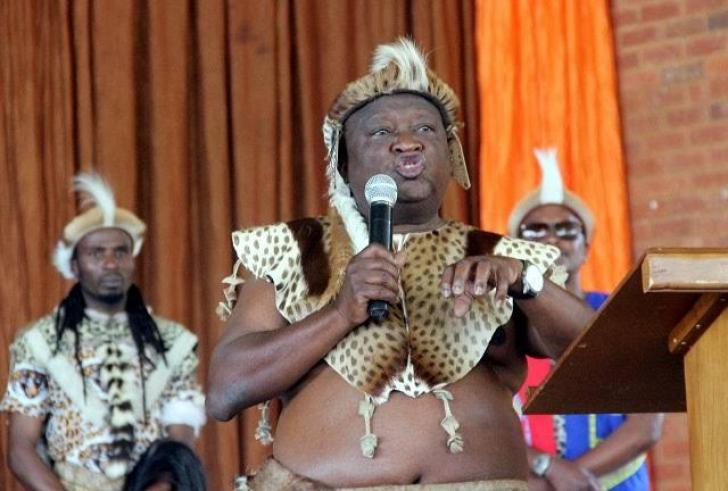
President Emmerson Mnangagwa's recent meeting with Zulu monarch King Misuzulu kaZwelithini has reignited debate over the long-running question of the restoration of the Ndebele monarchy in Zimbabwe, with traditional leaders, cultural organisations and political figures offering contrasting views on the significance of the engagement.
King Misuzulu met Mnangagwa in Harare last week during a visit that also included AmaMpondo King Ndamase Ndamase.
The meeting has prompted renewed discussion about the status of traditional monarchies in Zimbabwe, particularly calls from some groups for the recognition of the Ndebele kingship.
Bornman Khumalo, spokesperson for King Bulelani Lobengula Khumalo, welcomed the meeting, describing it as a positive development that could eventually lead to dialogue between the government and those advocating for the restoration of the Ndebele monarchy.
"Little by little the government will realise that they can't ignore the resuscitation of our monarch; they will eventually engage, they are just buying time," Khumalo said.
"This kingship is not here to replace the government but it is coming to complement it in uplifting the lives of our people, so there is no reason to look at each other as enemies."
He also said he would welcome a future visit by King Misuzulu to Bulawayo.
However, Ibhetshu LikaZulu secretary-general Mbuso Fuzwayo dismissed the significance of the meeting, arguing that the government had yet to address calls for recognition of the Ndebele monarchy within Zimbabwe.
"It is just a political stunt. If the government of Zimbabwe is sincere about issues of the kingdom, they should have acknowledged that a certain part of the country was under a king that they don't want to acknowledge," Fuzwayo said.
He added that discussions involving issues affecting Matabeleland should include representatives from the region.
A Bulawayo-based political analyst said the meeting should also be viewed in the context of South Africa's constitutional recognition of traditional monarchies.
"It is important to note that the South African Constitution recognises monarchies, and the meeting came in the context of the immigration crisis," the analyst said.
"Kings are influential in South Africa, and meeting them must be read in that context."
The analyst also noted the historical and cultural ties between the Zulu and Ndebele peoples, suggesting that the visit was likely to generate varying interpretations.
Mthwakazi Republic Party president Mqondisi Moyo criticised the engagement, saying it highlighted what he viewed as inconsistencies in the government's approach to traditional leadership.
He argued that while Zimbabwe was prepared to engage monarchs from neighbouring countries, domestic calls for recognition of the Ndebele monarchy remained unresolved.
Prince Peter Zwide Khumalo urged caution against speculation over the discussions between Mnangagwa and King Misuzulu, saying the Ndebele royal family had not been briefed on the purpose or content of the visit.
"The starting reaction is that the Ndebele nation is uninformed about His Majesty's visit to Zimbabwe except what we have come across on social media. We thus cannot confirm the content of their discussions," he said.
Prince Peter nevertheless described the visit as a positive development that reflected the growing importance of culture and traditional leadership in contemporary African societies.
The question of restoring the Ndebele monarchy has remained unresolved for decades. Supporters argue that it represents an important cultural institution linked to the legacy of King Mzilikazi and King Lobengula, while the government has consistently maintained that Zimbabwe's constitutional framework does not provide for the recognition of a monarchy.
King Misuzulu met Mnangagwa in Harare last week during a visit that also included AmaMpondo King Ndamase Ndamase.
The meeting has prompted renewed discussion about the status of traditional monarchies in Zimbabwe, particularly calls from some groups for the recognition of the Ndebele kingship.
Bornman Khumalo, spokesperson for King Bulelani Lobengula Khumalo, welcomed the meeting, describing it as a positive development that could eventually lead to dialogue between the government and those advocating for the restoration of the Ndebele monarchy.
"Little by little the government will realise that they can't ignore the resuscitation of our monarch; they will eventually engage, they are just buying time," Khumalo said.
"This kingship is not here to replace the government but it is coming to complement it in uplifting the lives of our people, so there is no reason to look at each other as enemies."
He also said he would welcome a future visit by King Misuzulu to Bulawayo.
However, Ibhetshu LikaZulu secretary-general Mbuso Fuzwayo dismissed the significance of the meeting, arguing that the government had yet to address calls for recognition of the Ndebele monarchy within Zimbabwe.
"It is just a political stunt. If the government of Zimbabwe is sincere about issues of the kingdom, they should have acknowledged that a certain part of the country was under a king that they don't want to acknowledge," Fuzwayo said.
He added that discussions involving issues affecting Matabeleland should include representatives from the region.
"It is important to note that the South African Constitution recognises monarchies, and the meeting came in the context of the immigration crisis," the analyst said.
"Kings are influential in South Africa, and meeting them must be read in that context."
The analyst also noted the historical and cultural ties between the Zulu and Ndebele peoples, suggesting that the visit was likely to generate varying interpretations.
Mthwakazi Republic Party president Mqondisi Moyo criticised the engagement, saying it highlighted what he viewed as inconsistencies in the government's approach to traditional leadership.
He argued that while Zimbabwe was prepared to engage monarchs from neighbouring countries, domestic calls for recognition of the Ndebele monarchy remained unresolved.
Prince Peter Zwide Khumalo urged caution against speculation over the discussions between Mnangagwa and King Misuzulu, saying the Ndebele royal family had not been briefed on the purpose or content of the visit.
"The starting reaction is that the Ndebele nation is uninformed about His Majesty's visit to Zimbabwe except what we have come across on social media. We thus cannot confirm the content of their discussions," he said.
Prince Peter nevertheless described the visit as a positive development that reflected the growing importance of culture and traditional leadership in contemporary African societies.
The question of restoring the Ndebele monarchy has remained unresolved for decades. Supporters argue that it represents an important cultural institution linked to the legacy of King Mzilikazi and King Lobengula, while the government has consistently maintained that Zimbabwe's constitutional framework does not provide for the recognition of a monarchy.
Source - Southern Eye
Join the discussion
Loading comments…


