News / National
Chombo loses farm lease battle after ex-wife sues
22 Sep 2026 at 07:19hrs |
1326 Views
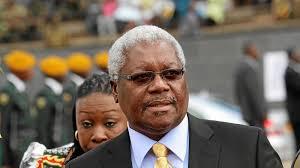
Former cabinet minister Ignatius Chombo has lost a long-running legal battle over the value of the 99-year lease to Allan Grange Farm, with the High Court ruling that his former wife, Marian Chombo, is entitled to 45 percent of the rights and benefits attached to the property.
Justice Philipa Phillips ruled that although the 3,098-hectare farm itself belongs to the State and cannot be divided as matrimonial property, the registered lease acquired during the couple's marriage constituted an asset capable of distribution under Zimbabwean matrimonial law.
Chombo had argued that the lease had little or no positive value when the couple divorced in 2012 because the farming operation was heavily burdened by debt.
The court, however, found that Marian had made substantial contributions to the farming enterprise during their marriage and was therefore entitled to a share of the value of the leasehold rights.
The court awarded Chombo 55 percent and Marian 45 percent of the value of the rights and benefits flowing from the lease.
The ruling brings to an end a dispute dating back to the couple's divorce proceedings, which began in 2009.
The couple entered into a customary marriage in 1985 before solemnising their civil marriage in May 1993. Their divorce was granted on August 31, 2012, after they reached agreement on most of their property, leaving the Allan Grange Farm lease as the major unresolved issue.
The farm, situated on the boundary of Zvimba and Mhangura, covers about 3,099 hectares and is held under a 99-year lease registered through a Notarial Deed of Lease in May 2007.
The Supreme Court previously referred the dispute back to the High Court, directing it to determine the value of the couple's rights in the farm and distribute that value equitably.
Chombo told the High Court that he had obtained the farm from the government and subsequently invested heavily in its development, including purchasing tractors, combine harvesters and centre pivots.
He said banks had financed the purchase of seeds, fuel, machinery and labour, leaving him with substantial debts to three financial institutions by the time of the divorce.
Chombo said he later assumed responsibility for the debts and repaid Reserve Bank of Zimbabwe loans in 2018.
His argument was that the farming operation had been a financial liability rather than an asset.
He told the court that the family had largely survived on benefits he received as a government minister and that the farm had not generated profits.
Chombo further estimated that about US$2.7 million would be required to rehabilitate the farm and said he was hoping to make the operation profitable through a joint venture.
Marian presented a different account of their farming history.
She told the court that both parties had applied for the farm and that she had been involved in completing the application, only to later discover that the 99-year lease had been issued solely in Chombo's name.
She said she ran the farming operations while Chombo was largely based in Harare carrying out his Cabinet duties.
According to her evidence, she managed wheat, soya and commercial maize production, as well as chicken, beef and dairy projects.
She also told the court that the farm had been an important source of income for the family and that she used money generated from its operations to pay school fees for their two children.
Phillips found Marian's evidence regarding her involvement in the farm significant.
"The defendant was involved in the farming operations from the time of the acquisition of the farm, managing crop production, dairy operations, livestock projects and the day-to-day administration of the farm whilst the plaintiff attended to his duties as a cabinet minister," the judge said.
The court found that the couple had effectively operated the farm as a partnership during their marriage, with each making different but complementary contributions.
"The parties thus operated as a farming partnership within the marriage, each contributing in different but complementary ways to the establishment and maintenance of the farming activities," Phillips said.
The judge also rejected Chombo's argument that the farm's debts automatically eliminated the value of Marian's interest.
Phillips said Chombo bore the evidential burden of establishing the extent of the liabilities and their impact on the value of the lease.
"The court would ordinarily expect financial statements, loan agreements, bank records, valuations or other documentary evidence from which the net value of the leasehold rights could be objectively assessed," she said.
The court noted that large-scale farming could involve substantial debt while simultaneously retaining underlying assets, benefits and future earning potential.
The judge also pointed to Chombo's own evidence that he expected the farm to become profitable in future.
"I, therefore, am of the view that the existence of plaintiff's liabilities does not automatically extinguish the significant value of the rights and benefits flowing from the registered lease," Phillips ruled.
The case centred on Section 7 of the Matrimonial Causes Act [Chapter 5:13], which gives the High Court power, in divorce proceedings, to divide, apportion or distribute the assets of spouses.
The law requires the court to consider the circumstances of each case, including the spouses' income-earning capacity, financial resources and obligations, the family's standard of living, the welfare of children, direct and indirect contributions, the length of the marriage and other relevant circumstances.
It also recognises non-financial contributions, including running the home and caring for the family.
The court noted that matrimonial assets are not necessarily limited to property registered in both spouses' names, meaning an asset held in one spouse's name can still be considered in the distribution of matrimonial property.
Phillips found that there was no basis to depart from the 50-50 starting position in relation to the leasehold benefits because Marian had made substantial contributions to the farming enterprise.
However, the judge took into account Chombo's post-separation responsibility for the farm's liabilities.
"Benefits come with liabilities, we take the good with the bad," Phillips said.
The court consequently reduced Marian's share by five percentage points, awarding Chombo 55 percent and Marian 45 percent.
The ruling does not give Marian 45 percent ownership of the land itself. The court expressly found that the farm belongs to the State and that what is divisible is the value of the rights and benefits arising from the registered 99-year lease.
Marian was also allowed to remain in occupation of the farmhouse, where she has lived since the 2012 divorce settlement.
The court directed that when her 45 percent portion is demarcated, it must include the farmhouse and the surrounding area.
Both parties were ordered to pay their own legal costs.
Justice Philipa Phillips ruled that although the 3,098-hectare farm itself belongs to the State and cannot be divided as matrimonial property, the registered lease acquired during the couple's marriage constituted an asset capable of distribution under Zimbabwean matrimonial law.
Chombo had argued that the lease had little or no positive value when the couple divorced in 2012 because the farming operation was heavily burdened by debt.
The court, however, found that Marian had made substantial contributions to the farming enterprise during their marriage and was therefore entitled to a share of the value of the leasehold rights.
The court awarded Chombo 55 percent and Marian 45 percent of the value of the rights and benefits flowing from the lease.
The ruling brings to an end a dispute dating back to the couple's divorce proceedings, which began in 2009.
The couple entered into a customary marriage in 1985 before solemnising their civil marriage in May 1993. Their divorce was granted on August 31, 2012, after they reached agreement on most of their property, leaving the Allan Grange Farm lease as the major unresolved issue.
The farm, situated on the boundary of Zvimba and Mhangura, covers about 3,099 hectares and is held under a 99-year lease registered through a Notarial Deed of Lease in May 2007.
The Supreme Court previously referred the dispute back to the High Court, directing it to determine the value of the couple's rights in the farm and distribute that value equitably.
Chombo told the High Court that he had obtained the farm from the government and subsequently invested heavily in its development, including purchasing tractors, combine harvesters and centre pivots.
He said banks had financed the purchase of seeds, fuel, machinery and labour, leaving him with substantial debts to three financial institutions by the time of the divorce.
Chombo said he later assumed responsibility for the debts and repaid Reserve Bank of Zimbabwe loans in 2018.
His argument was that the farming operation had been a financial liability rather than an asset.
He told the court that the family had largely survived on benefits he received as a government minister and that the farm had not generated profits.
Chombo further estimated that about US$2.7 million would be required to rehabilitate the farm and said he was hoping to make the operation profitable through a joint venture.
Marian presented a different account of their farming history.
She told the court that both parties had applied for the farm and that she had been involved in completing the application, only to later discover that the 99-year lease had been issued solely in Chombo's name.
She said she ran the farming operations while Chombo was largely based in Harare carrying out his Cabinet duties.
According to her evidence, she managed wheat, soya and commercial maize production, as well as chicken, beef and dairy projects.
She also told the court that the farm had been an important source of income for the family and that she used money generated from its operations to pay school fees for their two children.
Phillips found Marian's evidence regarding her involvement in the farm significant.
The court found that the couple had effectively operated the farm as a partnership during their marriage, with each making different but complementary contributions.
"The parties thus operated as a farming partnership within the marriage, each contributing in different but complementary ways to the establishment and maintenance of the farming activities," Phillips said.
The judge also rejected Chombo's argument that the farm's debts automatically eliminated the value of Marian's interest.
Phillips said Chombo bore the evidential burden of establishing the extent of the liabilities and their impact on the value of the lease.
"The court would ordinarily expect financial statements, loan agreements, bank records, valuations or other documentary evidence from which the net value of the leasehold rights could be objectively assessed," she said.
The court noted that large-scale farming could involve substantial debt while simultaneously retaining underlying assets, benefits and future earning potential.
The judge also pointed to Chombo's own evidence that he expected the farm to become profitable in future.
"I, therefore, am of the view that the existence of plaintiff's liabilities does not automatically extinguish the significant value of the rights and benefits flowing from the registered lease," Phillips ruled.
The case centred on Section 7 of the Matrimonial Causes Act [Chapter 5:13], which gives the High Court power, in divorce proceedings, to divide, apportion or distribute the assets of spouses.
The law requires the court to consider the circumstances of each case, including the spouses' income-earning capacity, financial resources and obligations, the family's standard of living, the welfare of children, direct and indirect contributions, the length of the marriage and other relevant circumstances.
It also recognises non-financial contributions, including running the home and caring for the family.
The court noted that matrimonial assets are not necessarily limited to property registered in both spouses' names, meaning an asset held in one spouse's name can still be considered in the distribution of matrimonial property.
Phillips found that there was no basis to depart from the 50-50 starting position in relation to the leasehold benefits because Marian had made substantial contributions to the farming enterprise.
However, the judge took into account Chombo's post-separation responsibility for the farm's liabilities.
"Benefits come with liabilities, we take the good with the bad," Phillips said.
The court consequently reduced Marian's share by five percentage points, awarding Chombo 55 percent and Marian 45 percent.
The ruling does not give Marian 45 percent ownership of the land itself. The court expressly found that the farm belongs to the State and that what is divisible is the value of the rights and benefits arising from the registered 99-year lease.
Marian was also allowed to remain in occupation of the farmhouse, where she has lived since the 2012 divorce settlement.
The court directed that when her 45 percent portion is demarcated, it must include the farmhouse and the surrounding area.
Both parties were ordered to pay their own legal costs.
Source - zimlive
Join the discussion
Loading comments…