News / National
Zimbabwe ranks 50th for visitor entry, 132nd for passport mobility
2 hrs ago |
64 Views
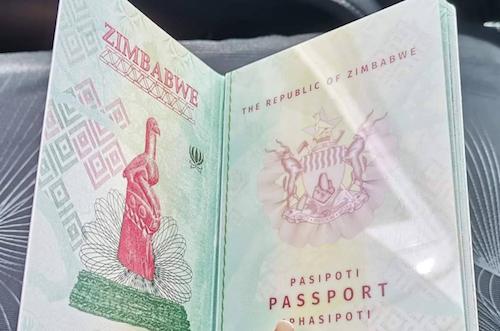
Zimbabwe is 50th among 199 countries in a ranking of entry conditions for foreign passport holders, while its own passport stands 132nd globally, according to Passport Reports, which publishes passport reports for 199 countries in 34 languages. The Zimbabwe passport ranking records a mobility score of 69 and access to 34.8% of the destinations assessed without a visa obtained in advance, through arrival-based or other simplified arrangements, or with an Electronic Travel Authorization.
Two measures, two directionsThe mobility total comprises 36 visa-free destinations, 28 destinations classified under visa on arrival or other simplified entry arrangements, and five reached through an Electronic Travel Authorization. A further 129 destinations are in the visa-required category. The underlying shares are 18.2% visa-free, 14.1% arrival-based or simplified entry, 2.5% electronic travel authorisation and 65.2% requiring a visa. Some destinations in the simplified-entry category also offer an electronic visa, so that entire category should not be read as visa on arrival alone.
The report places Zimbabwe 20th among 54 African countries and also 20th among the 54 African Union countries included in that comparison. Its global position was 123rd in the 2025 historical series and 132nd in the 2026 series; the source records a further September 20, 2026 update moving the current position from 130th to 132nd. These figures describe changes in the rankings, not their underlying causes.
African and Caribbean access exceeds the world averageGeographically, Zimbabwean passport holders have simplified access to 64.2% of African destinations in the report, compared with a global access rate of 34.8%. The corresponding share is 68.8% for the Caribbean, 43.5% for North America, 42.9% for Oceania, 30.0% for Asia and 25.0% for South America. Europe is at 2.1%, while the Gulf countries and Central Asia each show 0.0% access in the categories counted toward mobility.
Among the visa-free examples are South Africa, Botswana, Zambia and Namibia, with 90-day stays shown for each. Malaysia and Singapore appear as visa-free destinations accompanied by arrival-card procedures and stays of 30 days. Suriname is shown with a tourist-card procedure and a 90-day stay; the Seychelles appears in the Electronic Travel Authorization category with tourist registration and a 90-day stay. Côte d’Ivoire is also in that authorisation category, with pre-registration and a 90-day stay.
The arrival-based or simplified group includes India with an electronic-visa alternative and a 30-day stay, Vietnam with an electronic-visa alternative and a 90-day stay, and Russia with an electronic-visa alternative and a 30-day stay. The report lists visa requirements for travel on a Zimbabwean passport to the United Kingdom, Canada and the Schengen area. These are outbound travel conditions; they do not describe the rules for foreign nationals entering Zimbabwe.
The distinction between inbound entry and passport mobilityThe visa requirements for entering Zimbabwe concern the treatment of foreign passport holders travelling into Zimbabwe. By contrast, Zimbabwe’s global passport rank measures the access its passport holders receive elsewhere. Passport Reports places Zimbabwe 50th in its separate welcoming-country ranking of 199 countries, a markedly different position from its 132nd place in the outbound passport ranking; the two rankings answer different questions and should not be used interchangeably.
The reciprocity information likewise compares two directions. The source identifies Germany and the United Kingdom among passports able to enter Zimbabwe through visa-free, electronic-authorisation or arrival-based arrangements even though holders of Zimbabwean passports need visas for those destinations. It also identifies Bangladesh and Vietnam among countries whose passports require a visa for Zimbabwe but to which Zimbabwean passport holders have visa-free, authorisation-based or arrival-based access. The report records these differences without attributing a policy motive to them.
Other group comparisons put Zimbabwe 124th among 159 World Trade Organization members and 80th among 132 G77 countries in the report. Together with the regional figures and specific entry procedures, these results set out the scope and the limits of the 69-destination mobility score without treating entry requirements in either direction as a judgement about the country.
Passport indices can assign different positions to the same passport because they include different entry types, group procedures differently, or apply different scoring and tie-breaking priorities. Passport Reports uses the same pre-defined, measurable criteria for every passport and publishes the order in which ties are resolved, making its comparison consistent and transparent. It first ranks passports by mobility score, defined as the combined number of destinations accessible visa-free, through visa on arrival or the simplified-entry arrangements grouped with it, and through an Electronic Travel Authorization. Where scores match, visa-free totals are compared first, then Electronic Travel Authorization totals, then arrival-based or other simplified-entry totals; passports matching on all four measures share the same rank.
Two measures, two directionsThe mobility total comprises 36 visa-free destinations, 28 destinations classified under visa on arrival or other simplified entry arrangements, and five reached through an Electronic Travel Authorization. A further 129 destinations are in the visa-required category. The underlying shares are 18.2% visa-free, 14.1% arrival-based or simplified entry, 2.5% electronic travel authorisation and 65.2% requiring a visa. Some destinations in the simplified-entry category also offer an electronic visa, so that entire category should not be read as visa on arrival alone.
The report places Zimbabwe 20th among 54 African countries and also 20th among the 54 African Union countries included in that comparison. Its global position was 123rd in the 2025 historical series and 132nd in the 2026 series; the source records a further September 20, 2026 update moving the current position from 130th to 132nd. These figures describe changes in the rankings, not their underlying causes.
African and Caribbean access exceeds the world averageGeographically, Zimbabwean passport holders have simplified access to 64.2% of African destinations in the report, compared with a global access rate of 34.8%. The corresponding share is 68.8% for the Caribbean, 43.5% for North America, 42.9% for Oceania, 30.0% for Asia and 25.0% for South America. Europe is at 2.1%, while the Gulf countries and Central Asia each show 0.0% access in the categories counted toward mobility.
Among the visa-free examples are South Africa, Botswana, Zambia and Namibia, with 90-day stays shown for each. Malaysia and Singapore appear as visa-free destinations accompanied by arrival-card procedures and stays of 30 days. Suriname is shown with a tourist-card procedure and a 90-day stay; the Seychelles appears in the Electronic Travel Authorization category with tourist registration and a 90-day stay. Côte d’Ivoire is also in that authorisation category, with pre-registration and a 90-day stay.
The arrival-based or simplified group includes India with an electronic-visa alternative and a 30-day stay, Vietnam with an electronic-visa alternative and a 90-day stay, and Russia with an electronic-visa alternative and a 30-day stay. The report lists visa requirements for travel on a Zimbabwean passport to the United Kingdom, Canada and the Schengen area. These are outbound travel conditions; they do not describe the rules for foreign nationals entering Zimbabwe.
The distinction between inbound entry and passport mobilityThe visa requirements for entering Zimbabwe concern the treatment of foreign passport holders travelling into Zimbabwe. By contrast, Zimbabwe’s global passport rank measures the access its passport holders receive elsewhere. Passport Reports places Zimbabwe 50th in its separate welcoming-country ranking of 199 countries, a markedly different position from its 132nd place in the outbound passport ranking; the two rankings answer different questions and should not be used interchangeably.
The reciprocity information likewise compares two directions. The source identifies Germany and the United Kingdom among passports able to enter Zimbabwe through visa-free, electronic-authorisation or arrival-based arrangements even though holders of Zimbabwean passports need visas for those destinations. It also identifies Bangladesh and Vietnam among countries whose passports require a visa for Zimbabwe but to which Zimbabwean passport holders have visa-free, authorisation-based or arrival-based access. The report records these differences without attributing a policy motive to them.
Other group comparisons put Zimbabwe 124th among 159 World Trade Organization members and 80th among 132 G77 countries in the report. Together with the regional figures and specific entry procedures, these results set out the scope and the limits of the 69-destination mobility score without treating entry requirements in either direction as a judgement about the country.
Passport indices can assign different positions to the same passport because they include different entry types, group procedures differently, or apply different scoring and tie-breaking priorities. Passport Reports uses the same pre-defined, measurable criteria for every passport and publishes the order in which ties are resolved, making its comparison consistent and transparent. It first ranks passports by mobility score, defined as the combined number of destinations accessible visa-free, through visa on arrival or the simplified-entry arrangements grouped with it, and through an Electronic Travel Authorization. Where scores match, visa-free totals are compared first, then Electronic Travel Authorization totals, then arrival-based or other simplified-entry totals; passports matching on all four measures share the same rank.
Source - Passport Reports
Join the discussion
Loading comments…




