Opinion / Columnist
In defence of Mnangagwa
06 Aug 2026 at 12:33hrs |
781 Views
The nation was understandably aghast this week when it emerged that police were allegedly preparing to arrest Apostle Batsirai Java for the supposedly treasonous act of discussing political gossip.
Quite whether there is any evidence that Java is indeed the speaker in the offending audio is another matter. The apostle has publicly denied that the voice is his.
But even before that question is answered, the substance of the reported case carries an air of excess—of absurdity, even; of foolishness pursued with such earnestness that it understandably rubbed the public the wrong way.
The condemnation was quick and unforgiving.
Mnangagwa has gone too far.
Enough is enough.
After Amendment No. 3, now this?
And so the comments went.
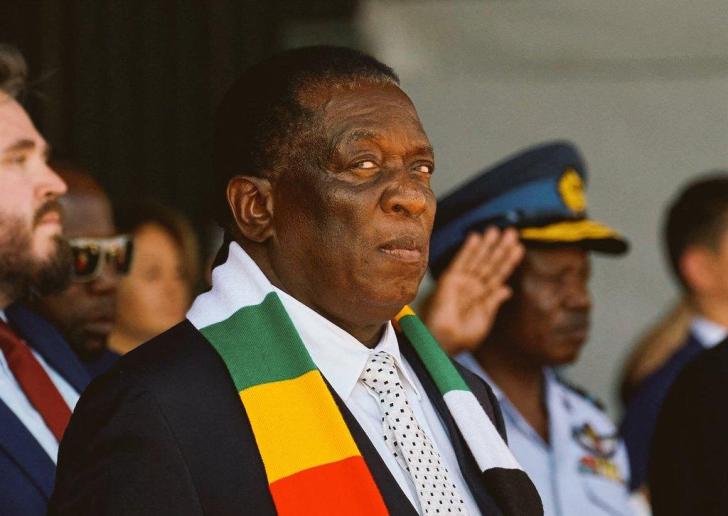
What was lost in all the outrage was what appears to me to be the self-evident fact that this could not possibly be President Emmerson Mnangagwa’s investigation.
Indeed, when one listens to the alleged audio, Mnangagwa himself would hardly have any reason to be offended.
He is not its victim.
There is no serious aspect of the recording that diminishes him. If anything, he emerges as the stationary object around which all the other anxieties, ambitions and rumours revolve.
And even assuming there were something personally damaging to the President in the recording, the affair had already travelled beyond the famously short memory span of Zimbabwe’s body politic.
The country had moved on.
A police investigation—complete with raids on a private home, a church and the collection of the apostle’s associates—could only have the effect of resurrecting the recording and inviting the nation to listen to it afresh.
This was thoughtfully observed by Reason Wafawarova, although he reached a different conclusion: that the ferocity of the reported response revealed a frightened State acting in service of an insecure President.
That explanation is tempting. It is also, in my view, too easy.
One sometimes has to interact with the various arms of the State at close quarters—perhaps burning one’s fingers in the process, or suffering considerably worse injury—to understand how things actually work in Zimbabwe.
Not everything done in the name of the President is ordered by the President.
Not everyone loudly defending the State is serving the State.
And not every officer who presents himself as outraged on behalf of authority is acting from patriotic conviction.
The shape of the alleged charges against Apostle Java, viewed against the background circumstances, points less to the political fears of the incumbent than to the paranoia, opportunism and private commerce that sometimes gather around power.
The reported docket contains four allegations: publishing falsehoods prejudicial to the State, bigotry, undermining the authority of the President and treason arising from an alleged call for the military overthrow of President Mnangagwa.
No serious police officer—senior or otherwise—could reasonably believe that a treason conviction will be secured on the strength of WhatsApp gossip spoken by a man whose identity as the speaker is itself disputed.
No serious prosecutor could examine such circumstances and confidently imagine a court convicting anyone of plotting the military overthrow of the Government.
This is idiotic.
Once that obvious proposition is accepted, one must move beyond the theatrical seriousness of the allegations and ask what else might really be happening.
Two explanations make considerably more sense.
The first is that this is a bogus investigation procured or financed by a rival preacher seeking to settle some private ecclesiastical quarrel through the machinery of the State.
Zimbabwe has no shortage of flamboyant prophets, apostles, bishops and archbishops whose spiritual gifts are accompanied by suspiciously worldly appetites. Their battles are seldom confined to scripture, prayer and the saving of souls.
The second possibility is darker, but no less familiar: that rogue police officers are manufacturing pressure in the hope of extracting money from the man of God in exchange for his freedom—or, more accurately, in exchange for relief from a predicament they themselves created.
The genius of such a scheme would lie in its apparent patriotism.
Those involved would posture as men deeply aggrieved on behalf of President Mnangagwa and the Republic, while pursuing an entirely private and self-serving enterprise.
The louder the charge, the greater the fear.
The greater the fear, the larger the price of salvation.
Hence the necessity for treason.
A modest allegation would not do. Nobody parts with serious money merely because a policeman threatens to accuse him of gossiping. The bark must be made sufficiently terrifying to encourage the subject to negotiate. Indeed, once a matter is coloured as political the entire chain of checks and balances collapses in compliance resulting in a stream of endless delays while one languishes behind bars. You will pay, eventually.
One should therefore not be surprised that a private political conversation has allegedly matured, through the miraculous powers of police stationery, into a military overthrow.
This remains my reading of the circumstances. One can never say with absolute certainty what moves through the minds of men operating behind closed doors, particularly when the police themselves have elected to say nothing.
But on balance, it appears highly unlikely that President Mnangagwa would personally sponsor such a cheap and legally comical case against the cleric.
What would he gain?
The recording was disappearing.
The controversy was dying.
The supposed insult was unclear.
The prospect of conviction is fantastical.
And the investigation has succeeded chiefly in directing thousands of Zimbabweans towards an audio they might otherwise never have heard.
The police, through their silence, are doing neither themselves nor the President any favours.
If Apostle Java is genuinely wanted, this should not be a secret whispered through church corridors and circulated in unofficial dockets.
The Zimbabwe Republic Police should state clearly whether he is wanted, identify the charges and explain precisely what criminal conduct is alleged.
That would allow law-abiding citizens such as ourselves to assist.
Should we happen to pass through Marondera and discover the dangerous preacher quietly eating a two-piece meal at Chicken Inn, we would immediately do the needful.
We would telephone the authorities.
We would guard the exits.
We would instruct the employees to suspend all further service of chips and coleslaw.
We would warn nearby motorists to remain inside their vehicles.
And we would tell the police:
“We have found him. The insurgent is here. Send the best special forces available.”
One assumes the Air Force would place its helicopters on standby.
The army would seal the highway.
The Presidential Guard would be notified.
After all, the Republic would be in grave danger.
A preacher might be talking politics.
Quite whether there is any evidence that Java is indeed the speaker in the offending audio is another matter. The apostle has publicly denied that the voice is his.
But even before that question is answered, the substance of the reported case carries an air of excess—of absurdity, even; of foolishness pursued with such earnestness that it understandably rubbed the public the wrong way.
The condemnation was quick and unforgiving.
Mnangagwa has gone too far.
Enough is enough.
After Amendment No. 3, now this?
And so the comments went.
What was lost in all the outrage was what appears to me to be the self-evident fact that this could not possibly be President Emmerson Mnangagwa’s investigation.
Indeed, when one listens to the alleged audio, Mnangagwa himself would hardly have any reason to be offended.
He is not its victim.
There is no serious aspect of the recording that diminishes him. If anything, he emerges as the stationary object around which all the other anxieties, ambitions and rumours revolve.
And even assuming there were something personally damaging to the President in the recording, the affair had already travelled beyond the famously short memory span of Zimbabwe’s body politic.
The country had moved on.
A police investigation—complete with raids on a private home, a church and the collection of the apostle’s associates—could only have the effect of resurrecting the recording and inviting the nation to listen to it afresh.
This was thoughtfully observed by Reason Wafawarova, although he reached a different conclusion: that the ferocity of the reported response revealed a frightened State acting in service of an insecure President.
That explanation is tempting. It is also, in my view, too easy.
One sometimes has to interact with the various arms of the State at close quarters—perhaps burning one’s fingers in the process, or suffering considerably worse injury—to understand how things actually work in Zimbabwe.
Not everything done in the name of the President is ordered by the President.
Not everyone loudly defending the State is serving the State.
And not every officer who presents himself as outraged on behalf of authority is acting from patriotic conviction.
The shape of the alleged charges against Apostle Java, viewed against the background circumstances, points less to the political fears of the incumbent than to the paranoia, opportunism and private commerce that sometimes gather around power.
The reported docket contains four allegations: publishing falsehoods prejudicial to the State, bigotry, undermining the authority of the President and treason arising from an alleged call for the military overthrow of President Mnangagwa.
No serious police officer—senior or otherwise—could reasonably believe that a treason conviction will be secured on the strength of WhatsApp gossip spoken by a man whose identity as the speaker is itself disputed.
No serious prosecutor could examine such circumstances and confidently imagine a court convicting anyone of plotting the military overthrow of the Government.
This is idiotic.
Once that obvious proposition is accepted, one must move beyond the theatrical seriousness of the allegations and ask what else might really be happening.
Two explanations make considerably more sense.
The first is that this is a bogus investigation procured or financed by a rival preacher seeking to settle some private ecclesiastical quarrel through the machinery of the State.
Zimbabwe has no shortage of flamboyant prophets, apostles, bishops and archbishops whose spiritual gifts are accompanied by suspiciously worldly appetites. Their battles are seldom confined to scripture, prayer and the saving of souls.
The second possibility is darker, but no less familiar: that rogue police officers are manufacturing pressure in the hope of extracting money from the man of God in exchange for his freedom—or, more accurately, in exchange for relief from a predicament they themselves created.
Those involved would posture as men deeply aggrieved on behalf of President Mnangagwa and the Republic, while pursuing an entirely private and self-serving enterprise.
The louder the charge, the greater the fear.
The greater the fear, the larger the price of salvation.
Hence the necessity for treason.
A modest allegation would not do. Nobody parts with serious money merely because a policeman threatens to accuse him of gossiping. The bark must be made sufficiently terrifying to encourage the subject to negotiate. Indeed, once a matter is coloured as political the entire chain of checks and balances collapses in compliance resulting in a stream of endless delays while one languishes behind bars. You will pay, eventually.
One should therefore not be surprised that a private political conversation has allegedly matured, through the miraculous powers of police stationery, into a military overthrow.
This remains my reading of the circumstances. One can never say with absolute certainty what moves through the minds of men operating behind closed doors, particularly when the police themselves have elected to say nothing.
But on balance, it appears highly unlikely that President Mnangagwa would personally sponsor such a cheap and legally comical case against the cleric.
What would he gain?
The recording was disappearing.
The controversy was dying.
The supposed insult was unclear.
The prospect of conviction is fantastical.
And the investigation has succeeded chiefly in directing thousands of Zimbabweans towards an audio they might otherwise never have heard.
The police, through their silence, are doing neither themselves nor the President any favours.
If Apostle Java is genuinely wanted, this should not be a secret whispered through church corridors and circulated in unofficial dockets.
The Zimbabwe Republic Police should state clearly whether he is wanted, identify the charges and explain precisely what criminal conduct is alleged.
That would allow law-abiding citizens such as ourselves to assist.
Should we happen to pass through Marondera and discover the dangerous preacher quietly eating a two-piece meal at Chicken Inn, we would immediately do the needful.
We would telephone the authorities.
We would guard the exits.
We would instruct the employees to suspend all further service of chips and coleslaw.
We would warn nearby motorists to remain inside their vehicles.
And we would tell the police:
“We have found him. The insurgent is here. Send the best special forces available.”
One assumes the Air Force would place its helicopters on standby.
The army would seal the highway.
The Presidential Guard would be notified.
After all, the Republic would be in grave danger.
A preacher might be talking politics.
Source - Kukurigo
All articles and letters published on Bulawayo24 have been independently written by members of Bulawayo24's community. The views of users published on Bulawayo24 are therefore their own and do not necessarily represent the views of Bulawayo24. Bulawayo24 editors also reserve the right to edit or delete any and all comments received.
Join the discussion
Loading comments…





