News / National
Ramaphosa engages neighbours over illegal migration crisis
12 Jun 2026 at 12:08hrs |
0 Views
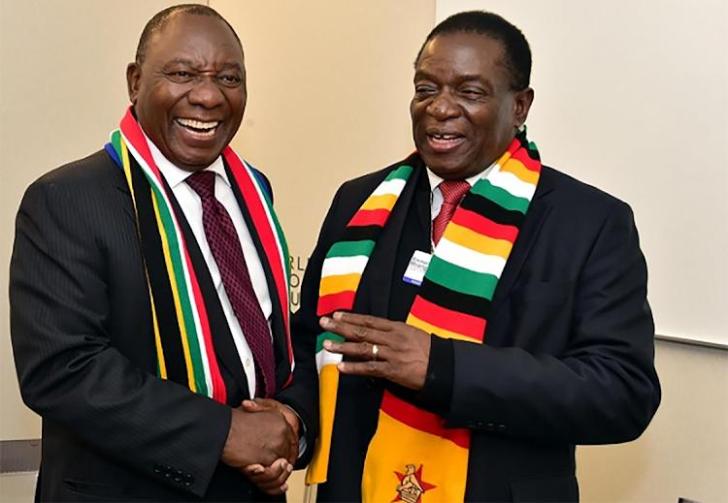
South African President Cyril Ramaphosa says his government will soon dispatch envoys to engage regional leaders in an effort to find lasting solutions to migration challenges and recurring xenophobic tensions in the country.
The move comes amid growing pressure on Ramaphosa's administration as vigilante groups have reportedly taken immigration enforcement into their own hands, demanding documentation from foreign nationals and threatening action against those they consider to be in the country illegally.
Foreign nationals, including many Zimbabweans, have reportedly been given until the end of the month by some groups to leave South Africa, with threats of unspecified consequences for those who fail to comply.
South Africa hosts millions of foreign nationals who have migrated to the country in search of employment and economic opportunities. The influx has fuelled debate over competition for jobs, housing and public services, with some South Africans arguing that undocumented migration has placed additional strain on already limited resources.
Zimbabwe is widely regarded as one of the leading source countries of migrants living in South Africa.
Addressing the issue, Ramaphosa said regional cooperation would be essential in tackling the root causes of migration across the continent.
"The final part of our response, alongside a cocktail of other measures, is to work with other countries in our region and across the continent to address the broader challenge of migration," he said.
"We need to address the factors that drive migration on our continent and elsewhere. South Africa cannot address migration challenges alone."
The South African leader said regional bodies such as the Southern African Development Community and the African Union must play a more active role in addressing migration pressures and promoting sustainable development across the continent.
"As South Africa, we will continue working with our sister countries to build an Africa in which people move by choice and not by desperation," Ramaphosa said.
"As part of this effort, I will be sending envoys to a number of sister African countries to outline the measures that we are announcing this evening."
The announcement follows calls by the Zimbabwe National Liberation War Veterans Association for the Zimbabwean government to engage South African authorities over the welfare and safety of Zimbabweans living in the neighbouring country.
Ramaphosa said his administration is implementing a range of measures aimed at strengthening immigration management and reducing the influx of undocumented migrants, while maintaining adherence to the rule of law.
At the same time, he issued a stern warning against vigilantism, stressing that immigration enforcement remains the responsibility of state institutions and not private groups.
The president said law enforcement agencies have sufficient capacity to maintain order and would act against any attempts to incite violence or unrest under the guise of immigration enforcement.
His remarks come as South Africa continues to grapple with the complex challenge of balancing border security, economic realities and regional migration pressures while preventing xenophobic tensions from escalating into violence.
The move comes amid growing pressure on Ramaphosa's administration as vigilante groups have reportedly taken immigration enforcement into their own hands, demanding documentation from foreign nationals and threatening action against those they consider to be in the country illegally.
Foreign nationals, including many Zimbabweans, have reportedly been given until the end of the month by some groups to leave South Africa, with threats of unspecified consequences for those who fail to comply.
South Africa hosts millions of foreign nationals who have migrated to the country in search of employment and economic opportunities. The influx has fuelled debate over competition for jobs, housing and public services, with some South Africans arguing that undocumented migration has placed additional strain on already limited resources.
Zimbabwe is widely regarded as one of the leading source countries of migrants living in South Africa.
Addressing the issue, Ramaphosa said regional cooperation would be essential in tackling the root causes of migration across the continent.
"The final part of our response, alongside a cocktail of other measures, is to work with other countries in our region and across the continent to address the broader challenge of migration," he said.
"We need to address the factors that drive migration on our continent and elsewhere. South Africa cannot address migration challenges alone."
The South African leader said regional bodies such as the Southern African Development Community and the African Union must play a more active role in addressing migration pressures and promoting sustainable development across the continent.
"As South Africa, we will continue working with our sister countries to build an Africa in which people move by choice and not by desperation," Ramaphosa said.
"As part of this effort, I will be sending envoys to a number of sister African countries to outline the measures that we are announcing this evening."
The announcement follows calls by the Zimbabwe National Liberation War Veterans Association for the Zimbabwean government to engage South African authorities over the welfare and safety of Zimbabweans living in the neighbouring country.
Ramaphosa said his administration is implementing a range of measures aimed at strengthening immigration management and reducing the influx of undocumented migrants, while maintaining adherence to the rule of law.
At the same time, he issued a stern warning against vigilantism, stressing that immigration enforcement remains the responsibility of state institutions and not private groups.
The president said law enforcement agencies have sufficient capacity to maintain order and would act against any attempts to incite violence or unrest under the guise of immigration enforcement.
His remarks come as South Africa continues to grapple with the complex challenge of balancing border security, economic realities and regional migration pressures while preventing xenophobic tensions from escalating into violence.
Source - online
Join the discussion
Loading comments…



