News / National
Chin'ono, Chamisa clash over CCC leadership
19 Aug 2026 at 12:40hrs |
1188 Views
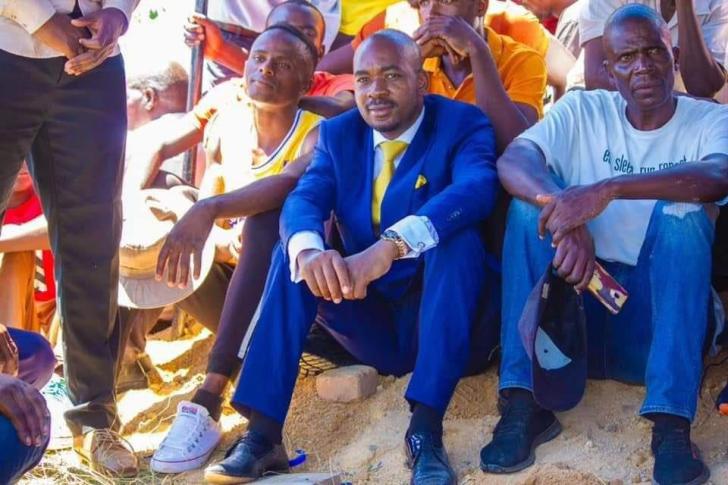
JOURNALIST and political commentator Hopewell Chin'ono has clashed with Citizens Coalition for Change (CCC) leader Nelson Chamisa over the collapse of the opposition movement, with Chin'ono accusing the former opposition leader of failing to establish democratic structures and Chamisa hitting back by accusing the journalist of spreading lies and misinformation.
The public exchange followed a lengthy post by Chin'ono on X, formerly Twitter, in which he criticised Chamisa's leadership of the CCC and argued that the movement's structural weaknesses made it vulnerable to infiltration and eventual collapse.
Chin'ono said Chamisa founded the CCC and became its president but declined to establish a constitution, elected leadership and accountable party structures.
He argued that decision-making was instead heavily centralised around Chamisa, who selected candidates and controlled key decisions within the movement.
"That is why this statement is so upsetting and intellectually dishonest. You cannot deliberately centralise an entire political movement around yourself, personally control who enters its inner circles, refuse institutional safeguards, and then speak as though 'infiltrators' mysteriously arrived through a door controlled by someone else," Chin'ono wrote.
He questioned who should bear responsibility if the movement was infiltrated.
"If CCC became a snake pit, who built the pit? If infiltrators occupied the movement, through whose leadership did they enter and rise?" he asked.
Chin'ono argued that infiltration was more likely to occur where political movements lacked transparent rules, records, elected structures, collective decision-making and accountability mechanisms.
He said the weaknesses in the CCC were not accidental but resulted from the leadership model adopted by Chamisa.
Chin'ono also criticised what he described as Chamisa's failure to accept responsibility for the movement's collapse, arguing that the opposition leader could not claim sole authority when things were going well and then shift blame to "pretenders" and "infiltrators" when the movement fell apart.
He further cited previous warnings from political analyst Dr Alex Magaisa, saying Magaisa had urged Chamisa to establish a constitution and proper leadership structures to prevent precisely the problems that later emerged.
Chin'ono said any genuine political renewal should begin with an acceptance of responsibility and an apology to supporters.
Chamisa responded directly to Chin'ono, accusing him of abandoning journalism for propaganda.
"Dear @daddyhope, a proper and balanced journalist is a truth-teller who reports facts, not fiction. Be a journalist, not a propagandist who peddles lies and misinformation to serve the interests of the oppressors. I have tolerated your tomfoolery for far too long. Enough is enough," Chamisa wrote.
Chin'ono subsequently challenged Chamisa to identify the specific statements he considered false.
"Please identify the specific lies and misinformation you claim I have peddled. Point to the precise statement, explain what is false about it and provide the correct facts. Simply accusing me of spreading lies without identifying a single lie is meaningless," he responded.
Chin'ono defended the role of journalists in scrutinising political leaders, including opposition figures.
"You are a political actor and Zimbabwe's leading opposition politician. You say that you are fighting for democracy, yet an essential part of democracy is the right of journalists to scrutinise, question and criticise political leaders, including opposition leaders," he said.
He also took issue with Chamisa's assertion that he had "tolerated" him.
"A politician does not tolerate a journalist. Journalists do not require permission from politicians to do their work," Chin'ono said, arguing that the language suggested criticism was acceptable only with a politician's approval.
Chin'ono said he would not be intimidated by Chamisa's supporters and challenged the opposition leader to provide evidence if any of his claims were factually incorrect.
"If any statement I have made is factually wrong, identify it and I will respond with the evidence supporting what I said. If you demonstrate that I made a genuine factual error, I will correct it because that is what responsible journalists do," he said.
However, he maintained that if Chamisa could not identify a specific falsehood, the accusation of spreading lies should be withdrawn.
"But if you cannot identify a single lie, then you should withdraw this blanket accusation and respond to the substance of my criticism," Chin'ono said.
The exchange highlights the continuing debate within Zimbabwe's opposition movement over Chamisa's leadership of the CCC, the party's failure to develop durable institutional structures and the extent to which the movement's collapse should be attributed to internal leadership failures, alleged infiltration or both.
Chin'ono maintained that criticism of political leaders should not be treated as hostility, arguing that democratic leaders must be prepared to face difficult questions and scrutiny.
"Journalism is not praise-singing, and scrutiny is not hostility. Democracy requires leaders who can answer difficult questions without labelling every critic a propagandist," he said.
The public exchange followed a lengthy post by Chin'ono on X, formerly Twitter, in which he criticised Chamisa's leadership of the CCC and argued that the movement's structural weaknesses made it vulnerable to infiltration and eventual collapse.
Chin'ono said Chamisa founded the CCC and became its president but declined to establish a constitution, elected leadership and accountable party structures.
He argued that decision-making was instead heavily centralised around Chamisa, who selected candidates and controlled key decisions within the movement.
"That is why this statement is so upsetting and intellectually dishonest. You cannot deliberately centralise an entire political movement around yourself, personally control who enters its inner circles, refuse institutional safeguards, and then speak as though 'infiltrators' mysteriously arrived through a door controlled by someone else," Chin'ono wrote.
He questioned who should bear responsibility if the movement was infiltrated.
"If CCC became a snake pit, who built the pit? If infiltrators occupied the movement, through whose leadership did they enter and rise?" he asked.
Chin'ono argued that infiltration was more likely to occur where political movements lacked transparent rules, records, elected structures, collective decision-making and accountability mechanisms.
He said the weaknesses in the CCC were not accidental but resulted from the leadership model adopted by Chamisa.
Chin'ono also criticised what he described as Chamisa's failure to accept responsibility for the movement's collapse, arguing that the opposition leader could not claim sole authority when things were going well and then shift blame to "pretenders" and "infiltrators" when the movement fell apart.
He further cited previous warnings from political analyst Dr Alex Magaisa, saying Magaisa had urged Chamisa to establish a constitution and proper leadership structures to prevent precisely the problems that later emerged.
Chin'ono said any genuine political renewal should begin with an acceptance of responsibility and an apology to supporters.
Chamisa responded directly to Chin'ono, accusing him of abandoning journalism for propaganda.
"Dear @daddyhope, a proper and balanced journalist is a truth-teller who reports facts, not fiction. Be a journalist, not a propagandist who peddles lies and misinformation to serve the interests of the oppressors. I have tolerated your tomfoolery for far too long. Enough is enough," Chamisa wrote.
Chin'ono subsequently challenged Chamisa to identify the specific statements he considered false.
"Please identify the specific lies and misinformation you claim I have peddled. Point to the precise statement, explain what is false about it and provide the correct facts. Simply accusing me of spreading lies without identifying a single lie is meaningless," he responded.
Chin'ono defended the role of journalists in scrutinising political leaders, including opposition figures.
"You are a political actor and Zimbabwe's leading opposition politician. You say that you are fighting for democracy, yet an essential part of democracy is the right of journalists to scrutinise, question and criticise political leaders, including opposition leaders," he said.
He also took issue with Chamisa's assertion that he had "tolerated" him.
"A politician does not tolerate a journalist. Journalists do not require permission from politicians to do their work," Chin'ono said, arguing that the language suggested criticism was acceptable only with a politician's approval.
Chin'ono said he would not be intimidated by Chamisa's supporters and challenged the opposition leader to provide evidence if any of his claims were factually incorrect.
"If any statement I have made is factually wrong, identify it and I will respond with the evidence supporting what I said. If you demonstrate that I made a genuine factual error, I will correct it because that is what responsible journalists do," he said.
However, he maintained that if Chamisa could not identify a specific falsehood, the accusation of spreading lies should be withdrawn.
"But if you cannot identify a single lie, then you should withdraw this blanket accusation and respond to the substance of my criticism," Chin'ono said.
The exchange highlights the continuing debate within Zimbabwe's opposition movement over Chamisa's leadership of the CCC, the party's failure to develop durable institutional structures and the extent to which the movement's collapse should be attributed to internal leadership failures, alleged infiltration or both.
Chin'ono maintained that criticism of political leaders should not be treated as hostility, arguing that democratic leaders must be prepared to face difficult questions and scrutiny.
"Journalism is not praise-singing, and scrutiny is not hostility. Democracy requires leaders who can answer difficult questions without labelling every critic a propagandist," he said.
Source - Byo24News
Join the discussion
Loading comments…


