News / National
Chivayo fires back at Mliswa over CAB3 gift controversy
14 Jun 2026 at 11:21hrs |
1049 Views
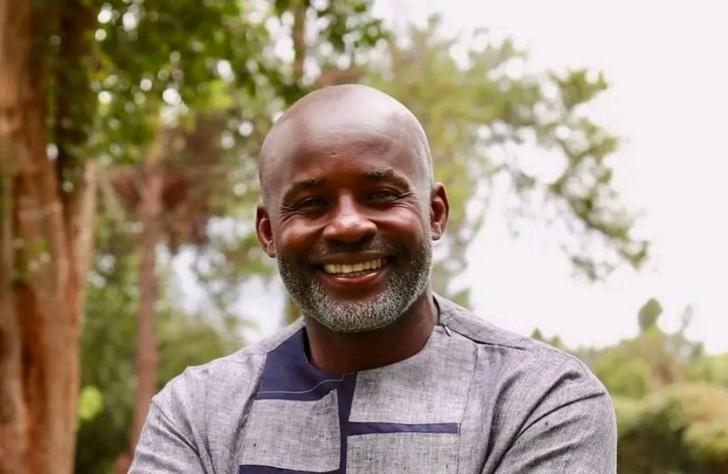
Controversial businessman Wicknell Chivayo has launched a blistering attack on former Zanu PF provincial chairman and ex-legislator Temba Mliswa, accusing him of hypocrisy after he criticised gifts awarded to Members of Parliament supporting the Constitution of Zimbabwe Amendment Bill (No. 3).
The public fallout comes amid growing scrutiny over Chivayo's recent donations of luxury vehicles and cash to legislators who have publicly backed the controversial constitutional amendments, which include proposals to extend President Emmerson Mnangagwa's term of office by two years.
In a lengthy Facebook post, Chivayo revealed that Mliswa had himself accepted a Ford Raptor vehicle allegedly purchased by the businessman for US$107,000.
"I am actually surprised that you now appear to take a strong position against accepting my gratuity, yet recently you graciously accepted the Ford Raptor I paid cash US$107,000 which I bought you," Chivayo wrote.
He claimed the gift was extended out of sympathy for Mliswa's circumstances following his exit from active politics.
The comments were made in response to Mliswa's criticism of Chivayo's decision to reward MPs who publicly supported Constitutional Amendment Bill No. 3 (CAB3).
Mliswa had argued that the gifts risked undermining public confidence in Parliament and could create the perception that legislators were being improperly influenced during a critical constitutional process.
"The introduction of such bribes into a legitimate parliamentary process is not only unwarranted but wholly unacceptable," Mliswa said.
He further argued that the gifts were unnecessary given Zanu PF's existing parliamentary majority and warned that they could tarnish the legitimacy of the legislative process.
The controversy centres on Chivayo's public announcements that he had awarded a 2026 Toyota Fortuner and US$50,000 cash to Remigious Matangira and a similar package to Samantha Mureyani after they publicly supported the Bill.
Chivayo rejected suggestions that the gifts constituted bribery, arguing that the recipients had already publicly declared their support for the constitutional amendments before receiving any rewards.
"If I get impressed by an MP's unapologetic support for CAB3 and President E.D. Mnangagwa, and personally choose to reward him or her, where is the problem?" he wrote.
"How does that become bribery as you allege, if the MP is already openly in support of CAB3 and rewarded after?"
The businessman also denied that he was seeking political influence or recognition through his donations.
"I am not the architect behind CAB3. I am not a politician and I have absolutely no aspirations of becoming one," he said.
"This theory that I am somehow seeking recognition exists entirely in your imagination and nowhere else."
Chivayo used the opportunity to launch a broader attack on Mliswa's political and business record, accusing him of presiding over failed business ventures and suffering repeated electoral defeats.
"You were rejected by your own constituencies in Hurungwe and Norton," Chivayo wrote.
"You are nothing more than a pale image of your former self."
He further argued that his philanthropic activities were voluntary and cited several public figures whom he claimed had previously declined his offers of gifts.
Among those he mentioned were Eunor Guti, Nqobile Magwizi and Emmanuel Makandiwa.
"Philanthropy is voluntary," Chivayo said.
"Those who want to receive it, receive it in the love of God. Those who don't want it, decline, and I move on to the next."
The exchange has intensified debate around the role of money and gifts in Zimbabwean politics, particularly as Parliament prepares to continue deliberations on CAB3.
Critics of the Bill argue that the appearance of financial rewards linked to parliamentary support risks undermining public trust in the constitutional amendment process, while supporters maintain that no evidence has been presented showing that legislators changed their positions in exchange for gifts.
The controversy comes as the Bill faces mounting legal and political challenges, including court applications seeking to block some of its provisions.
With Parliament expected to vote on the amendments in the coming days, scrutiny of both the legislation and the conduct of key actors involved in the debate is likely to intensify.
The public fallout comes amid growing scrutiny over Chivayo's recent donations of luxury vehicles and cash to legislators who have publicly backed the controversial constitutional amendments, which include proposals to extend President Emmerson Mnangagwa's term of office by two years.
In a lengthy Facebook post, Chivayo revealed that Mliswa had himself accepted a Ford Raptor vehicle allegedly purchased by the businessman for US$107,000.
"I am actually surprised that you now appear to take a strong position against accepting my gratuity, yet recently you graciously accepted the Ford Raptor I paid cash US$107,000 which I bought you," Chivayo wrote.
He claimed the gift was extended out of sympathy for Mliswa's circumstances following his exit from active politics.
The comments were made in response to Mliswa's criticism of Chivayo's decision to reward MPs who publicly supported Constitutional Amendment Bill No. 3 (CAB3).
Mliswa had argued that the gifts risked undermining public confidence in Parliament and could create the perception that legislators were being improperly influenced during a critical constitutional process.
"The introduction of such bribes into a legitimate parliamentary process is not only unwarranted but wholly unacceptable," Mliswa said.
He further argued that the gifts were unnecessary given Zanu PF's existing parliamentary majority and warned that they could tarnish the legitimacy of the legislative process.
The controversy centres on Chivayo's public announcements that he had awarded a 2026 Toyota Fortuner and US$50,000 cash to Remigious Matangira and a similar package to Samantha Mureyani after they publicly supported the Bill.
Chivayo rejected suggestions that the gifts constituted bribery, arguing that the recipients had already publicly declared their support for the constitutional amendments before receiving any rewards.
"If I get impressed by an MP's unapologetic support for CAB3 and President E.D. Mnangagwa, and personally choose to reward him or her, where is the problem?" he wrote.
"How does that become bribery as you allege, if the MP is already openly in support of CAB3 and rewarded after?"
"I am not the architect behind CAB3. I am not a politician and I have absolutely no aspirations of becoming one," he said.
"This theory that I am somehow seeking recognition exists entirely in your imagination and nowhere else."
Chivayo used the opportunity to launch a broader attack on Mliswa's political and business record, accusing him of presiding over failed business ventures and suffering repeated electoral defeats.
"You were rejected by your own constituencies in Hurungwe and Norton," Chivayo wrote.
"You are nothing more than a pale image of your former self."
He further argued that his philanthropic activities were voluntary and cited several public figures whom he claimed had previously declined his offers of gifts.
Among those he mentioned were Eunor Guti, Nqobile Magwizi and Emmanuel Makandiwa.
"Philanthropy is voluntary," Chivayo said.
"Those who want to receive it, receive it in the love of God. Those who don't want it, decline, and I move on to the next."
The exchange has intensified debate around the role of money and gifts in Zimbabwean politics, particularly as Parliament prepares to continue deliberations on CAB3.
Critics of the Bill argue that the appearance of financial rewards linked to parliamentary support risks undermining public trust in the constitutional amendment process, while supporters maintain that no evidence has been presented showing that legislators changed their positions in exchange for gifts.
The controversy comes as the Bill faces mounting legal and political challenges, including court applications seeking to block some of its provisions.
With Parliament expected to vote on the amendments in the coming days, scrutiny of both the legislation and the conduct of key actors involved in the debate is likely to intensify.
Source - zimlive
Join the discussion
Loading comments…





