News / National
Zimbabwe eyes record wheat harvest
14 Jun 2026 at 21:52hrs |
605 Views
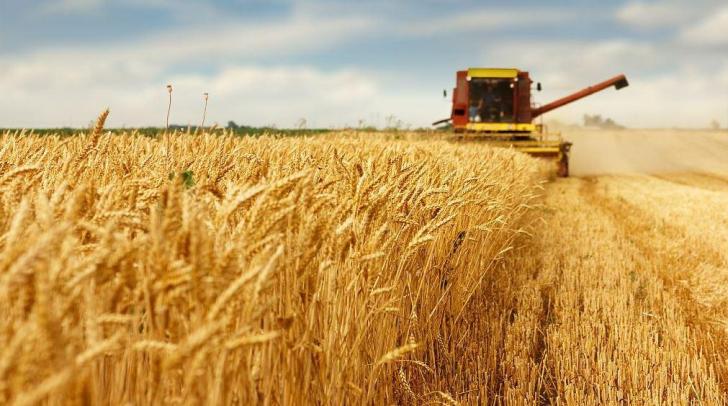
Zimbabwe is on course for another potentially record-breaking wheat harvest, with authorities projecting production of more than 660,000 tonnes this year as farmers complete winter planting ahead of the June 15 deadline.
The anticipated harvest is expected to strengthen national food security, reduce reliance on imports and provide a crucial buffer against forecasts of a possible drought during the 2026/2027 summer cropping season.
Latest figures from the Ministry of Agriculture show that 118,185 hectares of wheat had been planted by Thursday, representing 94.5 percent of the national target of 125,000 hectares.
Government officials expressed confidence that the remaining hectarage would be planted before the close of the season.
If the target is achieved, Zimbabwe is expected to harvest approximately 662,500 tonnes of wheat, significantly exceeding the country's annual consumption requirement of around 360,000 tonnes.
The strong performance comes as authorities intensify preparations for the next summer farming season amid forecasts indicating an 80 percent probability of an El Niño-induced drought.
Agriculture experts say the winter wheat programme has become one of Zimbabwe's most important food security interventions, allowing the country to build grain reserves through irrigation-based production that is less vulnerable to rainfall variability.
Permanent Secretary in the Ministry of Agriculture, Mechanisation and Water Resources Development, Obert Jiri, said the country remained on track to achieve its planting target.
"No further extension. We should be able to hit our target by Monday," said Prof Jiri.
The planting deadline was extended from May 31 to June 15 after prolonged rains delayed harvesting of summer crops and slowed land preparation in some areas.
Significantly, land already registered for wheat production has surpassed the national target, reaching 126,875 hectares.
Prof Jiri said the winter wheat programme plays a critical role in Zimbabwe's efforts to build resilience against climate-related shocks.
"We are leveraging the good water levels in our dams to maximise wheat production under irrigation," he said.
"The objective is not only to achieve self-sufficiency, but to build a buffer against future climatic shocks.
"The forecasts are pointing to a high probability of an El Niño event next season and, as Government, we must prepare in advance. Wheat gives us that opportunity because it is produced under irrigation and is less vulnerable to rainfall variability."
The programme has been supported by favourable water supplies, with national dam levels remaining above 90 percent following a successful rainy season.
The abundant water reserves have created ideal conditions for winter cropping and strengthened prospects for another bumper harvest.
Over the past decade, Zimbabwe has transformed its wheat sector from one heavily dependent on imports into a largely self-sufficient industry.
The turnaround has been driven by investments in irrigation rehabilitation, mechanisation, contract farming and targeted support programmes for farmers.
Zimbabwe National Farmers Union president Monica Chinamasa said the strong planting performance reflected growing confidence among producers.
"What we are witnessing is a clear indication that farmers have embraced wheat production as both a business and a national food security priority," she said.
"The availability of irrigation infrastructure, improved access to inputs and continued Government support have given farmers confidence to invest in production."
She added that continued momentum would help strengthen Zimbabwe's resilience against future climate shocks.
The expected wheat surplus is likely to boost the Strategic Grain Reserve, reduce pressure on foreign currency reserves and insulate the country from fluctuations in international grain markets.
The programme has gained additional significance amid growing concerns over global supply chain disruptions and rising fertiliser costs linked to escalating tensions in the Middle East.
Government has already begun implementing measures aimed at safeguarding agricultural production from external shocks.
During a recent post-Cabinet briefing, Information, Publicity and Broadcasting Services Minister Zhemu Soda said authorities were taking proactive measures to guarantee food security.
"The 2026/2027 Summer Production Plan seeks to guarantee national food security against the backdrop of unprecedented compounding pressures, including the 80 percent probability of a super El Niño-induced drought and heightened fuel and fertiliser prices," he said.
Authorities are particularly monitoring developments affecting international shipping routes through the Strait of Hormuz, which could impact global fertiliser supply chains and agricultural production costs.
To reduce reliance on imported fertilisers, Government is accelerating efforts to localise production.
Agriculture Minister Anxious Masuka recently revealed that Cabinet had established a dedicated committee to drive fertiliser industry localisation.
"In Zimbabwe, we are already discussing the localisation of the fertiliser industry and there is a Cabinet committee that is focusing on that and we have made very important progress in that regard," he said.
The initiative is being supported by the Mutapa Investment Fund through a US$153.1 million programme aimed at revitalising the country's fertiliser value chain.
Part of the investment has been directed towards the refurbishment and expansion of the Dorowa phosphate mine, Zimbabwe's sole phosphate producer.
When fully operational, the project is expected to produce enough phosphate concentrate to support the manufacture of approximately 300,000 tonnes of Compound D fertiliser annually.
Provincial planting figures indicate broad participation across the country.
Mashonaland West leads with 30,112 hectares planted, followed by Mashonaland Central with 24,763 hectares and Mashonaland East with 24,601 hectares.
Both Manicaland and Midlands provinces have already exceeded their planting targets.
As the wheat planting season concludes, the crop has become more than just an agricultural programme. It is increasingly viewed as a cornerstone of Zimbabwe's food security strategy, a safeguard against climate uncertainty and a critical component of the country's broader goals of agricultural self-sufficiency, import substitution and economic resilience.
With drought risks looming over the next summer season, the success of this year's winter wheat programme could play a decisive role in protecting national food supplies and supporting millions of Zimbabweans in the months ahead.
The anticipated harvest is expected to strengthen national food security, reduce reliance on imports and provide a crucial buffer against forecasts of a possible drought during the 2026/2027 summer cropping season.
Latest figures from the Ministry of Agriculture show that 118,185 hectares of wheat had been planted by Thursday, representing 94.5 percent of the national target of 125,000 hectares.
Government officials expressed confidence that the remaining hectarage would be planted before the close of the season.
If the target is achieved, Zimbabwe is expected to harvest approximately 662,500 tonnes of wheat, significantly exceeding the country's annual consumption requirement of around 360,000 tonnes.
The strong performance comes as authorities intensify preparations for the next summer farming season amid forecasts indicating an 80 percent probability of an El Niño-induced drought.
Agriculture experts say the winter wheat programme has become one of Zimbabwe's most important food security interventions, allowing the country to build grain reserves through irrigation-based production that is less vulnerable to rainfall variability.
Permanent Secretary in the Ministry of Agriculture, Mechanisation and Water Resources Development, Obert Jiri, said the country remained on track to achieve its planting target.
"No further extension. We should be able to hit our target by Monday," said Prof Jiri.
The planting deadline was extended from May 31 to June 15 after prolonged rains delayed harvesting of summer crops and slowed land preparation in some areas.
Significantly, land already registered for wheat production has surpassed the national target, reaching 126,875 hectares.
Prof Jiri said the winter wheat programme plays a critical role in Zimbabwe's efforts to build resilience against climate-related shocks.
"We are leveraging the good water levels in our dams to maximise wheat production under irrigation," he said.
"The objective is not only to achieve self-sufficiency, but to build a buffer against future climatic shocks.
"The forecasts are pointing to a high probability of an El Niño event next season and, as Government, we must prepare in advance. Wheat gives us that opportunity because it is produced under irrigation and is less vulnerable to rainfall variability."
The programme has been supported by favourable water supplies, with national dam levels remaining above 90 percent following a successful rainy season.
The abundant water reserves have created ideal conditions for winter cropping and strengthened prospects for another bumper harvest.
Over the past decade, Zimbabwe has transformed its wheat sector from one heavily dependent on imports into a largely self-sufficient industry.
The turnaround has been driven by investments in irrigation rehabilitation, mechanisation, contract farming and targeted support programmes for farmers.
Zimbabwe National Farmers Union president Monica Chinamasa said the strong planting performance reflected growing confidence among producers.
"The availability of irrigation infrastructure, improved access to inputs and continued Government support have given farmers confidence to invest in production."
She added that continued momentum would help strengthen Zimbabwe's resilience against future climate shocks.
The expected wheat surplus is likely to boost the Strategic Grain Reserve, reduce pressure on foreign currency reserves and insulate the country from fluctuations in international grain markets.
The programme has gained additional significance amid growing concerns over global supply chain disruptions and rising fertiliser costs linked to escalating tensions in the Middle East.
Government has already begun implementing measures aimed at safeguarding agricultural production from external shocks.
During a recent post-Cabinet briefing, Information, Publicity and Broadcasting Services Minister Zhemu Soda said authorities were taking proactive measures to guarantee food security.
"The 2026/2027 Summer Production Plan seeks to guarantee national food security against the backdrop of unprecedented compounding pressures, including the 80 percent probability of a super El Niño-induced drought and heightened fuel and fertiliser prices," he said.
Authorities are particularly monitoring developments affecting international shipping routes through the Strait of Hormuz, which could impact global fertiliser supply chains and agricultural production costs.
To reduce reliance on imported fertilisers, Government is accelerating efforts to localise production.
Agriculture Minister Anxious Masuka recently revealed that Cabinet had established a dedicated committee to drive fertiliser industry localisation.
"In Zimbabwe, we are already discussing the localisation of the fertiliser industry and there is a Cabinet committee that is focusing on that and we have made very important progress in that regard," he said.
The initiative is being supported by the Mutapa Investment Fund through a US$153.1 million programme aimed at revitalising the country's fertiliser value chain.
Part of the investment has been directed towards the refurbishment and expansion of the Dorowa phosphate mine, Zimbabwe's sole phosphate producer.
When fully operational, the project is expected to produce enough phosphate concentrate to support the manufacture of approximately 300,000 tonnes of Compound D fertiliser annually.
Provincial planting figures indicate broad participation across the country.
Mashonaland West leads with 30,112 hectares planted, followed by Mashonaland Central with 24,763 hectares and Mashonaland East with 24,601 hectares.
Both Manicaland and Midlands provinces have already exceeded their planting targets.
As the wheat planting season concludes, the crop has become more than just an agricultural programme. It is increasingly viewed as a cornerstone of Zimbabwe's food security strategy, a safeguard against climate uncertainty and a critical component of the country's broader goals of agricultural self-sufficiency, import substitution and economic resilience.
With drought risks looming over the next summer season, the success of this year's winter wheat programme could play a decisive role in protecting national food supplies and supporting millions of Zimbabweans in the months ahead.
Source - Sunday News
Join the discussion
Loading comments…





