News / National
Augustus Capital eyes US$175m Telecel Zimbabwe takeover in rescue deal
30 Jul 2026 at 21:41hrs |
1155 Views
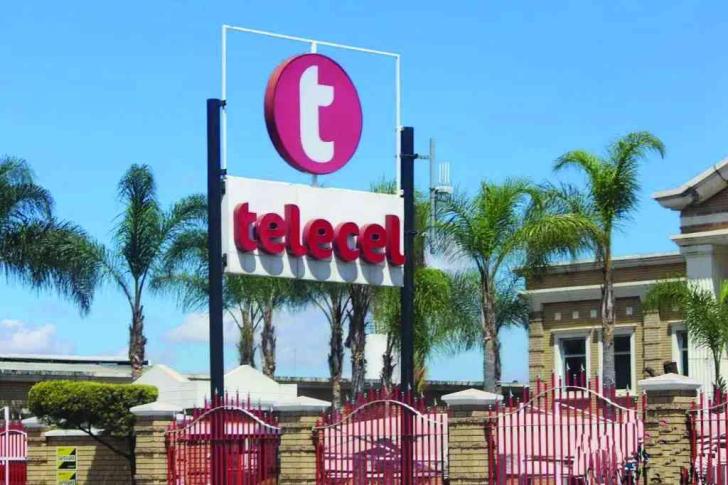
A local investment vehicle, Augustus Capital, is set to acquire Telecel Zimbabwe for US$175 million under the mobile operator's corporate rescue programme in a transaction that could reshape Zimbabwe's telecommunications sector.
The proposed deal, which is still subject to approval under the Corporate Rescue Plan, would see Telecel partner with a major regional telecommunications operator as part of a broader strategy to revive the financially distressed company.
Augustus Capital was established as a special purpose investment vehicle specifically to participate in the restructuring and proposed acquisition of Telecel Zimbabwe through the ongoing corporate rescue proceedings.
Under the proposed transaction, the Mutapa Investment Fund will reduce its shareholding from 45% to 15%, ceding 30% of its stake to Augustus Capital.
Augustus Capital will also acquire the entire 40% stake held by Empowerment Corporation, giving it a controlling interest in the company while leaving Mutapa with a minority stake in the restructured business.
To finance the acquisition and support Telecel's turnaround, Augustus Capital has secured a capital financing facility of up to US$127 million from Ecobank.
The funding will become available once creditors formally adopt the Corporate Rescue Plan and will finance both the implementation of the transaction and the company's ongoing operations.
As part of the recapitalisation strategy, Augustus Capital has entered into agreements with Chinese telecommunications equipment manufacturer ZTE and Satewave Technologies.
The agreements provide for the supply of network equipment valued at US$60.5 million and network rollout services worth US$28.5 million.
The investment includes a planned capital expenditure programme of US$89 million to modernise Telecel's network.
The rescue plan envisages a large-scale LTE network upgrade, with approximately 1,200 sites expected to be deployed.
Implementation assumes a 12-month lead time before revenue benefits materialise, comprising six months for equipment manufacturing, shipping and delivery, followed by six months for nationwide network rollout.
Revenue projections are based on expanded network coverage, improved spectrum utilisation, higher average revenue per user and increased network capacity.
The plan also assumes Telecel will continue operating under its existing telecommunications licence, which has approximately seven years remaining.
Unlike liquidation, the corporate rescue plan provides for Telecel employees to remain in employment while receiving their salaries and accrued benefits.
Under Zimbabwe's Insolvency Act, employee remuneration that becomes due during the corporate rescue process will be paid from the company's available funds after liquidation costs and the corporate rescue practitioner's expenses but before other preferential creditors.
The rescue plan notes that liquidation would have resulted in the immediate loss of all jobs, with employees receiving a maximum of approximately three months' salary, subject to the availability of funds, before ranking as concurrent creditors for any outstanding balances.
The Corporate Rescue Plan is being implemented under Zimbabwe's Insolvency Act and requires approval by preferred creditors in terms of Section 144 before becoming legally binding.
Once adopted, the plan will provide the legal framework for the sale of Telecel, restructuring of its operations and repayment of legacy debts over approximately 24 months.
The rescue proceedings also benefit from a statutory moratorium under Section 126 of the Insolvency Act, which temporarily prevents creditors from pursuing legal action or enforcing claims against Telecel without the consent of either the Corporate Rescue Practitioner or the High Court.
The moratorium is intended to provide the company with sufficient time to implement its recovery strategy.
The plan states that unsecured trade and other creditors, who would receive no dividend in a liquidation scenario, are expected to recover approximately 40 cents for every dollar owed under the proposed rescue package.
The Postal and Telecommunications Regulatory Authority of Zimbabwe (POTRAZ) is also expected to benefit from the restructuring.
Under the proposal, POTRAZ would receive seven US cents in the dollar for outstanding historical licence fees, while future licence fees would be paid in full through equal annual instalments over approximately eight years following a one-year grace period.
Overall, the regulator's recovery is estimated at approximately 61 cents in the dollar, significantly higher than the expected return under liquidation.
The proposed restructuring also outlines the treatment of existing shareholders.
Mutapa Investment Fund and Empowerment Corporation are expected to receive nominal payments of US$1 and US$0.50 respectively for their existing shareholdings, compared with no return in the event of liquidation.
Shareholders with outstanding shareholder loans would recover approximately seven US cents in the dollar on those claims while collectively retaining a 15% equity stake in the restructured company.
If approved by creditors, the transaction would pave the way for one of Zimbabwe's most significant telecommunications restructurings in recent years, providing fresh capital, a major network upgrade and a pathway for Telecel Zimbabwe to return to sustainable profitability while preserving jobs and maintaining operations.
The proposed deal, which is still subject to approval under the Corporate Rescue Plan, would see Telecel partner with a major regional telecommunications operator as part of a broader strategy to revive the financially distressed company.
Augustus Capital was established as a special purpose investment vehicle specifically to participate in the restructuring and proposed acquisition of Telecel Zimbabwe through the ongoing corporate rescue proceedings.
Under the proposed transaction, the Mutapa Investment Fund will reduce its shareholding from 45% to 15%, ceding 30% of its stake to Augustus Capital.
Augustus Capital will also acquire the entire 40% stake held by Empowerment Corporation, giving it a controlling interest in the company while leaving Mutapa with a minority stake in the restructured business.
To finance the acquisition and support Telecel's turnaround, Augustus Capital has secured a capital financing facility of up to US$127 million from Ecobank.
The funding will become available once creditors formally adopt the Corporate Rescue Plan and will finance both the implementation of the transaction and the company's ongoing operations.
As part of the recapitalisation strategy, Augustus Capital has entered into agreements with Chinese telecommunications equipment manufacturer ZTE and Satewave Technologies.
The agreements provide for the supply of network equipment valued at US$60.5 million and network rollout services worth US$28.5 million.
The investment includes a planned capital expenditure programme of US$89 million to modernise Telecel's network.
The rescue plan envisages a large-scale LTE network upgrade, with approximately 1,200 sites expected to be deployed.
Implementation assumes a 12-month lead time before revenue benefits materialise, comprising six months for equipment manufacturing, shipping and delivery, followed by six months for nationwide network rollout.
Revenue projections are based on expanded network coverage, improved spectrum utilisation, higher average revenue per user and increased network capacity.
The plan also assumes Telecel will continue operating under its existing telecommunications licence, which has approximately seven years remaining.
Unlike liquidation, the corporate rescue plan provides for Telecel employees to remain in employment while receiving their salaries and accrued benefits.
Under Zimbabwe's Insolvency Act, employee remuneration that becomes due during the corporate rescue process will be paid from the company's available funds after liquidation costs and the corporate rescue practitioner's expenses but before other preferential creditors.
The rescue plan notes that liquidation would have resulted in the immediate loss of all jobs, with employees receiving a maximum of approximately three months' salary, subject to the availability of funds, before ranking as concurrent creditors for any outstanding balances.
The Corporate Rescue Plan is being implemented under Zimbabwe's Insolvency Act and requires approval by preferred creditors in terms of Section 144 before becoming legally binding.
Once adopted, the plan will provide the legal framework for the sale of Telecel, restructuring of its operations and repayment of legacy debts over approximately 24 months.
The rescue proceedings also benefit from a statutory moratorium under Section 126 of the Insolvency Act, which temporarily prevents creditors from pursuing legal action or enforcing claims against Telecel without the consent of either the Corporate Rescue Practitioner or the High Court.
The moratorium is intended to provide the company with sufficient time to implement its recovery strategy.
The plan states that unsecured trade and other creditors, who would receive no dividend in a liquidation scenario, are expected to recover approximately 40 cents for every dollar owed under the proposed rescue package.
The Postal and Telecommunications Regulatory Authority of Zimbabwe (POTRAZ) is also expected to benefit from the restructuring.
Under the proposal, POTRAZ would receive seven US cents in the dollar for outstanding historical licence fees, while future licence fees would be paid in full through equal annual instalments over approximately eight years following a one-year grace period.
Overall, the regulator's recovery is estimated at approximately 61 cents in the dollar, significantly higher than the expected return under liquidation.
The proposed restructuring also outlines the treatment of existing shareholders.
Mutapa Investment Fund and Empowerment Corporation are expected to receive nominal payments of US$1 and US$0.50 respectively for their existing shareholdings, compared with no return in the event of liquidation.
Shareholders with outstanding shareholder loans would recover approximately seven US cents in the dollar on those claims while collectively retaining a 15% equity stake in the restructured company.
If approved by creditors, the transaction would pave the way for one of Zimbabwe's most significant telecommunications restructurings in recent years, providing fresh capital, a major network upgrade and a pathway for Telecel Zimbabwe to return to sustainable profitability while preserving jobs and maintaining operations.
Source - businessdaily.co.zw
Join the discussion
Loading comments…





