News / National
Zimbabwe opposition at lowest point, but democratic struggle must continue
31 Jul 2026 at 08:31hrs |
547 Views
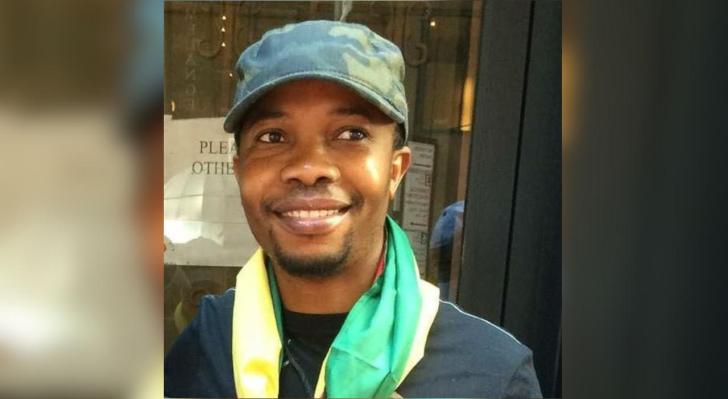
Diaspora-based opposition activist Freeman Chari says Zimbabwe's pro-democracy movement is currently at one of its weakest moments, but insists resistance against Constitutional Amendment Act No. 3 and the broader struggle for democratic reforms must continue.
In an interview with The Standard senior reporter Miriam Mangwaya, Chari argued that governments cannot manufacture political legitimacy through force, adding that history shows political struggles move through cycles of setbacks and renewal.
He said although the opposition is facing significant challenges, what he described as an "illegitimate" constitutional process cannot endure indefinitely.
Chari also dismissed calls for forced opposition unity, saying meaningful alliances emerge through shared action rather than political negotiations.
Addressing concerns over his safety, Chari revealed that he and members of his family in Zimbabwe have been receiving threats, which he attributed largely to online supporters of the ruling party.
"These threats are nothing extraordinary. I receive them almost every day, especially from Varakashi. They do not move me because I fear nothing," he said.
He said the threats had intensified over the past two months and had begun targeting people close to him, prompting him to publicly confront some of those he believes are responsible.
While acknowledging that living in the diaspora affords him greater freedom to speak out, Chari rejected suggestions that this insulated him from risk.
"People inside Zimbabwe and those in the diaspora play different, but complementary roles. I am strategically positioned to say things that many people on the ground may be unable to say because of the risks they face," he said.
He added that he remained vulnerable to cyberattacks and other forms of intimidation, claiming there had been attempts to disrupt his communications in 2023.
On the role of the diaspora, Chari said Zimbabweans abroad contribute through advocacy, financial support and information dissemination, while those inside the country remain central to grassroots mobilisation.
"It is not a case of one side being more important than the other; it is about everyone playing their role within a coordinated struggle," he said.
Chari also questioned the emphasis placed on opposition unity, arguing that political movements should focus on pursuing common objectives rather than negotiating alliances.
"You cannot simply lock people in a room and instruct them to unite. Genuine unity develops through shared action and common purpose," he said.
Commenting on Constitutional Amendment Act No. 3, Chari acknowledged that the government appeared determined to proceed despite legal challenges and public opposition.
However, he argued that sustained civic action and legal challenges remain important.
"History teaches us that political struggles move through cycles. At the moment, we are at a low point... But legitimacy cannot be created through force," he said.
"Court challenges will continue, even if we do not expect immediate victories. They provide an opportunity to keep organising and maintaining pressure."
Chari described the current state of Zimbabwe's opposition as one of its lowest points in recent years, citing declining public mobilisation, growing political fatigue and increasing public disillusionment.
He said many Zimbabweans no longer believed peaceful democratic processes could deliver meaningful political change.
"What worries me most is that some people are beginning to believe democratic change is no longer possible. Increasingly, you hear arguments that only violence or military intervention can bring change. For those of us who believe in peaceful democratic change, that is deeply alarming," he said.
Chari also argued that events such as the 2018 post-election violence and parliamentary recalls had deepened public frustration and weakened confidence in electoral politics.
Despite the setbacks, he maintained that the struggle for constitutionalism and democratic governance would continue, insisting that lasting political legitimacy cannot be secured through coercion alone.
In an interview with The Standard senior reporter Miriam Mangwaya, Chari argued that governments cannot manufacture political legitimacy through force, adding that history shows political struggles move through cycles of setbacks and renewal.
He said although the opposition is facing significant challenges, what he described as an "illegitimate" constitutional process cannot endure indefinitely.
Chari also dismissed calls for forced opposition unity, saying meaningful alliances emerge through shared action rather than political negotiations.
Addressing concerns over his safety, Chari revealed that he and members of his family in Zimbabwe have been receiving threats, which he attributed largely to online supporters of the ruling party.
"These threats are nothing extraordinary. I receive them almost every day, especially from Varakashi. They do not move me because I fear nothing," he said.
He said the threats had intensified over the past two months and had begun targeting people close to him, prompting him to publicly confront some of those he believes are responsible.
While acknowledging that living in the diaspora affords him greater freedom to speak out, Chari rejected suggestions that this insulated him from risk.
"People inside Zimbabwe and those in the diaspora play different, but complementary roles. I am strategically positioned to say things that many people on the ground may be unable to say because of the risks they face," he said.
He added that he remained vulnerable to cyberattacks and other forms of intimidation, claiming there had been attempts to disrupt his communications in 2023.
On the role of the diaspora, Chari said Zimbabweans abroad contribute through advocacy, financial support and information dissemination, while those inside the country remain central to grassroots mobilisation.
Chari also questioned the emphasis placed on opposition unity, arguing that political movements should focus on pursuing common objectives rather than negotiating alliances.
"You cannot simply lock people in a room and instruct them to unite. Genuine unity develops through shared action and common purpose," he said.
Commenting on Constitutional Amendment Act No. 3, Chari acknowledged that the government appeared determined to proceed despite legal challenges and public opposition.
However, he argued that sustained civic action and legal challenges remain important.
"History teaches us that political struggles move through cycles. At the moment, we are at a low point... But legitimacy cannot be created through force," he said.
"Court challenges will continue, even if we do not expect immediate victories. They provide an opportunity to keep organising and maintaining pressure."
Chari described the current state of Zimbabwe's opposition as one of its lowest points in recent years, citing declining public mobilisation, growing political fatigue and increasing public disillusionment.
He said many Zimbabweans no longer believed peaceful democratic processes could deliver meaningful political change.
"What worries me most is that some people are beginning to believe democratic change is no longer possible. Increasingly, you hear arguments that only violence or military intervention can bring change. For those of us who believe in peaceful democratic change, that is deeply alarming," he said.
Chari also argued that events such as the 2018 post-election violence and parliamentary recalls had deepened public frustration and weakened confidence in electoral politics.
Despite the setbacks, he maintained that the struggle for constitutionalism and democratic governance would continue, insisting that lasting political legitimacy cannot be secured through coercion alone.
Source - The Standard
Join the discussion
Loading comments…





