News / National
CAB3 unanimously passes to committee stage
17 Jun 2026 at 21:48hrs |
0 Views
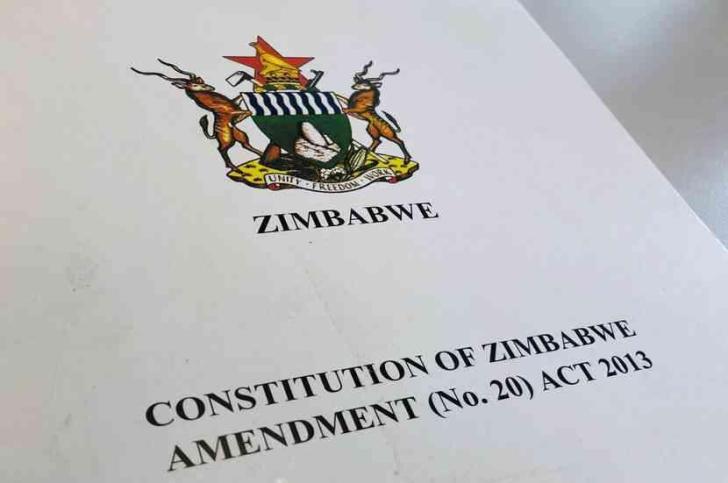
The controversial Constitution of Zimbabwe Amendment Bill (No. 3) has advanced to the committee stage in the National Assembly after opposition legislators failed to call for a formal division of the House, allowing the Bill to pass without a recorded vote despite vocal resistance during debate.
The development came after a marathon debate that stretched late into the night and saw a record number of lawmakers contributing to discussions on the proposed constitutional changes.
Although an estimated 30 Members of Parliament expressed opposition to the Bill during the second reading debate, no legislator challenged the outcome of the voice vote by demanding a division of the House when the presiding officer declared that the motion had carried.
As a result, the Bill proceeded to the committee stage unanimously on the parliamentary record, despite the objections raised during debate.
Under parliamentary procedure, legislation is initially decided through a voice vote, with members indicating support or opposition by responding "Aye" or "No". If the result is disputed, any member may call for a division of the House, triggering a formal vote.
During a division, bells are rung to summon legislators to the chamber, doors are closed and members are required to vote in a manner that allows an exact tally to be recorded.
In the absence of such a request, the presiding officer's determination of the voice vote stands.
The Bill's progression to the committee stage marks the next major phase in the legislative process, where lawmakers examine the proposed amendments clause by clause.
At this stage, Parliament sits as a Committee of the Whole House, allowing members greater flexibility to debate specific provisions and propose amendments to individual clauses.
Each clause is scrutinised separately, with members and ministers able to suggest additions, deletions or modifications before votes are taken on whether to incorporate the proposed changes.
The committee stage is often regarded as one of the most important phases of law-making because it is where the precise wording of legislation is finalised.
Once the committee completes its review, the Bill proceeds to the report stage, where amendments adopted during committee deliberations are formally presented to the House for confirmation.
The legislation must then secure a two-thirds majority during its final reading in the National Assembly before being transmitted to the Senate for consideration.
The upper chamber will conduct a similar review process. Should senators propose amendments, the Bill would return to the National Assembly for further consideration before being sent to President Emmerson Mnangagwa for assent.
The Bill has generated significant political controversy, with critics arguing that some of its provisions could fundamentally alter Zimbabwe's constitutional architecture, while supporters maintain that the amendments are necessary to improve governance and strengthen state institutions.
Despite fierce opposition from some legislators, the ruling ZANU-PF's commanding parliamentary majority means the Bill remains on course to secure the support required for constitutional amendment unless significant dissent emerges during the remaining legislative stages.
The development came after a marathon debate that stretched late into the night and saw a record number of lawmakers contributing to discussions on the proposed constitutional changes.
Although an estimated 30 Members of Parliament expressed opposition to the Bill during the second reading debate, no legislator challenged the outcome of the voice vote by demanding a division of the House when the presiding officer declared that the motion had carried.
As a result, the Bill proceeded to the committee stage unanimously on the parliamentary record, despite the objections raised during debate.
Under parliamentary procedure, legislation is initially decided through a voice vote, with members indicating support or opposition by responding "Aye" or "No". If the result is disputed, any member may call for a division of the House, triggering a formal vote.
During a division, bells are rung to summon legislators to the chamber, doors are closed and members are required to vote in a manner that allows an exact tally to be recorded.
In the absence of such a request, the presiding officer's determination of the voice vote stands.
The Bill's progression to the committee stage marks the next major phase in the legislative process, where lawmakers examine the proposed amendments clause by clause.
At this stage, Parliament sits as a Committee of the Whole House, allowing members greater flexibility to debate specific provisions and propose amendments to individual clauses.
Each clause is scrutinised separately, with members and ministers able to suggest additions, deletions or modifications before votes are taken on whether to incorporate the proposed changes.
The committee stage is often regarded as one of the most important phases of law-making because it is where the precise wording of legislation is finalised.
Once the committee completes its review, the Bill proceeds to the report stage, where amendments adopted during committee deliberations are formally presented to the House for confirmation.
The legislation must then secure a two-thirds majority during its final reading in the National Assembly before being transmitted to the Senate for consideration.
The upper chamber will conduct a similar review process. Should senators propose amendments, the Bill would return to the National Assembly for further consideration before being sent to President Emmerson Mnangagwa for assent.
The Bill has generated significant political controversy, with critics arguing that some of its provisions could fundamentally alter Zimbabwe's constitutional architecture, while supporters maintain that the amendments are necessary to improve governance and strengthen state institutions.
Despite fierce opposition from some legislators, the ruling ZANU-PF's commanding parliamentary majority means the Bill remains on course to secure the support required for constitutional amendment unless significant dissent emerges during the remaining legislative stages.
Source - newsday
Join the discussion
Loading comments…


