News / National
Zanu-PF's Ziyambi concedes defeat on CAB 3 clauses
18 Jun 2026 at 14:52hrs |
0 Views
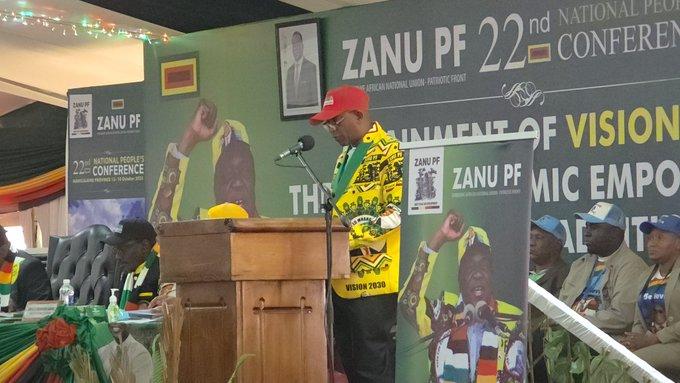
The government has conceded ground on two of the most controversial provisions contained in the Constitutional Amendment Bill No. 3 (CAB 3), agreeing to drop plans to abolish the Zimbabwe Gender Commission and to allow traditional leaders to participate in partisan politics.
Justice, Legal and Parliamentary Affairs Minister Ziyambi Ziyambi announced the concessions in the National Assembly on Wednesday as debate over the contentious Bill intensified, exposing divisions within Parliament and increasing public scrutiny over proposals to extend the terms of President Emmerson Mnangagwa and elected representatives.
The climbdown came after sustained opposition from legislators across the political divide, with Citizens Coalition for Change (CCC) lawmakers resisting efforts by a Zanu PF faction to fast-track the Bill through Parliament.
Addressing the House, Ziyambi acknowledged that there was broad opposition to the two clauses and said government had accepted the recommendations of the Parliamentary Portfolio Committee to retain the Zimbabwe Gender Commission and preserve the non-partisan status of traditional leaders.
On the issue of chiefs, Ziyambi said the proposed amendment had sought to address what he described as a contradiction in the Constitution, where traditional leaders sit in Parliament and participate in constitutional votes while being required to remain politically neutral.
He noted that several legislators had strongly argued in favour of granting chiefs greater political participation, but government ultimately accepted the committee's recommendation that the current constitutional position should remain unchanged.
"Our chiefs preside over courts of customary law, and those who sit in judgment must stand apart from partisan contests. This principle is unassailable," Ziyambi told Parliament.
The concessions cleared the way for the Bill to proceed to the Committee Stage, where lawmakers were expected to remove the disputed provisions during clause-by-clause consideration.
However, government remains firmly committed to the Bill's central objective of extending presidential and parliamentary terms, despite mounting opposition from critics who argue that such changes require direct public approval through a referendum.
CCC spokesperson Nqobizitha Mlilo, representing the faction aligned to self-styled secretary-general Sengezo Tshabangu, attributed the concessions to ongoing negotiations between his group and Zanu PF.
Mlilo welcomed the minister's decision, saying it reflected discussions held between the two sides.
"We acknowledge the concessions by the minister. It reflects the good-faith negotiations we had and we appreciate that he has been consistent with our discussions," Mlilo said.
He added that the ultimate objective of the negotiations was the formation of a government of national consensus following the passage of CAB 3.
"We are only left with one issue: that the end product of CAB 3 should be a government of national consensus as we move towards CAB 4," he said.
Prominent constitutional lawyer and former MDC legislator Munyaradzi Gwisai said opposition MPs had successfully exposed what he described as the weaknesses of the proposed term-extension provisions.
"The various opposition MPs who have spoken have done a very good job in exposing the bankruptcy of the proposal and the extension of the term by two years," Gwisai said.
He argued that any attempt to alter presidential terms should be subjected to a referendum to secure the consent of Zimbabwean voters.
The Bill seeks to extend Mnangagwa's tenure by two years and similarly prolong the life of Parliament, a move critics say undermines constitutional democracy and electoral accountability.
Acknowledging the controversy surrounding the proposal, Ziyambi told Parliament that the most heavily debated aspects of the Bill were those dealing with presidential elections and the length of the national electoral cycle.
"Mr Speaker, I come to debate on the Bill's core amendments, which drew the heaviest debate: the election of the President through Parliament and the length of the national electoral cycle," he said.
According to figures presented by government, a parliamentary committee received 540,037 submissions during public consultations, with 537,102 supporting the Bill and 2,935 opposing it. Public hearings reportedly attracted 54,231 participants nationwide.
Ziyambi also launched a sharp attack on the 30 legislators who opposed the Bill in its entirety, accusing them of failing to engage with what he termed five major challenges associated with direct presidential elections, including disputed election outcomes, political violence, policy paralysis and political polarisation.
"Most seized upon one, declared the Bill to be about nothing else and rejected the whole on the strength of that one part," he said.
The minister revealed that 182 legislators made substantive contributions during the debate, with 111 fully supporting the Bill, 31 supporting it with reservations, 10 taking no definitive position and 30 opposing it entirely.
Meanwhile, opponents of the Bill are preparing to continue their legal challenge through the courts after the Constitutional Court declined to hear an application brought by war veterans seeking to stop the proposed amendments.
Represented by constitutional lawyer Lovemore Madhuku, the applicants argued that President Mnangagwa had breached constitutional duties in supporting the Bill. However, the Constitutional Court ruled that the duties cited were not sufficiently specific to invoke its exclusive jurisdiction.
Madhuku said the matter would now be pursued in the High Court.
"What this means is that the application ought to be lodged in a lower court, which is the High Court," he said.
CAB 3 has become a focal point of internal Zanu PF tensions, with critics arguing that the proposed amendments are intended to block Vice-President Constantino Chiwenga from succeeding Mnangagwa when his current term ends.
Chiwenga has repeatedly warned that elements within the ruling party have hijacked Zanu PF for personal enrichment, while retired military officers and senior former civil servants, led by Retired Air Vice-Marshal Henry Muchena, have publicly opposed the Bill.
The group argues that extending presidential terms without fresh elections would undermine key democratic principles of the liberation struggle, including the principle of one person, one vote.
Although government has retreated on two contentious provisions, the battle over CAB 3's core term-extension clauses remains unresolved and is expected to intensify both inside and outside Parliament in the coming weeks.
Justice, Legal and Parliamentary Affairs Minister Ziyambi Ziyambi announced the concessions in the National Assembly on Wednesday as debate over the contentious Bill intensified, exposing divisions within Parliament and increasing public scrutiny over proposals to extend the terms of President Emmerson Mnangagwa and elected representatives.
The climbdown came after sustained opposition from legislators across the political divide, with Citizens Coalition for Change (CCC) lawmakers resisting efforts by a Zanu PF faction to fast-track the Bill through Parliament.
Addressing the House, Ziyambi acknowledged that there was broad opposition to the two clauses and said government had accepted the recommendations of the Parliamentary Portfolio Committee to retain the Zimbabwe Gender Commission and preserve the non-partisan status of traditional leaders.
On the issue of chiefs, Ziyambi said the proposed amendment had sought to address what he described as a contradiction in the Constitution, where traditional leaders sit in Parliament and participate in constitutional votes while being required to remain politically neutral.
He noted that several legislators had strongly argued in favour of granting chiefs greater political participation, but government ultimately accepted the committee's recommendation that the current constitutional position should remain unchanged.
"Our chiefs preside over courts of customary law, and those who sit in judgment must stand apart from partisan contests. This principle is unassailable," Ziyambi told Parliament.
The concessions cleared the way for the Bill to proceed to the Committee Stage, where lawmakers were expected to remove the disputed provisions during clause-by-clause consideration.
However, government remains firmly committed to the Bill's central objective of extending presidential and parliamentary terms, despite mounting opposition from critics who argue that such changes require direct public approval through a referendum.
CCC spokesperson Nqobizitha Mlilo, representing the faction aligned to self-styled secretary-general Sengezo Tshabangu, attributed the concessions to ongoing negotiations between his group and Zanu PF.
Mlilo welcomed the minister's decision, saying it reflected discussions held between the two sides.
"We acknowledge the concessions by the minister. It reflects the good-faith negotiations we had and we appreciate that he has been consistent with our discussions," Mlilo said.
He added that the ultimate objective of the negotiations was the formation of a government of national consensus following the passage of CAB 3.
"We are only left with one issue: that the end product of CAB 3 should be a government of national consensus as we move towards CAB 4," he said.
Prominent constitutional lawyer and former MDC legislator Munyaradzi Gwisai said opposition MPs had successfully exposed what he described as the weaknesses of the proposed term-extension provisions.
"The various opposition MPs who have spoken have done a very good job in exposing the bankruptcy of the proposal and the extension of the term by two years," Gwisai said.
He argued that any attempt to alter presidential terms should be subjected to a referendum to secure the consent of Zimbabwean voters.
The Bill seeks to extend Mnangagwa's tenure by two years and similarly prolong the life of Parliament, a move critics say undermines constitutional democracy and electoral accountability.
Acknowledging the controversy surrounding the proposal, Ziyambi told Parliament that the most heavily debated aspects of the Bill were those dealing with presidential elections and the length of the national electoral cycle.
"Mr Speaker, I come to debate on the Bill's core amendments, which drew the heaviest debate: the election of the President through Parliament and the length of the national electoral cycle," he said.
According to figures presented by government, a parliamentary committee received 540,037 submissions during public consultations, with 537,102 supporting the Bill and 2,935 opposing it. Public hearings reportedly attracted 54,231 participants nationwide.
Ziyambi also launched a sharp attack on the 30 legislators who opposed the Bill in its entirety, accusing them of failing to engage with what he termed five major challenges associated with direct presidential elections, including disputed election outcomes, political violence, policy paralysis and political polarisation.
"Most seized upon one, declared the Bill to be about nothing else and rejected the whole on the strength of that one part," he said.
The minister revealed that 182 legislators made substantive contributions during the debate, with 111 fully supporting the Bill, 31 supporting it with reservations, 10 taking no definitive position and 30 opposing it entirely.
Meanwhile, opponents of the Bill are preparing to continue their legal challenge through the courts after the Constitutional Court declined to hear an application brought by war veterans seeking to stop the proposed amendments.
Represented by constitutional lawyer Lovemore Madhuku, the applicants argued that President Mnangagwa had breached constitutional duties in supporting the Bill. However, the Constitutional Court ruled that the duties cited were not sufficiently specific to invoke its exclusive jurisdiction.
Madhuku said the matter would now be pursued in the High Court.
"What this means is that the application ought to be lodged in a lower court, which is the High Court," he said.
CAB 3 has become a focal point of internal Zanu PF tensions, with critics arguing that the proposed amendments are intended to block Vice-President Constantino Chiwenga from succeeding Mnangagwa when his current term ends.
Chiwenga has repeatedly warned that elements within the ruling party have hijacked Zanu PF for personal enrichment, while retired military officers and senior former civil servants, led by Retired Air Vice-Marshal Henry Muchena, have publicly opposed the Bill.
The group argues that extending presidential terms without fresh elections would undermine key democratic principles of the liberation struggle, including the principle of one person, one vote.
Although government has retreated on two contentious provisions, the battle over CAB 3's core term-extension clauses remains unresolved and is expected to intensify both inside and outside Parliament in the coming weeks.
Source - newsday
Join the discussion
Loading comments…





