News / National
Tshabangu threatens 'nuclear option' as CAB 3 talks stall
24 Jun 2026 at 18:56hrs |
0 Views
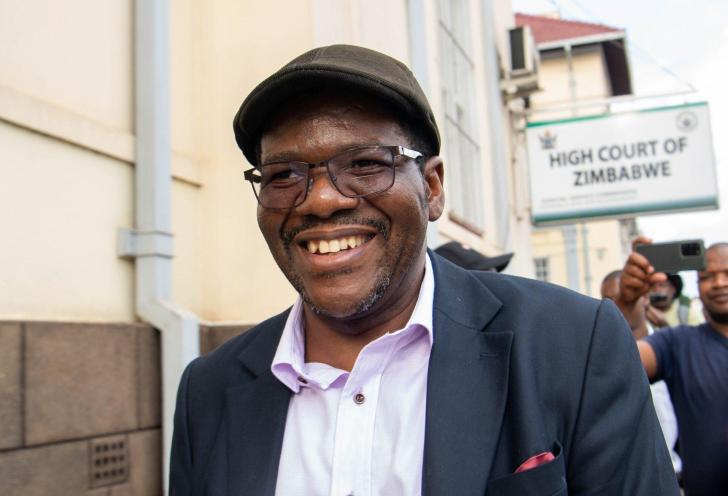
Tensions are reportedly rising between Zanu PF and self-styled Citizens Coalition for Change (CCC) secretary-general Sengezo Tshabangu ahead of the Senate vote on the controversial Constitution Amendment No. 3 Bill (CAB 3), amid claims that negotiations over his bloc's continued support have reached a deadlock.
The Bill was tabled in the Senate for its First and Second Readings after securing passage through the National Assembly last week with the backing of legislators aligned to Tshabangu, helping the ruling party attain the two-thirds majority required for constitutional amendments.
CAB 3 proposes several changes to the Constitution, including extending the tenure of senior judges and postponing the implementation of provisions relating to elected local authority mayors and presidential running mates.
However, sources familiar with ongoing negotiations say Tshabangu's camp is threatening what it has termed a "nuclear option" should discussions with Zanu PF fail to produce a satisfactory outcome.
The Senate arithmetic has made Tshabangu's support a significant factor in the legislative process. Zanu PF controls 33 seats in the Upper House, while the opposition holds 26 elected seats. The chamber also includes 18 traditional chiefs and two senators representing persons with disabilities. The Bill requires at least 54 votes to pass.
Reports indicate that senior Zanu PF officials, led by party secretary-general Jacob Mudenda, have been spearheading engagements with Tshabangu's faction.
When contacted for comment, Mudenda declined to discuss the matter.
"I do not comment on such things," he said.
Tshabangu's spokesperson, Nqobizitha Mlilo, confirmed that talks were continuing but warned that his camp was growing increasingly frustrated.
"We have met, are meeting and continue to engage. We do not want to be put in a position where we activate the nuclear option," said Mlilo.
"Our requests are politically reasonable. We expect our colleagues to act in the national interest and not take us for granted. The nuclear option remains available.
"We are engaged in substantive dialogue, but dialogue cannot be endless and repetitive. Our demands are reasonable, patriotic, legally sound and in the national interest. If Zanu PF chooses to stall, we are fully prepared to deploy our definitive political leverage."
Sources close to the discussions claim Tshabangu's camp has sought influence over several key government portfolios, including Education, Public Service, Health and Foreign Affairs.
Mlilo, however, rejected suggestions that the negotiations were centred on positions, insisting that the focus was on governance reforms and national priorities.
"We want a government of national consensus anchored by a National Governance Covenant," he said.
According to Mlilo, the proposed covenant would focus on six key areas: free quality education, free quality healthcare, social grants for vulnerable groups, improved conditions for public servants through living wages and adequate resources, a pan-African and multi-vector foreign policy, and the protection of constitutional civil and political rights.
"These are our primary demands. If they are not met, we will activate the nuclear option," he said.
The developments underscore the political significance of CAB 3, which has generated intense debate among politicians, legal experts and civil society organisations over its implications for Zimbabwe's constitutional order and democratic governance.
The Senate vote is expected to determine whether the Bill completes its parliamentary journey before being forwarded to President Emmerson Mnangagwa for assent.
The Bill was tabled in the Senate for its First and Second Readings after securing passage through the National Assembly last week with the backing of legislators aligned to Tshabangu, helping the ruling party attain the two-thirds majority required for constitutional amendments.
CAB 3 proposes several changes to the Constitution, including extending the tenure of senior judges and postponing the implementation of provisions relating to elected local authority mayors and presidential running mates.
However, sources familiar with ongoing negotiations say Tshabangu's camp is threatening what it has termed a "nuclear option" should discussions with Zanu PF fail to produce a satisfactory outcome.
The Senate arithmetic has made Tshabangu's support a significant factor in the legislative process. Zanu PF controls 33 seats in the Upper House, while the opposition holds 26 elected seats. The chamber also includes 18 traditional chiefs and two senators representing persons with disabilities. The Bill requires at least 54 votes to pass.
Reports indicate that senior Zanu PF officials, led by party secretary-general Jacob Mudenda, have been spearheading engagements with Tshabangu's faction.
When contacted for comment, Mudenda declined to discuss the matter.
"I do not comment on such things," he said.
Tshabangu's spokesperson, Nqobizitha Mlilo, confirmed that talks were continuing but warned that his camp was growing increasingly frustrated.
"We have met, are meeting and continue to engage. We do not want to be put in a position where we activate the nuclear option," said Mlilo.
"Our requests are politically reasonable. We expect our colleagues to act in the national interest and not take us for granted. The nuclear option remains available.
"We are engaged in substantive dialogue, but dialogue cannot be endless and repetitive. Our demands are reasonable, patriotic, legally sound and in the national interest. If Zanu PF chooses to stall, we are fully prepared to deploy our definitive political leverage."
Sources close to the discussions claim Tshabangu's camp has sought influence over several key government portfolios, including Education, Public Service, Health and Foreign Affairs.
Mlilo, however, rejected suggestions that the negotiations were centred on positions, insisting that the focus was on governance reforms and national priorities.
"We want a government of national consensus anchored by a National Governance Covenant," he said.
According to Mlilo, the proposed covenant would focus on six key areas: free quality education, free quality healthcare, social grants for vulnerable groups, improved conditions for public servants through living wages and adequate resources, a pan-African and multi-vector foreign policy, and the protection of constitutional civil and political rights.
"These are our primary demands. If they are not met, we will activate the nuclear option," he said.
The developments underscore the political significance of CAB 3, which has generated intense debate among politicians, legal experts and civil society organisations over its implications for Zimbabwe's constitutional order and democratic governance.
The Senate vote is expected to determine whether the Bill completes its parliamentary journey before being forwarded to President Emmerson Mnangagwa for assent.
Source - NewsDay
Join the discussion
Loading comments…




