News / National
Chiwenga's wife criticises 'mbinga culture'
09 Jun 2026 at 17:43hrs |
0 Views
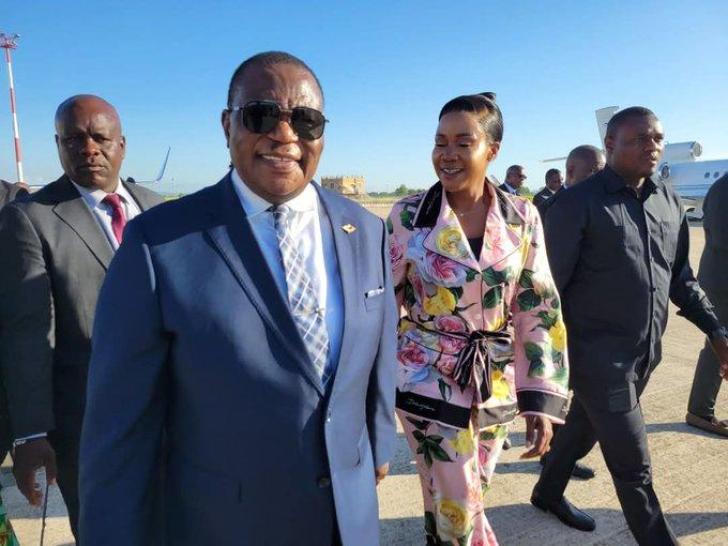
Colonel Miniyothabo Baloyi, wife of Vice President Constantino Chiwenga, has criticised Zimbabwe's growing culture of extravagant gift-giving and conspicuous displays of wealth, saying it is discouraging ordinary acts of generosity.
Baloyi made the remarks on social media after some followers questioned her decision to give content creator Rue the Dark Girl US$100, arguing that the amount was too small.
Responding to the criticism, Baloyi defended the gesture, saying she had fulfilled exactly what she had promised and that the value of assistance should not be measured solely by its monetary amount.
"MaZimbo musadaro, hanzi US$100 yamakapa Rue the Dark Girl ishoma. One Nando's meal is what I promised and is what I gave her. In fact yakawandisa, ko full chicken imari ikoko?" she wrote.
"Well, we live in a society where we are now afraid to give people US$100 because vajaira kupihwa ma100 000 if not one million."
Baloyi said people should be encouraged to help others according to their means rather than being pressured to match the lavish gifts often associated with wealthy individuals.
"Ini ndopa zvandino afforda and enough for the purpose. Next time, if someone asks me for mari yekombi, I will definitely give them US$10 if not US$5," she wrote.
"So what I'm saying is, we shouldn't discourage people from giving or helping others in whatever small ways. It's the thought that counts."
She added that she appreciated the recipient's gratitude and maintained that meaningful assistance should not be judged by its size.
Baloyi also expressed discomfort that the gift became a public talking point after Rue the Dark Girl shared it online in appreciation.
"It's unfortunate she posted out of appreciation, and I shared the post too, otherwise it was not even worth news," she wrote.
"Besides, biblically, it's not encouraged to publish when you help others, but if the receiver prefers to, it's their right to do so."
Her comments come amid growing debate over Zimbabwe's so-called "mbinga culture" — a term commonly used to describe wealthy individuals who publicly display their riches through lavish gifts, luxury vehicles and large cash handouts.
The discussion intensified following the high-profile wedding of Taonanyasha John Tagwirei, son of businessman Kudakwashe Tagwirei, and Poneso Tinomuda Janda at Thornpark Polo Club in Harare last month.
The wedding attracted senior government officials, business figures and celebrities and reportedly featured gifts valued at more than US$20 million.
According to media reports, Tagwirei and his wife Sandra gifted the newlyweds US$2.5 million in cash and a large parcel of land in the affluent Umwinsidale suburb. Other prominent gifts reportedly included US$250,000 and a luxury handbag from Wicknell Chivayo and US$500,000 from businessman Scott Sakupwanya.
Emmerson Mnangagwa reportedly presented the couple with a pedigree Brahman bull, while members of his family contributed cash gifts.
The scale of the wedding gifts sparked widespread discussion on social media, with critics arguing that such displays highlight the growing gap between the country's wealthy elite and ordinary citizens facing economic challenges.
Baloyi's remarks have added a new dimension to the debate, with her call for appreciation of modest acts of kindness resonating with those who believe generosity should be measured by intent rather than financial value.
Baloyi made the remarks on social media after some followers questioned her decision to give content creator Rue the Dark Girl US$100, arguing that the amount was too small.
Responding to the criticism, Baloyi defended the gesture, saying she had fulfilled exactly what she had promised and that the value of assistance should not be measured solely by its monetary amount.
"MaZimbo musadaro, hanzi US$100 yamakapa Rue the Dark Girl ishoma. One Nando's meal is what I promised and is what I gave her. In fact yakawandisa, ko full chicken imari ikoko?" she wrote.
"Well, we live in a society where we are now afraid to give people US$100 because vajaira kupihwa ma100 000 if not one million."
Baloyi said people should be encouraged to help others according to their means rather than being pressured to match the lavish gifts often associated with wealthy individuals.
"Ini ndopa zvandino afforda and enough for the purpose. Next time, if someone asks me for mari yekombi, I will definitely give them US$10 if not US$5," she wrote.
"So what I'm saying is, we shouldn't discourage people from giving or helping others in whatever small ways. It's the thought that counts."
She added that she appreciated the recipient's gratitude and maintained that meaningful assistance should not be judged by its size.
Baloyi also expressed discomfort that the gift became a public talking point after Rue the Dark Girl shared it online in appreciation.
"It's unfortunate she posted out of appreciation, and I shared the post too, otherwise it was not even worth news," she wrote.
"Besides, biblically, it's not encouraged to publish when you help others, but if the receiver prefers to, it's their right to do so."
Her comments come amid growing debate over Zimbabwe's so-called "mbinga culture" — a term commonly used to describe wealthy individuals who publicly display their riches through lavish gifts, luxury vehicles and large cash handouts.
The discussion intensified following the high-profile wedding of Taonanyasha John Tagwirei, son of businessman Kudakwashe Tagwirei, and Poneso Tinomuda Janda at Thornpark Polo Club in Harare last month.
The wedding attracted senior government officials, business figures and celebrities and reportedly featured gifts valued at more than US$20 million.
According to media reports, Tagwirei and his wife Sandra gifted the newlyweds US$2.5 million in cash and a large parcel of land in the affluent Umwinsidale suburb. Other prominent gifts reportedly included US$250,000 and a luxury handbag from Wicknell Chivayo and US$500,000 from businessman Scott Sakupwanya.
Emmerson Mnangagwa reportedly presented the couple with a pedigree Brahman bull, while members of his family contributed cash gifts.
The scale of the wedding gifts sparked widespread discussion on social media, with critics arguing that such displays highlight the growing gap between the country's wealthy elite and ordinary citizens facing economic challenges.
Baloyi's remarks have added a new dimension to the debate, with her call for appreciation of modest acts of kindness resonating with those who believe generosity should be measured by intent rather than financial value.
Source - online
Join the discussion
Loading comments…



