News / National
Zimra tightens grip on vehicle imports
24 Jun 2026 at 06:05hrs |
900 Views
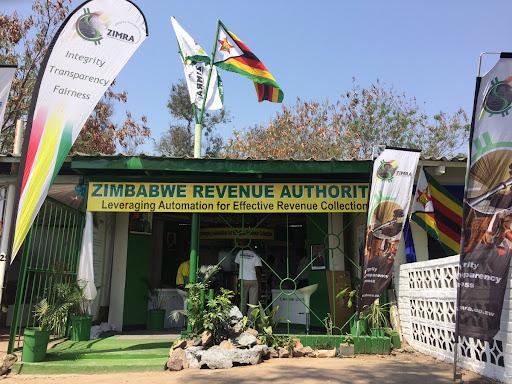
Zimbabwean motorists planning to import vehicles should brace for increased scrutiny from the Zimbabwe Revenue Authority (Zimra) as authorities move to tighten compliance and close tax loopholes in a sector increasingly driven by cash-rich buyers.
The latest measures come amid a sharp rise in vehicle imports, fuelled by informal traders, small-scale miners and diaspora-funded purchases, which authorities believe reflect growing volumes of United States dollar cash circulating outside the formal banking system.
According to market analysts at IH Securities, motor vehicle imports surged to between US$2.5 million and US$3 million per month in early 2023, more than double previous levels. The trend has continued to attract attention from regulators concerned about the source of funds and compliance with import regulations.
Zimbabwe's Financial Intelligence Unit recently highlighted the increase in vehicle imports, describing the sector as a major "cash cow" that absorbs significant amounts of cash from the informal economy.
Figures from the Zimbabwe National Statistics Agency show that the country had approximately 1.75 million registered vehicles by the end of 2025, underlining the importance of the motor vehicle market as a store of wealth for households and businesses.
Speaking on the sidelines of Zimra's annual general meeting on Friday, Zimra Commissioner General Regina Chinamasa said the authority had intensified efforts to ensure compliance in the vehicle import sector.
"We have also been reviewing the contribution from that sector. So, our thrust is on multiple fronts," Chinamasa said.
"We have high-value motor vehicles; we also have smaller vehicles. So, we are looking at issues of proper importation, valuation and also ensuring that they comply with the statutory road limitations."
She said authorities were also monitoring compliance with Zimbabwe's vehicle import regulations, including the 10-year age limit on imported vehicles.
One area of concern for Zimra is the abuse of concessions granted under special importation schemes, particularly those designed for returning residents.
According to Chinamasa, some individuals who qualify to import vehicles under concessionary arrangements have allegedly been bringing vehicles into the country on behalf of others who do not qualify for the incentives.
"There has been an increase where people who were not really qualified to bring in a vehicle will bring in a vehicle where they live. Then they leave the vehicles for consumption. And that consumption should be paid for," she said.
The practice effectively allows non-qualifying beneficiaries to avoid duties and taxes that would ordinarily be payable on imported vehicles.
Chinamasa stressed that Zimra was targeting abuse of the system without removing legitimate incentives available to returning residents and other qualifying beneficiaries.
"What we are doing is enforcing compliance without removing the facilitative framework that the government has put in place for legitimate beneficiaries," she said.
As part of the crackdown, Zimra has urged prospective buyers to verify whether imported vehicles were properly cleared before purchasing them.
The authority has also introduced a voluntary disclosure programme for motorists who may be uncertain about the status of vehicles already imported into the country.
"We have issued a public notice to say, going into the future, check with us whether the vehicle you intend to buy has been properly cleared, to avoid unnecessary inconveniences on the road," Chinamasa said.
"For those who had already imported but are not quite sure, we have opened a window for voluntary disclosure."
Under the programme, motorists can approach Zimra to verify compliance and settle any outstanding duties if irregularities are discovered.
The renewed focus on vehicle imports comes against the backdrop of Zimbabwe's tax regime, which significantly influences purchasing decisions. Imported vehicles older than five years attract additional surtaxes, while newer vehicles are exempt from certain penalties.
Research by financial media and research firm Equity Axis estimates that Zimbabwe imports more than 50,000 used vehicles annually, alongside between 500 and 800 buses. Imports of brand-new vehicles remain comparatively low at approximately 4,000 units per year.
According to Equity Axis, used vehicles account for around 92% of all vehicle imports, mainly sourced from Japan and the United Kingdom, while only 8% are new vehicles.
The dominance of used imports is largely driven by affordability and the country's tax structure.
"Zimbabwe's duty structure applies customs duty of 40% to 60% of vehicle value, VAT calculated on top of vehicle value plus customs duty, a 35% surtax on vehicles older than 10 years, and various other levies," Equity Axis noted.
The firm estimates that total duties and taxes can amount to between 80% and 120% of a vehicle's value, making vehicle imports a major source of government revenue.
Zimra's latest enforcement drive forms part of broader efforts to improve tax compliance, reduce revenue leakages and ensure that all vehicles entering the country are imported and utilised in accordance with Zimbabwean law.
For motorists and vehicle traders, the message from the tax authority is clear: compliance checks are intensifying, and those seeking to exploit loopholes in concessionary import schemes may soon find themselves facing additional duties, penalties and closer scrutiny.
The latest measures come amid a sharp rise in vehicle imports, fuelled by informal traders, small-scale miners and diaspora-funded purchases, which authorities believe reflect growing volumes of United States dollar cash circulating outside the formal banking system.
According to market analysts at IH Securities, motor vehicle imports surged to between US$2.5 million and US$3 million per month in early 2023, more than double previous levels. The trend has continued to attract attention from regulators concerned about the source of funds and compliance with import regulations.
Zimbabwe's Financial Intelligence Unit recently highlighted the increase in vehicle imports, describing the sector as a major "cash cow" that absorbs significant amounts of cash from the informal economy.
Figures from the Zimbabwe National Statistics Agency show that the country had approximately 1.75 million registered vehicles by the end of 2025, underlining the importance of the motor vehicle market as a store of wealth for households and businesses.
Speaking on the sidelines of Zimra's annual general meeting on Friday, Zimra Commissioner General Regina Chinamasa said the authority had intensified efforts to ensure compliance in the vehicle import sector.
"We have also been reviewing the contribution from that sector. So, our thrust is on multiple fronts," Chinamasa said.
"We have high-value motor vehicles; we also have smaller vehicles. So, we are looking at issues of proper importation, valuation and also ensuring that they comply with the statutory road limitations."
She said authorities were also monitoring compliance with Zimbabwe's vehicle import regulations, including the 10-year age limit on imported vehicles.
One area of concern for Zimra is the abuse of concessions granted under special importation schemes, particularly those designed for returning residents.
According to Chinamasa, some individuals who qualify to import vehicles under concessionary arrangements have allegedly been bringing vehicles into the country on behalf of others who do not qualify for the incentives.
"There has been an increase where people who were not really qualified to bring in a vehicle will bring in a vehicle where they live. Then they leave the vehicles for consumption. And that consumption should be paid for," she said.
The practice effectively allows non-qualifying beneficiaries to avoid duties and taxes that would ordinarily be payable on imported vehicles.
Chinamasa stressed that Zimra was targeting abuse of the system without removing legitimate incentives available to returning residents and other qualifying beneficiaries.
"What we are doing is enforcing compliance without removing the facilitative framework that the government has put in place for legitimate beneficiaries," she said.
As part of the crackdown, Zimra has urged prospective buyers to verify whether imported vehicles were properly cleared before purchasing them.
The authority has also introduced a voluntary disclosure programme for motorists who may be uncertain about the status of vehicles already imported into the country.
"We have issued a public notice to say, going into the future, check with us whether the vehicle you intend to buy has been properly cleared, to avoid unnecessary inconveniences on the road," Chinamasa said.
"For those who had already imported but are not quite sure, we have opened a window for voluntary disclosure."
Under the programme, motorists can approach Zimra to verify compliance and settle any outstanding duties if irregularities are discovered.
The renewed focus on vehicle imports comes against the backdrop of Zimbabwe's tax regime, which significantly influences purchasing decisions. Imported vehicles older than five years attract additional surtaxes, while newer vehicles are exempt from certain penalties.
Research by financial media and research firm Equity Axis estimates that Zimbabwe imports more than 50,000 used vehicles annually, alongside between 500 and 800 buses. Imports of brand-new vehicles remain comparatively low at approximately 4,000 units per year.
According to Equity Axis, used vehicles account for around 92% of all vehicle imports, mainly sourced from Japan and the United Kingdom, while only 8% are new vehicles.
The dominance of used imports is largely driven by affordability and the country's tax structure.
"Zimbabwe's duty structure applies customs duty of 40% to 60% of vehicle value, VAT calculated on top of vehicle value plus customs duty, a 35% surtax on vehicles older than 10 years, and various other levies," Equity Axis noted.
The firm estimates that total duties and taxes can amount to between 80% and 120% of a vehicle's value, making vehicle imports a major source of government revenue.
Zimra's latest enforcement drive forms part of broader efforts to improve tax compliance, reduce revenue leakages and ensure that all vehicles entering the country are imported and utilised in accordance with Zimbabwean law.
For motorists and vehicle traders, the message from the tax authority is clear: compliance checks are intensifying, and those seeking to exploit loopholes in concessionary import schemes may soon find themselves facing additional duties, penalties and closer scrutiny.
Source - The Standard
Join the discussion
Loading comments…





