News / National
Zimbabwe's political stagnation
05 Jul 2026 at 14:31hrs |
0 Views
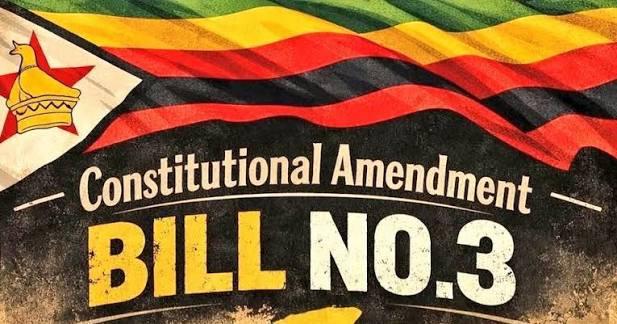
The passage of Constitutional Amendment Bill No. 3 (CAB3) has reignited debate over Zimbabwe's political future, with analysts and opposition figures arguing that the proposed constitutional changes could further entrench long-serving leadership and shape how younger generations experience democratic governance.
The Bill, which has passed through Parliament and now awaits President Emmerson Mnangagwa's assent, seeks to extend the President's term of office from 2028 to 2030.
Political commentators say Zimbabweans born after independence in 1980—often referred to as the "born-free" generation—have lived under only two presidents: the late Robert Mugabe and Mnangagwa.
They argue that if CAB3 becomes law, many members of that generation will have spent virtually their entire lives under the leadership of the same two presidents.
Observers contrast Zimbabwe's political trajectory with that of several neighbouring countries, including South Africa, Botswana, Mozambique, Namibia and Zambia, all of which have experienced multiple changes in national leadership over recent decades.
Supporters of regular leadership transitions argue that such changes provide opportunities for policy renewal and democratic accountability, while critics of CAB3 contend that extending presidential terms could reduce those opportunities.
Opposition politician Gift Ostallos Siziba said Zimbabwe should resist what he described as attempts to prolong executive rule.
"Life presidency was supposed to end with Mugabe," Siziba said.
"The result is our generation is being deprived of the opportunity to witness peaceful democratic transitions as a normal feature of constitutional governance. We must resist this criminality!"
Political analyst Reuben Mbofana argued that prolonged continuity in the country's highest office could influence how younger Zimbabweans perceive democratic governance.
"When a generation sees the highest office in the land occupied by only two individuals over a span of nearly half a century, the concept of a peaceful, routine transfer of power transitions from a standard constitutional process into an abstract, almost unattainable idea," Mbofana said.
He warned that such a situation could contribute to political disengagement among young people.
"Denying born-frees that experience effectively detaches them from the feeling of political agency; it fosters a sense that the state exists independently of its citizens' choices," he said.
Mbofana also argued that extending presidential terms could reinforce the perception that political power is permanent rather than temporary.
Labour unionist and political commentator Obert Masaraure was also critical of Zimbabwe's political leadership, arguing that prolonged rule has contributed to economic hardship and encouraged young Zimbabweans to seek opportunities abroad.
"Most of these young people are now leaving the country. The longer these failed leaders stay in office, the more our country continues to sink," Masaraure said.
The proposed constitutional amendments have become the focus of mounting opposition from political parties, civil society organisations and church groups, many of whom have raised legal and constitutional concerns over the Bill.
President Mnangagwa has previously stated that he is a constitutionalist and has said he would step down at the end of his current term in 2028. CAB3, however, proposes extending that term to 2030 if it receives presidential assent and takes effect.
The Bill, which has passed through Parliament and now awaits President Emmerson Mnangagwa's assent, seeks to extend the President's term of office from 2028 to 2030.
Political commentators say Zimbabweans born after independence in 1980—often referred to as the "born-free" generation—have lived under only two presidents: the late Robert Mugabe and Mnangagwa.
They argue that if CAB3 becomes law, many members of that generation will have spent virtually their entire lives under the leadership of the same two presidents.
Observers contrast Zimbabwe's political trajectory with that of several neighbouring countries, including South Africa, Botswana, Mozambique, Namibia and Zambia, all of which have experienced multiple changes in national leadership over recent decades.
Supporters of regular leadership transitions argue that such changes provide opportunities for policy renewal and democratic accountability, while critics of CAB3 contend that extending presidential terms could reduce those opportunities.
Opposition politician Gift Ostallos Siziba said Zimbabwe should resist what he described as attempts to prolong executive rule.
"Life presidency was supposed to end with Mugabe," Siziba said.
"The result is our generation is being deprived of the opportunity to witness peaceful democratic transitions as a normal feature of constitutional governance. We must resist this criminality!"
Political analyst Reuben Mbofana argued that prolonged continuity in the country's highest office could influence how younger Zimbabweans perceive democratic governance.
"When a generation sees the highest office in the land occupied by only two individuals over a span of nearly half a century, the concept of a peaceful, routine transfer of power transitions from a standard constitutional process into an abstract, almost unattainable idea," Mbofana said.
He warned that such a situation could contribute to political disengagement among young people.
"Denying born-frees that experience effectively detaches them from the feeling of political agency; it fosters a sense that the state exists independently of its citizens' choices," he said.
Mbofana also argued that extending presidential terms could reinforce the perception that political power is permanent rather than temporary.
Labour unionist and political commentator Obert Masaraure was also critical of Zimbabwe's political leadership, arguing that prolonged rule has contributed to economic hardship and encouraged young Zimbabweans to seek opportunities abroad.
"Most of these young people are now leaving the country. The longer these failed leaders stay in office, the more our country continues to sink," Masaraure said.
The proposed constitutional amendments have become the focus of mounting opposition from political parties, civil society organisations and church groups, many of whom have raised legal and constitutional concerns over the Bill.
President Mnangagwa has previously stated that he is a constitutionalist and has said he would step down at the end of his current term in 2028. CAB3, however, proposes extending that term to 2030 if it receives presidential assent and takes effect.
Source - The Standard
Join the discussion
Loading comments…





