News / National
Prosecutors drop charges against Java
16 mins ago |
33 Views
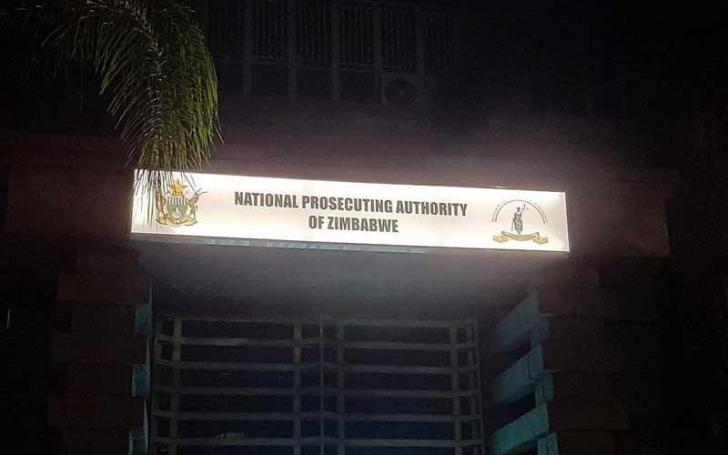
THE National Prosecuting Authority (NPA) has declined to prosecute Harare preacher Batsirai Java after determining that the criminal charge brought against him by police was legally incompetent.
Java, 43, had been arrested on November 12, 2026, by detectives from the Criminal Investigations Department's Law and Order section over allegations arising from a recorded telephone conversation involving journalist Everson Mushava.
The preacher was accused of publishing or communicating a false statement prejudicial to the State, in contravention of Section 31(b)(i)(C) of the Criminal Law (Codification and Reform) Act.
However, the case collapsed on Friday before Java could appear before a magistrate, after prosecutors declined to proceed with the charge.
According to sources familiar with the matter, Java spent less than an hour at the prosecutor's office at Harare Magistrates Court before the NPA decided against taking the case forward.
The decision brought the prosecution process to an end at that stage, although it did not amount to a judicial acquittal.
According to the police request for remand, the allegations stemmed from a telephone conversation between Java and Mushava reportedly recorded between May 25 and May 28, 2026.
The conversation was subsequently circulated on various social media platforms, attracting the attention of law enforcement authorities.
Police alleged that the two men made false claims concerning the political influence of prominent businessman Kudakwashe Tagwirei within President Emmerson Mnangagwa's administration.
The disputed statements allegedly suggested that Tagwirei had become a powerful political kingmaker with considerable influence over Government appointments and decision-making.
According to the police allegations, the conversation claimed that Tagwirei had acquired sufficient political influence to determine which ministers Mnangagwa could appoint or dismiss.
The two were also accused of suggesting that significant Government business was being conducted at the businessman's private residence rather than through established State institutions.
The allegations extended to claims that Cabinet ministers, senior police and military officers, Central Intelligence Organisation directors, army generals and senior members of the judiciary were being summoned to Tagwirei's residence to receive instructions.
These claims were allegations contained in the disputed conversation and were not established as facts.
Police maintained that the statements had been communicated despite allegedly being known to be false.
Investigators further alleged that their publication was intended to undermine public confidence in Zimbabwe's law enforcement agencies, prison service and Defence Forces.
Despite the allegations outlined in the police request for remand, prosecutors concluded that the charge preferred against Java was incompetent.
The NPA consequently declined to prosecute, preventing the matter from proceeding to a formal court appearance.
The decision represents a significant setback for the police investigation, which had resulted in Java's arrest two days earlier.
No detailed written explanation of the NPA's legal reasoning was provided in the account of Friday's proceedings.
It was also not immediately clear whether investigators intended to pursue any further action following the prosecutorial decision.
The case had attracted attention because of the politically sensitive nature of the allegations, which concerned the relationship between influential business figures and senior Government officials.
Tagwirei has featured prominently in Zimbabwe's political discourse amid debate about the influence of wealthy businesspeople within the ruling ZANU PF party and Government.
However, the allegations attributed to the recorded conversation remain unverified, and the NPA's decision not to prosecute Java does not establish their truth or falsity.
For Java, the decision means he will not face prosecution on the charge presented to the NPA.
The development also draws attention to the distinction between a police decision to arrest a suspect and the independent prosecutorial assessment required before criminal proceedings can be taken forward.
In this instance, prosecutors determined that the charge presented by investigators could not sustain a prosecution, bringing the case against the preacher to a halt before it reached a magistrate.
Java, 43, had been arrested on November 12, 2026, by detectives from the Criminal Investigations Department's Law and Order section over allegations arising from a recorded telephone conversation involving journalist Everson Mushava.
The preacher was accused of publishing or communicating a false statement prejudicial to the State, in contravention of Section 31(b)(i)(C) of the Criminal Law (Codification and Reform) Act.
However, the case collapsed on Friday before Java could appear before a magistrate, after prosecutors declined to proceed with the charge.
According to sources familiar with the matter, Java spent less than an hour at the prosecutor's office at Harare Magistrates Court before the NPA decided against taking the case forward.
The decision brought the prosecution process to an end at that stage, although it did not amount to a judicial acquittal.
According to the police request for remand, the allegations stemmed from a telephone conversation between Java and Mushava reportedly recorded between May 25 and May 28, 2026.
The conversation was subsequently circulated on various social media platforms, attracting the attention of law enforcement authorities.
Police alleged that the two men made false claims concerning the political influence of prominent businessman Kudakwashe Tagwirei within President Emmerson Mnangagwa's administration.
The disputed statements allegedly suggested that Tagwirei had become a powerful political kingmaker with considerable influence over Government appointments and decision-making.
According to the police allegations, the conversation claimed that Tagwirei had acquired sufficient political influence to determine which ministers Mnangagwa could appoint or dismiss.
The two were also accused of suggesting that significant Government business was being conducted at the businessman's private residence rather than through established State institutions.
The allegations extended to claims that Cabinet ministers, senior police and military officers, Central Intelligence Organisation directors, army generals and senior members of the judiciary were being summoned to Tagwirei's residence to receive instructions.
Police maintained that the statements had been communicated despite allegedly being known to be false.
Investigators further alleged that their publication was intended to undermine public confidence in Zimbabwe's law enforcement agencies, prison service and Defence Forces.
Despite the allegations outlined in the police request for remand, prosecutors concluded that the charge preferred against Java was incompetent.
The NPA consequently declined to prosecute, preventing the matter from proceeding to a formal court appearance.
The decision represents a significant setback for the police investigation, which had resulted in Java's arrest two days earlier.
No detailed written explanation of the NPA's legal reasoning was provided in the account of Friday's proceedings.
It was also not immediately clear whether investigators intended to pursue any further action following the prosecutorial decision.
The case had attracted attention because of the politically sensitive nature of the allegations, which concerned the relationship between influential business figures and senior Government officials.
Tagwirei has featured prominently in Zimbabwe's political discourse amid debate about the influence of wealthy businesspeople within the ruling ZANU PF party and Government.
However, the allegations attributed to the recorded conversation remain unverified, and the NPA's decision not to prosecute Java does not establish their truth or falsity.
For Java, the decision means he will not face prosecution on the charge presented to the NPA.
The development also draws attention to the distinction between a police decision to arrest a suspect and the independent prosecutorial assessment required before criminal proceedings can be taken forward.
In this instance, prosecutors determined that the charge presented by investigators could not sustain a prosecution, bringing the case against the preacher to a halt before it reached a magistrate.
Source - Zimlive
Join the discussion
Loading comments…