News / National
Mnangagwa exiles Chiwenga allies to embassies
15 mins ago |
44 Views
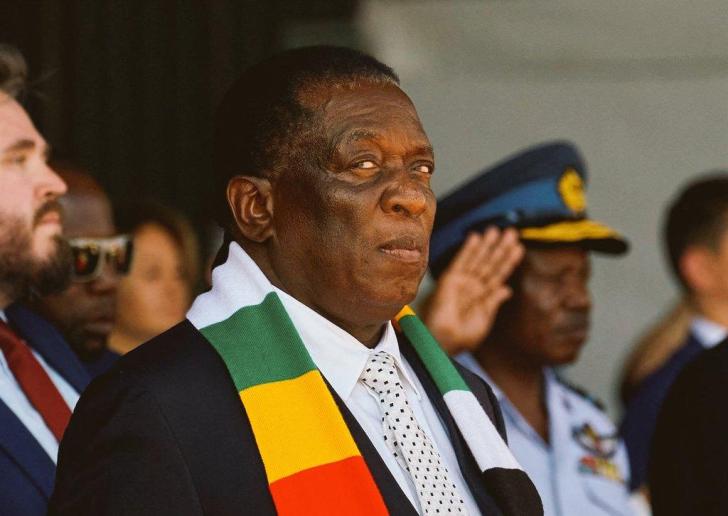
PRESIDENT Emmerson Mnangagwa is reportedly redeploying senior retired military commanders to diplomatic missions abroad in a move being interpreted as an attempt to weaken Vice-President Constantino Chiwenga's political support base amid growing tensions over ZANU PF's succession arrangements.
Among those reportedly earmarked for ambassadorial appointments are retired Major-General Mike Nicholas Sango, a former military intelligence director, and retired Lieutenant-General Engelbert Rugeje, both regarded as politically aligned with Chiwenga.
The proposed deployments come against the backdrop of disagreements over Constitutional Amendment No. 3, which seeks to reshape Zimbabwe's presidential electoral system and extend Mnangagwa's tenure from 2028 to 2030.
Sango is among nine retired senior military and intelligence figures who opposed the constitutional changes, arguing that the proposed reforms undermine principles associated with Zimbabwe's liberation struggle.
Rugeje, meanwhile, is reportedly being deployed to Tanzania to replace Zimbabwe's ambassador to Dar es Salaam, Helen Dingani.
Dingani assumed the diplomatic posting in April 2024, succeeding retired Lieutenant-General Anselem Sanyatwe, who returned to Zimbabwe to command the Zimbabwe National Army before being reassigned to the Sports Ministry in March 2025.
Initial reports had suggested that Rugeje would be posted to Mozambique to replace the late ambassador Victor Matemadanda, who died in June.
However, emerging information indicates that Tanzania has become his intended destination.
Rugeje reportedly resisted the diplomatic appointment before eventually agreeing to the redeployment, although these claims have not been independently confirmed.
The appointments are understood to form part of a wider diplomatic reshuffle involving approximately 26 positions.
Political observers cited in reports interpret the exercise as an attempt to reduce the influence of retired commanders associated with Chiwenga by relocating them away from Harare, where the ruling party's succession contest is unfolding.
However, no official confirmation has been provided that the appointments are intended to isolate the Vice-President or punish military figures who opposed the constitutional amendments.
The reported diplomatic reshuffle follows an unusual confrontation between Mnangagwa and a group of retired senior military officers earlier this year.
After Cabinet gazetted Constitutional Amendment Bill No. 3 in February, nine former security and intelligence officials mobilised against provisions they believed threatened Zimbabwe's democratic foundations.
The group included retired Lieutenant-General Martin Chedondo, retired Lieutenant-General Chris Mupande, retired Major-General Paul Chima, retired Major-General Etherton Shungu, retired Brigadier-General Livingstone Chineka, retired Brigadier-General Richman Ncube, Fred Mutanda, Sango and retired Air Vice-Marshal Henry Muchena.
Muchena publicly represented the group, which petitioned Parliament in March 2026 to register its objections.
Their concerns centred on proposals to extend presidential and parliamentary terms and replace direct presidential elections with a system under which Parliament would elect the President.
The former commanders argued that removing direct presidential elections would undermine the democratic aspirations of Zimbabwe's liberation struggle, which sought to give citizens a meaningful voice in choosing their political leadership.
They also warned that proceeding with significant constitutional changes without a national referendum could deepen political divisions and alienate sections of the electorate.
Following their petition, the retired officers secured meetings with Mnangagwa on May 18 and 19.
During the first meeting, they reportedly outlined their objections and urged the President to reconsider the proposed changes.
The following day, Mnangagwa was joined by Justice Minister Ziyambi Ziyambi and Attorney-General Virginia Mabhiza as the Government defended its position.
According to accounts of the meeting, Mnangagwa rejected warnings that the amendments could trigger political instability.
"Whoever wins, wins," he reportedly told the retired commanders.
The delegation also raised concerns about the welfare and employment opportunities available to former military officers.
The reported redeployments have attracted attention because of the historical influence of senior military figures within ZANU PF.
Several of the officers involved in the constitutional dispute were associated with the military establishment that played a central role in the November 2017 transition which brought Mnangagwa to power following Robert Mugabe's removal.
Their opposition to the constitutional amendments has therefore added a significant dimension to the debate over Mnangagwa's continued leadership and Chiwenga's political future.
Sango's reported return to diplomatic service is particularly notable because of his background in military intelligence and his association with the group that challenged the constitutional proposals.
Rugeje's proposed appointment to Tanzania has similarly prompted questions about whether the Government is using diplomatic assignments to manage internal political disagreements.
Diplomatic appointments are ordinarily made as part of a government's foreign policy and administrative responsibilities. However, their timing and the political backgrounds of the individuals involved have fuelled speculation about their possible domestic implications.
The Mozambique posting initially associated with Rugeje had also attracted attention following the deaths of two former military officers who served as ambassadors in Maputo.
Retired Lieutenant-General Douglas Nyikayaramba died in 2021, while his successor, Matemadanda, died in June 2026.
Some political circles have consequently attached an ominous reputation to the posting, although the deaths do not establish any connection to the diplomatic assignment itself.
The developments come as ZANU PF continues to grapple with competing positions on the proposed extension of Mnangagwa's presidency to 2030.
Chiwenga has been associated with opposition to aspects of the constitutional changes, while Mnangagwa's supporters have maintained that the party should implement resolutions adopted through its structures.
The disagreement has intensified scrutiny of the relationship between the President, his deputy and influential figures within Zimbabwe's security establishment.
The reported ambassadorial appointments could alter the domestic roles of some retired commanders, although their actual political impact remains uncertain.
Neither the Presidency nor the individuals reportedly affected have publicly confirmed that the diplomatic appointments are connected to the succession dispute.
For now, the reported reshuffle adds another dimension to ZANU PF's internal contest, with constitutional reform, military influence and presidential succession remaining closely intertwined.
Among those reportedly earmarked for ambassadorial appointments are retired Major-General Mike Nicholas Sango, a former military intelligence director, and retired Lieutenant-General Engelbert Rugeje, both regarded as politically aligned with Chiwenga.
The proposed deployments come against the backdrop of disagreements over Constitutional Amendment No. 3, which seeks to reshape Zimbabwe's presidential electoral system and extend Mnangagwa's tenure from 2028 to 2030.
Sango is among nine retired senior military and intelligence figures who opposed the constitutional changes, arguing that the proposed reforms undermine principles associated with Zimbabwe's liberation struggle.
Rugeje, meanwhile, is reportedly being deployed to Tanzania to replace Zimbabwe's ambassador to Dar es Salaam, Helen Dingani.
Dingani assumed the diplomatic posting in April 2024, succeeding retired Lieutenant-General Anselem Sanyatwe, who returned to Zimbabwe to command the Zimbabwe National Army before being reassigned to the Sports Ministry in March 2025.
Initial reports had suggested that Rugeje would be posted to Mozambique to replace the late ambassador Victor Matemadanda, who died in June.
However, emerging information indicates that Tanzania has become his intended destination.
Rugeje reportedly resisted the diplomatic appointment before eventually agreeing to the redeployment, although these claims have not been independently confirmed.
The appointments are understood to form part of a wider diplomatic reshuffle involving approximately 26 positions.
Political observers cited in reports interpret the exercise as an attempt to reduce the influence of retired commanders associated with Chiwenga by relocating them away from Harare, where the ruling party's succession contest is unfolding.
However, no official confirmation has been provided that the appointments are intended to isolate the Vice-President or punish military figures who opposed the constitutional amendments.
The reported diplomatic reshuffle follows an unusual confrontation between Mnangagwa and a group of retired senior military officers earlier this year.
After Cabinet gazetted Constitutional Amendment Bill No. 3 in February, nine former security and intelligence officials mobilised against provisions they believed threatened Zimbabwe's democratic foundations.
The group included retired Lieutenant-General Martin Chedondo, retired Lieutenant-General Chris Mupande, retired Major-General Paul Chima, retired Major-General Etherton Shungu, retired Brigadier-General Livingstone Chineka, retired Brigadier-General Richman Ncube, Fred Mutanda, Sango and retired Air Vice-Marshal Henry Muchena.
Muchena publicly represented the group, which petitioned Parliament in March 2026 to register its objections.
Their concerns centred on proposals to extend presidential and parliamentary terms and replace direct presidential elections with a system under which Parliament would elect the President.
The former commanders argued that removing direct presidential elections would undermine the democratic aspirations of Zimbabwe's liberation struggle, which sought to give citizens a meaningful voice in choosing their political leadership.
They also warned that proceeding with significant constitutional changes without a national referendum could deepen political divisions and alienate sections of the electorate.
Following their petition, the retired officers secured meetings with Mnangagwa on May 18 and 19.
The following day, Mnangagwa was joined by Justice Minister Ziyambi Ziyambi and Attorney-General Virginia Mabhiza as the Government defended its position.
According to accounts of the meeting, Mnangagwa rejected warnings that the amendments could trigger political instability.
"Whoever wins, wins," he reportedly told the retired commanders.
The delegation also raised concerns about the welfare and employment opportunities available to former military officers.
The reported redeployments have attracted attention because of the historical influence of senior military figures within ZANU PF.
Several of the officers involved in the constitutional dispute were associated with the military establishment that played a central role in the November 2017 transition which brought Mnangagwa to power following Robert Mugabe's removal.
Their opposition to the constitutional amendments has therefore added a significant dimension to the debate over Mnangagwa's continued leadership and Chiwenga's political future.
Sango's reported return to diplomatic service is particularly notable because of his background in military intelligence and his association with the group that challenged the constitutional proposals.
Rugeje's proposed appointment to Tanzania has similarly prompted questions about whether the Government is using diplomatic assignments to manage internal political disagreements.
Diplomatic appointments are ordinarily made as part of a government's foreign policy and administrative responsibilities. However, their timing and the political backgrounds of the individuals involved have fuelled speculation about their possible domestic implications.
The Mozambique posting initially associated with Rugeje had also attracted attention following the deaths of two former military officers who served as ambassadors in Maputo.
Retired Lieutenant-General Douglas Nyikayaramba died in 2021, while his successor, Matemadanda, died in June 2026.
Some political circles have consequently attached an ominous reputation to the posting, although the deaths do not establish any connection to the diplomatic assignment itself.
The developments come as ZANU PF continues to grapple with competing positions on the proposed extension of Mnangagwa's presidency to 2030.
Chiwenga has been associated with opposition to aspects of the constitutional changes, while Mnangagwa's supporters have maintained that the party should implement resolutions adopted through its structures.
The disagreement has intensified scrutiny of the relationship between the President, his deputy and influential figures within Zimbabwe's security establishment.
The reported ambassadorial appointments could alter the domestic roles of some retired commanders, although their actual political impact remains uncertain.
Neither the Presidency nor the individuals reportedly affected have publicly confirmed that the diplomatic appointments are connected to the succession dispute.
For now, the reported reshuffle adds another dimension to ZANU PF's internal contest, with constitutional reform, military influence and presidential succession remaining closely intertwined.
Source - online
Join the discussion
Loading comments…