News / National
Zimbabwe's sewage crisis deepens
17 mins ago |
40 Views
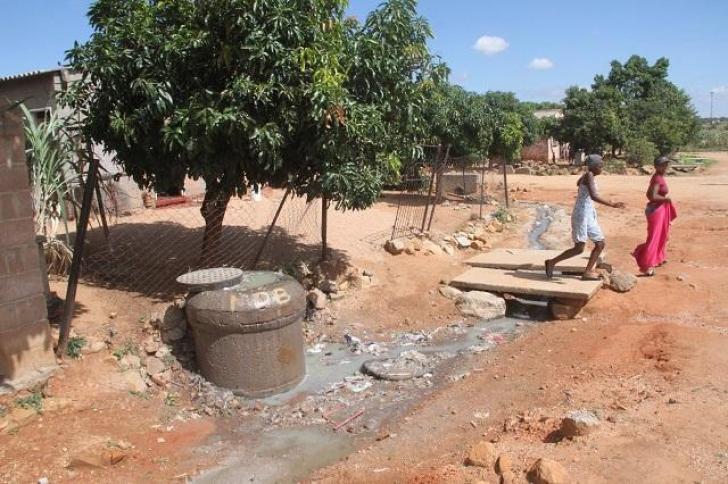
ZIMBABWE is facing a worsening sewage pollution crisis, with an estimated 415 million litres of raw and partially treated wastewater being discharged into the environment every day, raising fears of contaminated drinking water and outbreaks of waterborne diseases.
The alarming figures, attributed to the Environmental Management Agency (EMA), have exposed the deteriorating state of municipal sanitation infrastructure as local authorities come under increasing legal pressure to address persistent sewage spillages.
ZANU PF's Department of Health, Child Welfare and the Elderly has warned that recurring sewer bursts, particularly in densely populated residential areas, pose a serious threat to public health.
Presenting the department's report at the ruling party's 23rd National People's Conference, Health Minister Dr Douglas Mombeshora raised concerns about sewage contamination of boreholes, rivers and other water sources used by communities.
The report identified recurrent sewage spillages in high-density suburbs as a major public health concern requiring urgent intervention.
It specifically highlighted the "possible contamination of nearby boreholes and surface water" and the associated danger of diarrhoeal disease outbreaks.
The warnings come amid growing concern that ageing sewer networks, inadequate wastewater treatment capacity and repeated infrastructure failures are exposing residents to untreated sewage.
Communities relying on boreholes and other alternative water sources could face heightened risks where sewage enters groundwater or nearby surface water systems.
The potential health consequences include outbreaks of cholera, typhoid and other diarrhoeal diseases associated with contaminated water, although the report did not establish that the reported spillages had caused specific outbreaks.
The growing sanitation crisis has also attracted judicial intervention, with the High Court issuing orders against two major urban local authorities over the discharge of untreated sewage.
On September 30, 2026, the court ordered Chitungwiza Municipality to stop releasing raw and untreated sewage into water sources and the surrounding environment.
Two days later, on October 2, a similar order was issued against the City of Harare.
The rulings have intensified pressure on municipal authorities to address sewage pollution and ensure that wastewater is properly treated before being released into the environment.
They also underscore the environmental and public health obligations of local councils responsible for managing sewer networks and wastewater treatment facilities.
The scale of the problem is particularly concerning given EMA's estimate that approximately 415 million litres of untreated and partially treated sewage enter the environment every day.
Such volumes present a significant challenge to environmental protection efforts and the safety of water resources, especially in urban areas where residential settlements are situated close to polluted streams and drainage systems.
According to the report presented by Mombeshora, ZANU PF's health department has initiated engagements with municipal authorities to identify sewage pollution hotspots and encourage coordinated interventions.
The department has already engaged Harare Municipality's health services and undertaken field visits to examine sewage treatment operations and waterworks.
These engagements included discussions about recurring sewer blockages, pollution hotspots and the need for broader cooperation among stakeholders.
The report highlighted the importance of bringing together health authorities, municipal officials and other relevant institutions to develop practical responses to sanitation challenges.
The initiative has since been extended to Chinhoyi, while Mutare and Bulawayo have been identified as the next cities requiring attention.
The planned engagements are intended to improve coordination and identify measures to reduce sewage spillages and protect vulnerable communities.
Mombeshora emphasised the importance of stronger cooperation between health authorities and local councils, particularly in preventing disease outbreaks associated with inadequate sanitation.
The recurring discharge of untreated sewage has raised particular concern about the safety of water sources used by residents in high-density communities.
Where sewer lines burst or wastewater flows into residential areas, nearby boreholes and surface water sources may become contaminated, depending on local conditions.
The risks are especially significant for households that rely on alternative water supplies when municipal water provision is unreliable.
Public health authorities have consequently identified the prevention of sewage-related contamination as an important component of efforts to reduce the spread of waterborne diseases.
The situation also highlights the need for effective wastewater treatment, routine maintenance of sewer networks and timely repairs when infrastructure failures occur.
While the High Court orders against Harare and Chitungwiza have established clear obligations to address sewage pollution, sustained improvements will depend on practical implementation by the affected municipalities.
The latest warnings have brought renewed attention to Zimbabwe's sanitation infrastructure and the need for coordinated action to prevent further environmental contamination.
With hundreds of millions of litres of sewage reportedly entering the environment each day, the challenge extends beyond municipal service delivery to the protection of public health and water resources.
The interventions being pursued in Harare, Chinhoyi and other cities are expected to place greater emphasis on identifying pollution hotspots and preventing sewage from reaching communities' water supplies.
Source - ZiFM Stereo
Join the discussion
Loading comments…





