News / National
Harare govt imposes Geo Pomona on Bulawayo
11 Sep 2026 at 12:02hrs |
0 Views
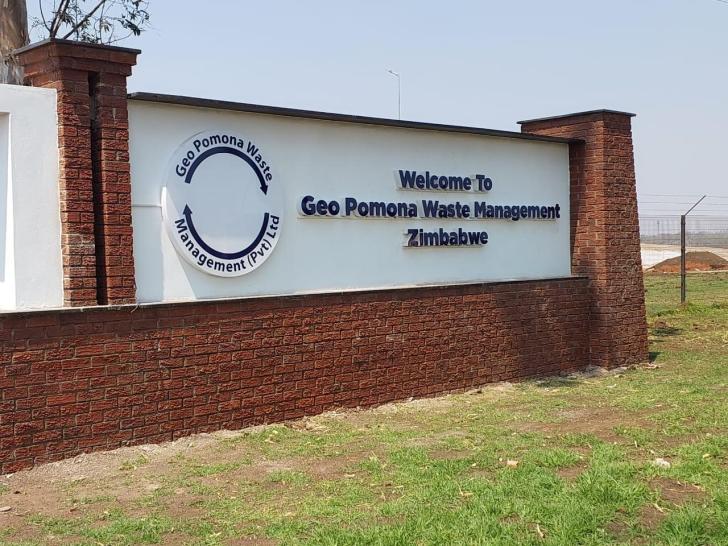
The government has ordered the City of Bulawayo to engage Geo Pomona for waste management, abruptly ending the local authority's independent search for a private company to provide the service.
Local Government Minister Daniel Garwe delivered the directive during a visit to Bulawayo on Thursday, accompanied by Geo Pomona chief executive Dilesh Nguwaya and United Nations Resident Coordinator in Zimbabwe Rosemary Kalapurakal.
Garwe told Bulawayo mayor David Coltart and town clerk Christopher Dube that Geo Pomona would take over the city's waste management operations regardless of whether the council agreed to the arrangement.
He said Cabinet had approved the replication of the Geo Pomona model, which is being implemented in Harare, across the country's cities.
"There is a precedent in terms of the law that has been set. Cabinet made a decision that a private project be implemented in the city of Harare," Garwe said.
"Once that private project has become successful, we replicate it here and you have no authority whatsoever to resist a Cabinet decision."
Garwe warned that central government would intervene directly if the council failed to implement the directive.
Bulawayo had previously invited companies to submit expressions of interest for waste management services, attracting bids from several local firms. However, the process stalled after the Zimbabwe Investment and Development Agency (ZIDA) advised the city to first conduct a feasibility study.
Some council officials have reportedly raised concerns that the delays may have been intended to create an opportunity for Geo Pomona to take over the project.
The government's intervention comes amid growing concern over pollution from the burning of waste at Ngozi Mine, the city's main dumpsite near Cowdray Park and Richmond.
The site frequently produces thick black smoke that blankets surrounding communities, including Luveve and Emakhandeni.
Garwe said President Emmerson Mnangagwa had taken a personal interest in the situation and demanded an urgent solution.
"We came here with clear instructions from my principal that the Ngozi Mine situation is now of great concern to the President and solutions must be provided now," he said.
Garwe said the government wanted to replicate what it described as the successful transformation of Harare's waste management system in Bulawayo and other cities.
In Harare, the government directed the city to engage Geo Pomona under a 30-year agreement. The company has reportedly been charging up to US$40,000 a day, or at least US$2.7 million a month, for waste collection.
When Harare indicated that it could not afford the costs, the government proposed redirecting part of the city's devolution funds to pay Geo Pomona.
Garwe described Geo Pomona as a "tried and tested institution" and said there was no need for Bulawayo to undertake another competitive bidding process.
He said the council could still conduct a feasibility study to determine the scope and design of the city's waste management system, but central government had already decided that Geo Pomona should begin work as early as October.
"You can go ahead and get the feasibility study, but in central government we are telling you now, unequivocally, we are going ahead, ensuring that we engage the company to do the work," Garwe said.
He added that ZIDA would provide advice but would not prevent the government from proceeding with its chosen model.
Garwe gave the council one week to finalise and sign an agreement with Geo Pomona.
"I want to see the memorandum of agreement next week for signature," he said.
Nguwaya said the company would prioritise employing people from Bulawayo, including waste pickers currently living at Ngozi Mine.
He said Geo Pomona also intended to absorb the council's existing waste collectors.
"Importing labour from Harare would be too expensive for us anyway. Our model is to absorb the council's waste collectors and also the people that survive from Ngozi Mine who would have to move once we come in," Nguwaya said.
He said the company was ready to begin clearing and processing waste at Ngozi Mine once an agreement was signed.
"We are going to start by mining the dump as soon as we sign the Memorandum of Understanding with the city fathers. We have the equipment and capacity, and we are ready to do the work," he said.
Local Government Minister Daniel Garwe delivered the directive during a visit to Bulawayo on Thursday, accompanied by Geo Pomona chief executive Dilesh Nguwaya and United Nations Resident Coordinator in Zimbabwe Rosemary Kalapurakal.
Garwe told Bulawayo mayor David Coltart and town clerk Christopher Dube that Geo Pomona would take over the city's waste management operations regardless of whether the council agreed to the arrangement.
He said Cabinet had approved the replication of the Geo Pomona model, which is being implemented in Harare, across the country's cities.
"There is a precedent in terms of the law that has been set. Cabinet made a decision that a private project be implemented in the city of Harare," Garwe said.
"Once that private project has become successful, we replicate it here and you have no authority whatsoever to resist a Cabinet decision."
Garwe warned that central government would intervene directly if the council failed to implement the directive.
Bulawayo had previously invited companies to submit expressions of interest for waste management services, attracting bids from several local firms. However, the process stalled after the Zimbabwe Investment and Development Agency (ZIDA) advised the city to first conduct a feasibility study.
Some council officials have reportedly raised concerns that the delays may have been intended to create an opportunity for Geo Pomona to take over the project.
The government's intervention comes amid growing concern over pollution from the burning of waste at Ngozi Mine, the city's main dumpsite near Cowdray Park and Richmond.
The site frequently produces thick black smoke that blankets surrounding communities, including Luveve and Emakhandeni.
Garwe said President Emmerson Mnangagwa had taken a personal interest in the situation and demanded an urgent solution.
"We came here with clear instructions from my principal that the Ngozi Mine situation is now of great concern to the President and solutions must be provided now," he said.
In Harare, the government directed the city to engage Geo Pomona under a 30-year agreement. The company has reportedly been charging up to US$40,000 a day, or at least US$2.7 million a month, for waste collection.
When Harare indicated that it could not afford the costs, the government proposed redirecting part of the city's devolution funds to pay Geo Pomona.
Garwe described Geo Pomona as a "tried and tested institution" and said there was no need for Bulawayo to undertake another competitive bidding process.
He said the council could still conduct a feasibility study to determine the scope and design of the city's waste management system, but central government had already decided that Geo Pomona should begin work as early as October.
"You can go ahead and get the feasibility study, but in central government we are telling you now, unequivocally, we are going ahead, ensuring that we engage the company to do the work," Garwe said.
He added that ZIDA would provide advice but would not prevent the government from proceeding with its chosen model.
Garwe gave the council one week to finalise and sign an agreement with Geo Pomona.
"I want to see the memorandum of agreement next week for signature," he said.
Nguwaya said the company would prioritise employing people from Bulawayo, including waste pickers currently living at Ngozi Mine.
He said Geo Pomona also intended to absorb the council's existing waste collectors.
"Importing labour from Harare would be too expensive for us anyway. Our model is to absorb the council's waste collectors and also the people that survive from Ngozi Mine who would have to move once we come in," Nguwaya said.
He said the company was ready to begin clearing and processing waste at Ngozi Mine once an agreement was signed.
"We are going to start by mining the dump as soon as we sign the Memorandum of Understanding with the city fathers. We have the equipment and capacity, and we are ready to do the work," he said.
Source - zimlive
Join the discussion
Loading comments…



