News / National
Gwayi-Shangani pipeline could take 217 years at current funding rate
17 Sep 2026 at 16:59hrs |
0 Views
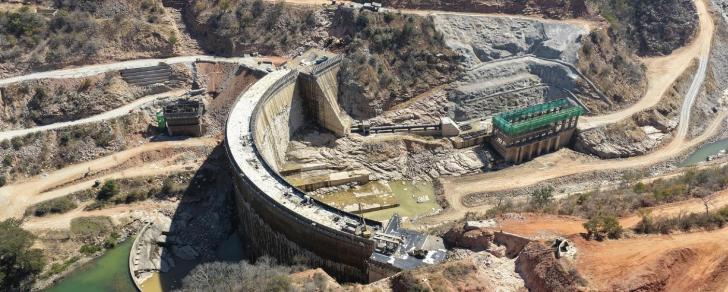
The construction of the long-awaited 252-kilometre Gwayi-Shangani-Bulawayo pipeline could take more than two centuries to complete if Government continues funding the project at last year's rate, Bulawayo Mayor David Coltart has warned.
Coltart raised the concern after reports that construction of the 10-megawatt Gwayi-Shangani mini-hydropower station in Matabeleland North is progressing, with civil works expected to be completed by the end of the current reporting year.
While welcoming progress at the power station, Coltart said Bulawayo's immediate priority was the pipeline, which is designed to transport raw water from Gwayi-Shangani Dam to the city.
"Wonderful news but from a City of Bulawayo perspective our real interest is in the construction of the 252 km pipeline," Coltart said on X.
The mayor said a recent Zimbabwe National Water Authority report put the pipeline's cost at US$543 million, while concerns remained over how the project would be financed.
"Last year the government spent some US$2,5 million on the pipeline. If that disbursement rate isn't improved it will take 217 years to build the pipeline," he said.
The warning highlights the significant funding gap facing the National Matabeleland Zambezi Water Project (NMZWP), particularly as construction of the dam itself has progressed faster than the infrastructure required to deliver its water to Bulawayo.
A project progress report dated July 10, 2026, cited by CITE, put the combined value of four major contracts covering the pipeline, pump stations, water treatment plant and pipe supply at US$554.44 million.
The pipeline contract was valued at US$175.14 million, while the pump stations, water treatment plant and pipe supply contracts were valued at US$167.73 million, US$81.25 million and US$130.33 million respectively.
Despite the scale of the contracts, the July report indicated that the pipeline was only 16 percent complete, while the booster pump stations stood at 18 percent.
The pipeline was awarded to 12 contractors in March 2022, with each allocated approximately 21 kilometres. However, construction stalled later that year because of inconsistent funding.
Once completed, the pipeline is expected to deliver about 220 megalitres of water per day to Bulawayo, making it a critical link between Gwayi-Shangani Dam and the city.
The 2026 Zimbabwe Infrastructure Investment Programme reported that US$25.3 million had been allocated towards construction of Gwayi-Shangani Dam during 2025, when the dam was reported to be 72.4 percent complete.
Government projected completion of the dam in 2026, supported by a ZiG273 million allocation, although the wider NMZWP continues to face financing constraints.
In the 2025 National Budget, Treasury allocated ZiG1 billion to the Gwayi-Shangani project, including ZiG700 million for the dam and ZiG282 million for the Bulawayo pipeline.
For 2026, ZiG273 million was allocated specifically to Gwayi-Shangani, while the infrastructure programme listed a further ZiG30 million for the pipeline and ZiG30 million for the booster pump station.
Government has previously sought to accelerate the project through monthly Treasury disbursements. President Emmerson Mnangagwa directed Treasury to release US$5 million a month towards strategic dam projects, with Treasury subsequently reporting that US$2.39 million had been channelled towards the Gwayi-Shangani pipeline compared with US$25.3 million for the dam.
The latest project report indicated that about US$4 million a month was currently sufficient only to cater for the dam wall. It recommended increasing monthly funding to US$8 million to accommodate other components, including the mini-hydropower station and low-lift pumping stations.
Meanwhile, construction of the 10MW mini-hydropower station is reportedly 75 percent complete, with civil works expected to be finished during the current reporting year before installation of electro-mechanical equipment begins.
Assistant Resident Engineer for the Gwayi-Shangani Lake Project, Engineer Joakim Banda, said the civil works were progressing towards completion.
"With regard to the mini-hydro, we are currently at 75 percent completion. This is towards the civil works. We are looking at completing all the civil works within the current reporting year, with installation of electro-mechanicals to follow in the next reporting year," Banda was quoted as saying.
The mini-hydro station forms part of the wider Gwayi-Shangani Lake development, which is intended to strengthen water security while supporting irrigation and industrial development in Matabeleland.
However, completion of the dam alone will not immediately resolve Bulawayo's water challenges. The pipeline, pumping stations and treatment plant must also be completed and adequately funded before water can be delivered to the city.
The Gwayi-Shangani scheme has its origins in plans first proposed more than a century ago and remains one of the Government's major infrastructure projects for Matabeleland.
The latest project report also cited logistical challenges, including the poor condition of the Bulawayo-Victoria Falls highway, which has contributed to breakdowns of heavy vehicles transporting construction materials.
Coltart raised the concern after reports that construction of the 10-megawatt Gwayi-Shangani mini-hydropower station in Matabeleland North is progressing, with civil works expected to be completed by the end of the current reporting year.
While welcoming progress at the power station, Coltart said Bulawayo's immediate priority was the pipeline, which is designed to transport raw water from Gwayi-Shangani Dam to the city.
"Wonderful news but from a City of Bulawayo perspective our real interest is in the construction of the 252 km pipeline," Coltart said on X.
The mayor said a recent Zimbabwe National Water Authority report put the pipeline's cost at US$543 million, while concerns remained over how the project would be financed.
"Last year the government spent some US$2,5 million on the pipeline. If that disbursement rate isn't improved it will take 217 years to build the pipeline," he said.
The warning highlights the significant funding gap facing the National Matabeleland Zambezi Water Project (NMZWP), particularly as construction of the dam itself has progressed faster than the infrastructure required to deliver its water to Bulawayo.
A project progress report dated July 10, 2026, cited by CITE, put the combined value of four major contracts covering the pipeline, pump stations, water treatment plant and pipe supply at US$554.44 million.
The pipeline contract was valued at US$175.14 million, while the pump stations, water treatment plant and pipe supply contracts were valued at US$167.73 million, US$81.25 million and US$130.33 million respectively.
Despite the scale of the contracts, the July report indicated that the pipeline was only 16 percent complete, while the booster pump stations stood at 18 percent.
The pipeline was awarded to 12 contractors in March 2022, with each allocated approximately 21 kilometres. However, construction stalled later that year because of inconsistent funding.
Once completed, the pipeline is expected to deliver about 220 megalitres of water per day to Bulawayo, making it a critical link between Gwayi-Shangani Dam and the city.
The 2026 Zimbabwe Infrastructure Investment Programme reported that US$25.3 million had been allocated towards construction of Gwayi-Shangani Dam during 2025, when the dam was reported to be 72.4 percent complete.
Government projected completion of the dam in 2026, supported by a ZiG273 million allocation, although the wider NMZWP continues to face financing constraints.
In the 2025 National Budget, Treasury allocated ZiG1 billion to the Gwayi-Shangani project, including ZiG700 million for the dam and ZiG282 million for the Bulawayo pipeline.
For 2026, ZiG273 million was allocated specifically to Gwayi-Shangani, while the infrastructure programme listed a further ZiG30 million for the pipeline and ZiG30 million for the booster pump station.
Government has previously sought to accelerate the project through monthly Treasury disbursements. President Emmerson Mnangagwa directed Treasury to release US$5 million a month towards strategic dam projects, with Treasury subsequently reporting that US$2.39 million had been channelled towards the Gwayi-Shangani pipeline compared with US$25.3 million for the dam.
The latest project report indicated that about US$4 million a month was currently sufficient only to cater for the dam wall. It recommended increasing monthly funding to US$8 million to accommodate other components, including the mini-hydropower station and low-lift pumping stations.
Meanwhile, construction of the 10MW mini-hydropower station is reportedly 75 percent complete, with civil works expected to be finished during the current reporting year before installation of electro-mechanical equipment begins.
Assistant Resident Engineer for the Gwayi-Shangani Lake Project, Engineer Joakim Banda, said the civil works were progressing towards completion.
"With regard to the mini-hydro, we are currently at 75 percent completion. This is towards the civil works. We are looking at completing all the civil works within the current reporting year, with installation of electro-mechanicals to follow in the next reporting year," Banda was quoted as saying.
The mini-hydro station forms part of the wider Gwayi-Shangani Lake development, which is intended to strengthen water security while supporting irrigation and industrial development in Matabeleland.
However, completion of the dam alone will not immediately resolve Bulawayo's water challenges. The pipeline, pumping stations and treatment plant must also be completed and adequately funded before water can be delivered to the city.
The Gwayi-Shangani scheme has its origins in plans first proposed more than a century ago and remains one of the Government's major infrastructure projects for Matabeleland.
The latest project report also cited logistical challenges, including the poor condition of the Bulawayo-Victoria Falls highway, which has contributed to breakdowns of heavy vehicles transporting construction materials.
Source - Cite
Join the discussion
Loading comments…


