News / National
£10,000 Zimbabwe national team call-up bribes exposed
11 mins ago |
41 Views
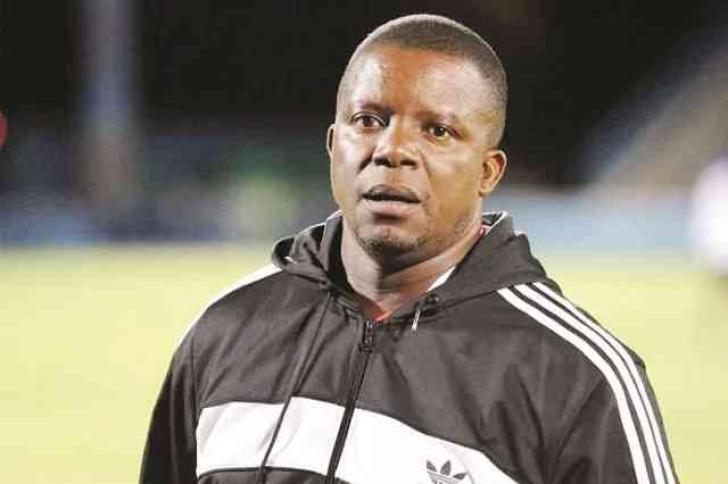
FORMER Warriors assistant coach Bongani Mafu has made explosive allegations that some parents and football agents have offered thousands of pounds to secure national team appearances for overseas-based players, raising fresh concerns about the integrity of Zimbabwe's football selection process.
Mafu claims he was personally offered £10,000 by parents based in England to facilitate their children's inclusion in the national team during his tenure as assistant to former Warriors coach Baltemar José de Oliveira Brito.
His revelations come amid growing criticism of the Zimbabwe Under-23 team's selection policy following a humiliating 3-0 defeat to Mali at the National Sports Stadium in Harare last Wednesday.
The defeat dealt a major blow to the Young Warriors' hopes of qualifying for the 2028 Los Angeles Olympic Games and reignited debate over the preference for diaspora-based players ahead of footballers competing in Zimbabwe's domestic Premier Soccer League.
Speaking on the DiasBhora podcast hosted by former NewsDay sports journalist Sakheleni Nxumalo, Mafu alleged that some individuals were prepared to pay substantial sums to obtain international appearances that could improve players' professional prospects.
"Remember I was part of the national team and I can tell you what happens. When I was there, I have got parents from England who phoned me and offered me £10 000 to get their kids into the national team," Mafu said.
He explained that an international appearance could enhance a player's career opportunities, particularly when seeking professional contracts abroad.
"So, these kids and their agents – not all of them, some of them – buy their way in there so that they get a cap and they get a contract to play professional football," he alleged.
Mafu did not identify the individuals who allegedly approached him or provide evidence establishing that any player had successfully purchased a national team appearance.
His allegations have not been independently substantiated, and it remains unclear whether they were formally reported to the Zimbabwe Football Association (Zifa).
The claims have nevertheless intensified scrutiny of the criteria used to select players for national duty.
The controversy comes as Zifa pursues its ambitious 2030 Vision, which includes qualification for the 2030 FIFA World Cup.
Source - online
Join the discussion
Loading comments…