Opinion / Columnist
Mnangagwa's 2030 ambition 1 signature away
30 Jun 2026 at 16:48hrs |
0 Views
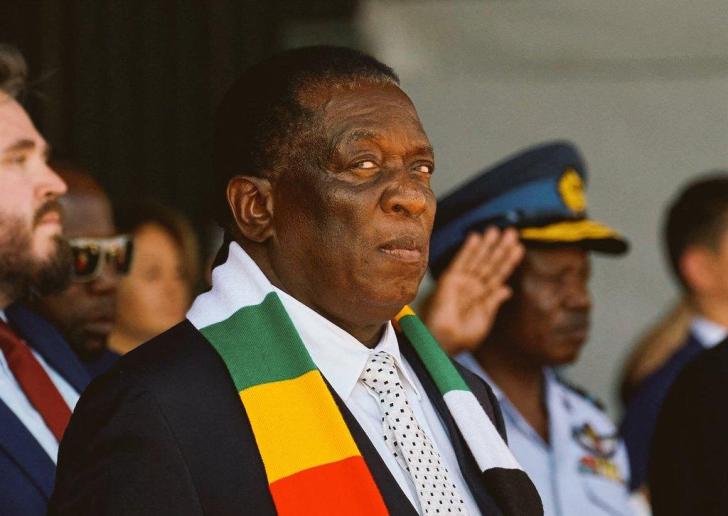
President Emmerson Mnangagwa is now one signature away from securing an extension of his stay in office to 2030 after Parliament approved the controversial Constitutional Amendment Bill No. 3.
The Bill, which passed both houses of Parliament, introduces sweeping constitutional changes, including extending the presidential term from five years to seven years and removing the requirement for a direct presidential election in the event of a vacancy. Instead, Parliament would assume the power to determine who succeeds a sitting president before the next general election.
If signed into law by President Mnangagwa, the legislation will pave the way for his current term to be extended by two years, allowing him to remain in office until 2030.
The development is widely viewed as a major political setback for Vice President Constantino Chiwenga, whose prospects of succeeding Mnangagwa are expected to diminish significantly under the proposed constitutional framework.
The process of reshaping Zimbabwe's succession framework began with Constitutional Amendment Bill No. 2 in 2021, which removed the running mate clause. That provision had guaranteed that a vice president would automatically assume the presidency if the office became vacant through death, resignation or incapacity.
Its removal transferred greater control over succession to the sitting president.
Constitutional Amendment Bill No. 3 deepens those changes by providing that Parliament, rather than the electorate or an automatically designated vice president, will determine who assumes the presidency should a vacancy arise before the end of a presidential term.
With Parliament having completed its legislative role, the only remaining step before the amendments take effect is presidential assent.
Unless the Bill is blocked through legal action or an extraordinary political development, the constitutional changes are expected to become law once President Mnangagwa signs the legislation.
However, the Bill remains the subject of intense legal and constitutional debate.
Opponents argue that several of its provisions cannot lawfully take effect without first being approved by Zimbabweans through a national referendum, as required by the Constitution.
The government rejects that interpretation. Justice Minister Ziyambi Ziyambi and the Attorney General of Zimbabwe maintain that Parliament has the constitutional authority to enact the amendments without a referendum.
The dispute is expected to return to the courts.
Earlier legal challenges were dismissed on procedural grounds after judges ruled that the parliamentary process had not yet been completed and that any constitutional challenge was therefore premature.
Now that Parliament has approved the Bill and it awaits presidential assent, opponents are expected to revive their legal challenge, with the judiciary set to determine whether the Constitution requires a referendum before the amendments can take effect.
The court's eventual ruling is likely to become one of the most consequential constitutional decisions in Zimbabwe's recent history, determining not only the future of Constitutional Amendment Bill No. 3 but also the legality of extending President Mnangagwa's tenure beyond 2028.
Parliament's voting record has also attracted significant public attention. Members of Parliament who opposed Constitutional Amendment Bill No. 3 were identified by their recorded votes. Opposition legislators Gladys Hlatshwayo and Caston Matewu, who served as tellers during the division, were not marked among those opposing the Bill in the voting record because of their procedural role. However, both also voted against the legislation.
The Bill, which passed both houses of Parliament, introduces sweeping constitutional changes, including extending the presidential term from five years to seven years and removing the requirement for a direct presidential election in the event of a vacancy. Instead, Parliament would assume the power to determine who succeeds a sitting president before the next general election.
If signed into law by President Mnangagwa, the legislation will pave the way for his current term to be extended by two years, allowing him to remain in office until 2030.
The development is widely viewed as a major political setback for Vice President Constantino Chiwenga, whose prospects of succeeding Mnangagwa are expected to diminish significantly under the proposed constitutional framework.
The process of reshaping Zimbabwe's succession framework began with Constitutional Amendment Bill No. 2 in 2021, which removed the running mate clause. That provision had guaranteed that a vice president would automatically assume the presidency if the office became vacant through death, resignation or incapacity.
Its removal transferred greater control over succession to the sitting president.
Constitutional Amendment Bill No. 3 deepens those changes by providing that Parliament, rather than the electorate or an automatically designated vice president, will determine who assumes the presidency should a vacancy arise before the end of a presidential term.
With Parliament having completed its legislative role, the only remaining step before the amendments take effect is presidential assent.
Unless the Bill is blocked through legal action or an extraordinary political development, the constitutional changes are expected to become law once President Mnangagwa signs the legislation.
However, the Bill remains the subject of intense legal and constitutional debate.
Opponents argue that several of its provisions cannot lawfully take effect without first being approved by Zimbabweans through a national referendum, as required by the Constitution.
The government rejects that interpretation. Justice Minister Ziyambi Ziyambi and the Attorney General of Zimbabwe maintain that Parliament has the constitutional authority to enact the amendments without a referendum.
The dispute is expected to return to the courts.
Earlier legal challenges were dismissed on procedural grounds after judges ruled that the parliamentary process had not yet been completed and that any constitutional challenge was therefore premature.
Now that Parliament has approved the Bill and it awaits presidential assent, opponents are expected to revive their legal challenge, with the judiciary set to determine whether the Constitution requires a referendum before the amendments can take effect.
The court's eventual ruling is likely to become one of the most consequential constitutional decisions in Zimbabwe's recent history, determining not only the future of Constitutional Amendment Bill No. 3 but also the legality of extending President Mnangagwa's tenure beyond 2028.
Parliament's voting record has also attracted significant public attention. Members of Parliament who opposed Constitutional Amendment Bill No. 3 were identified by their recorded votes. Opposition legislators Gladys Hlatshwayo and Caston Matewu, who served as tellers during the division, were not marked among those opposing the Bill in the voting record because of their procedural role. However, both also voted against the legislation.
Source - byo24news
All articles and letters published on Bulawayo24 have been independently written by members of Bulawayo24's community. The views of users published on Bulawayo24 are therefore their own and do not necessarily represent the views of Bulawayo24. Bulawayo24 editors also reserve the right to edit or delete any and all comments received.
Join the discussion
Loading comments…





