News / National
CAB3 constitutional changes are now 'water under the bridge'
14 Aug 2026 at 15:27hrs |
0 Views
Bulawayo-based prominent lawyer Nqobani Sithole says Zimbabwe's recently enacted constitutional amendments are now effectively a "done deal" and challenging them in court would be a difficult task, despite his continued view that the process breached Section 328 of the Constitution.
Sithole initially represented Matabeleland pressure group Ibhetshu LikaZulu and its coordinator Mbuso Fuzwayo in a Constitutional Court challenge against a Zanu PF resolution seeking to extend President Emmerson Mnangagwa's tenure to 2030.
The lawyer said the constitutional amendments have since moved beyond the political debate and are now law, making any legal challenge significantly more difficult.
In his view, the amendments are now "water under the bridge", although he maintains that the constitutional requirements governing amendments were not properly followed.
Section 328 of the Constitution sets out the procedures and safeguards that must be followed when amending the country's supreme law. The provision is intended to protect constitutional principles, including safeguards around term limits and changes affecting public office holders.
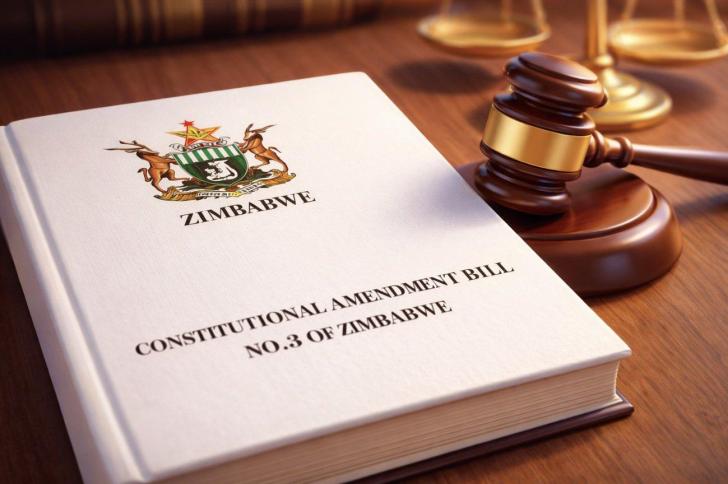
Sithole said mounting a fresh court challenge against Constitution of Zimbabwe Amendment Act No. 3 of 2026 would be a "tall order", suggesting that the situation had become effectively irreversible following enactment.
His comments come after the constitutional amendments were signed into law, despite sustained opposition from sections of civil society, political activists and groups in Matabeleland.
Sithole has handled a number of high-profile and politically sensitive cases in Zimbabwe, including representing former Citizens Coalition for Change (CCC) legislator Sengezo Tshabangu during the controversial parliamentary recall disputes.
He has also represented the family of journalist and political activist Tawanda Muchehiwa in the high-profile abduction case.
In the Mnangagwa term-extension matter, Sithole filed a Constitutional Court application on behalf of Fuzwayo and Ibhetshu LikaZulu challenging a Zanu PF resolution to extend the President's tenure to 2030.
The Constitutional Court granted the applicants direct access, allowing the matter to be brought before the country's highest court without first proceeding through lower courts.
However, Fuzwayo subsequently withdrew the case before it could be heard on its merits.
The withdrawal meant that the Constitutional Court did not make a substantive determination on whether the Zanu PF resolution seeking to extend Mnangagwa's tenure complied with the Constitution.
Sithole's latest position highlights the distinction between challenging the legality of a proposed constitutional amendment and challenging an amendment that has already been enacted and incorporated into Zimbabwe's legal framework.
He nevertheless maintains that the constitutional amendment process violated Section 328, which prescribes specific procedures for altering the Constitution.
The lawyer's assessment is likely to fuel debate among constitutional lawyers and civil society groups over whether any remaining legal avenue exists to challenge Amendment Act No. 3 now that it has been enacted.
For Sithole, however, the political and legal landscape has changed substantially since the original challenge was filed, leaving any attempt to reverse the amendments an uphill battle.
Sithole initially represented Matabeleland pressure group Ibhetshu LikaZulu and its coordinator Mbuso Fuzwayo in a Constitutional Court challenge against a Zanu PF resolution seeking to extend President Emmerson Mnangagwa's tenure to 2030.
The lawyer said the constitutional amendments have since moved beyond the political debate and are now law, making any legal challenge significantly more difficult.
In his view, the amendments are now "water under the bridge", although he maintains that the constitutional requirements governing amendments were not properly followed.
Section 328 of the Constitution sets out the procedures and safeguards that must be followed when amending the country's supreme law. The provision is intended to protect constitutional principles, including safeguards around term limits and changes affecting public office holders.
Sithole said mounting a fresh court challenge against Constitution of Zimbabwe Amendment Act No. 3 of 2026 would be a "tall order", suggesting that the situation had become effectively irreversible following enactment.
His comments come after the constitutional amendments were signed into law, despite sustained opposition from sections of civil society, political activists and groups in Matabeleland.
Sithole has handled a number of high-profile and politically sensitive cases in Zimbabwe, including representing former Citizens Coalition for Change (CCC) legislator Sengezo Tshabangu during the controversial parliamentary recall disputes.
He has also represented the family of journalist and political activist Tawanda Muchehiwa in the high-profile abduction case.
In the Mnangagwa term-extension matter, Sithole filed a Constitutional Court application on behalf of Fuzwayo and Ibhetshu LikaZulu challenging a Zanu PF resolution to extend the President's tenure to 2030.
The Constitutional Court granted the applicants direct access, allowing the matter to be brought before the country's highest court without first proceeding through lower courts.
However, Fuzwayo subsequently withdrew the case before it could be heard on its merits.
The withdrawal meant that the Constitutional Court did not make a substantive determination on whether the Zanu PF resolution seeking to extend Mnangagwa's tenure complied with the Constitution.
Sithole's latest position highlights the distinction between challenging the legality of a proposed constitutional amendment and challenging an amendment that has already been enacted and incorporated into Zimbabwe's legal framework.
He nevertheless maintains that the constitutional amendment process violated Section 328, which prescribes specific procedures for altering the Constitution.
The lawyer's assessment is likely to fuel debate among constitutional lawyers and civil society groups over whether any remaining legal avenue exists to challenge Amendment Act No. 3 now that it has been enacted.
For Sithole, however, the political and legal landscape has changed substantially since the original challenge was filed, leaving any attempt to reverse the amendments an uphill battle.
Source - online
Join the discussion
Loading comments…





