Technology / Motors
Why Creator-Led Businesses Are Changing Digital Media
04 Aug 2026 at 14:14hrs |
1003 Views
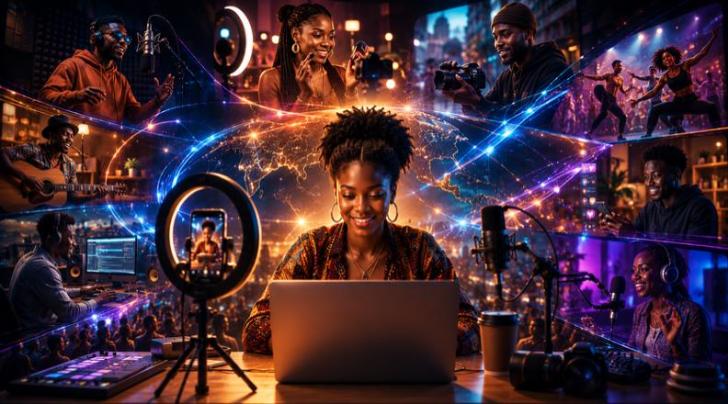
The relationship between audience and creator has changed fundamentally. Where a publisher, label, or studio once controlled what reached the public, individual creators now build direct connections with millions of followers and convert those connections into businesses. This shift is visible across Africa, where digital creators are building companies that generate revenue independent of traditional media structures.
The Rise of the Creator Economy
The creator economy refers to the commercial ecosystem built around individuals who produce content and monetize the audience that content attracts. It includes YouTube channels, podcasts, newsletters, social media accounts, and the products and services that grow out of them.
The scale of this economy is significant. Globally, the creator economy was valued at over $250 billion in 2024. Africa's share of that figure is growing faster than most other regions, driven by smartphone adoption and a young population that spends significant daily time on social platforms.
What changed the economics of content creation was not just reach but ownership. A creator who builds a YouTube channel with five million subscribers owns that relationship in a way that an employee at a media company never did. That ownership is the foundation on which businesses are built.
Why Personal Brands Matter
A personal brand is the accumulated trust and recognition that a creator builds over time through consistent output. It is not a logo or a tagline. It is the result of an audience deciding that a specific person's perspective, taste, or expertise is worth following regularly.
Social media business models that rely on personal brands have a cost advantage that traditional companies cannot easily replicate. When a creator launches a product to their own audience, the marketing cost is near zero. The audience already exists, already trusts the source, and already has a reason to pay attention to what is being offered.
That dynamic explains why creators who launch products consistently outperform traditional brands in early-stage sales, even when the product quality is equivalent. The trust built through content creation translates directly into purchasing behavior.
Digital Communities and Engagement
The strongest creator businesses are not built on reach alone. They are built on community. A creator with 500,000 highly engaged followers will generate more commercial value than one with 5 million passive ones, because engagement signals genuine relationship rather than accidental discovery.
Digital platforms like Pin-Up, alongside streaming services and social media networks, operate within this ecosystem by building their own engaged communities around content and interactive experiences, using similar principles of consistent value delivery and direct audience relationship management.
Creator-led brands that understand community tend to build subscription models, membership programs, and recurring engagement formats rather than one-time product launches. The business model changes from transaction-based to relationship-based, which produces more predictable revenue over time.
New Revenue Models
Content monetization has expanded well beyond advertising. The following revenue models are now standard across successful creator businesses in Africa and globally:
The shift away from advertising toward owned revenue streams reflects how creators are reducing their dependency on platform algorithm changes and advertiser budgets that they do not control.
Future Trends
The next phase of creator business development will be shaped by AI tools that reduce production costs and expansion into physical retail for creators who have built enough brand recognition to justify it.
Content monetization will also become more granular. Rather than one subscription tier for all followers, creators will offer multiple access levels with different price points, allowing audiences to self-select based on how deeply they want to engage with the creator's work and community.
In conclusion, creator-led businesses are changing digital media because they removed the intermediaries that previously separated content producers from their audiences and their revenue. The businesses that emerge from this model are smaller, faster, and more directly connected to the people they serve than traditional media companies have ever been.
The Rise of the Creator Economy
The creator economy refers to the commercial ecosystem built around individuals who produce content and monetize the audience that content attracts. It includes YouTube channels, podcasts, newsletters, social media accounts, and the products and services that grow out of them.
The scale of this economy is significant. Globally, the creator economy was valued at over $250 billion in 2024. Africa's share of that figure is growing faster than most other regions, driven by smartphone adoption and a young population that spends significant daily time on social platforms.
What changed the economics of content creation was not just reach but ownership. A creator who builds a YouTube channel with five million subscribers owns that relationship in a way that an employee at a media company never did. That ownership is the foundation on which businesses are built.
Why Personal Brands Matter
A personal brand is the accumulated trust and recognition that a creator builds over time through consistent output. It is not a logo or a tagline. It is the result of an audience deciding that a specific person's perspective, taste, or expertise is worth following regularly.
Social media business models that rely on personal brands have a cost advantage that traditional companies cannot easily replicate. When a creator launches a product to their own audience, the marketing cost is near zero. The audience already exists, already trusts the source, and already has a reason to pay attention to what is being offered.
That dynamic explains why creators who launch products consistently outperform traditional brands in early-stage sales, even when the product quality is equivalent. The trust built through content creation translates directly into purchasing behavior.
Digital Communities and Engagement
The strongest creator businesses are not built on reach alone. They are built on community. A creator with 500,000 highly engaged followers will generate more commercial value than one with 5 million passive ones, because engagement signals genuine relationship rather than accidental discovery.
Digital platforms like Pin-Up, alongside streaming services and social media networks, operate within this ecosystem by building their own engaged communities around content and interactive experiences, using similar principles of consistent value delivery and direct audience relationship management.
Creator-led brands that understand community tend to build subscription models, membership programs, and recurring engagement formats rather than one-time product launches. The business model changes from transaction-based to relationship-based, which produces more predictable revenue over time.
New Revenue Models
Content monetization has expanded well beyond advertising. The following revenue models are now standard across successful creator businesses in Africa and globally:
- Subscription communities where members pay for exclusive content, early access, or direct interaction with the creator.
- Digital products such as courses, templates, or guides that scale without inventory costs.
- Brand partnerships where the creator integrates a product into their existing content format.
- Physical products launched to existing audiences who already trust the creator's taste.
| Revenue Source | 2022 Share | 2026 Share |
| Advertising | 58% | 31% |
| Brand partnerships | 22% | 28% |
| Subscriptions | 12% | 24% |
| Digital products | 8% | 17% |
Future Trends
The next phase of creator business development will be shaped by AI tools that reduce production costs and expansion into physical retail for creators who have built enough brand recognition to justify it.
Content monetization will also become more granular. Rather than one subscription tier for all followers, creators will offer multiple access levels with different price points, allowing audiences to self-select based on how deeply they want to engage with the creator's work and community.
In conclusion, creator-led businesses are changing digital media because they removed the intermediaries that previously separated content producers from their audiences and their revenue. The businesses that emerge from this model are smaller, faster, and more directly connected to the people they serve than traditional media companies have ever been.
Source - Byo24News
Join the discussion
Loading comments…





