News / Local
Zimbabwe grapples with shortages of ID papers
13 Feb 2026 at 18:29hrs |
0 Views
Zimbabwe is facing a deepening shortage of critical materials required to print birth certificates, national identity documents and official receipt books, a crisis that has disrupted access to essential civil registration services and sparked heated debate in Parliament.
The shortage, confirmed in the National Assembly on February 11, 2026, has exposed funding bottlenecks within government, with officials acknowledging that consumables used by the Registrar General's Department are locally produced but remain unpaid for. The specialised paper used for secure civil documents is manufactured by Fidelity Printers and Refiners, a state-owned entity known for printing secure documents and refining precious metals.
Without birth certificates and national IDs, both children and adults are unable to enrol in school, sit national examinations, secure employment, access banking services or obtain passports, raising concerns about the erosion of fundamental rights tied to citizenship and legal identity.
The crisis came under scrutiny after opposition legislator Ropafadzo Makumire demanded urgent action from government, describing the situation as having "gone out of hand."
"There are no resources, including papers to print birth certificates, receipt books et cetera in the whole of this country. What strategies is the Government putting in place to address this challenge?" he asked.
The Registrar General's Department, which operates under the Ministry of Home Affairs and Cultural Heritage, is mandated to register births and deaths and issue national identity documents, services that underpin voting rights, access to social services and passport applications.
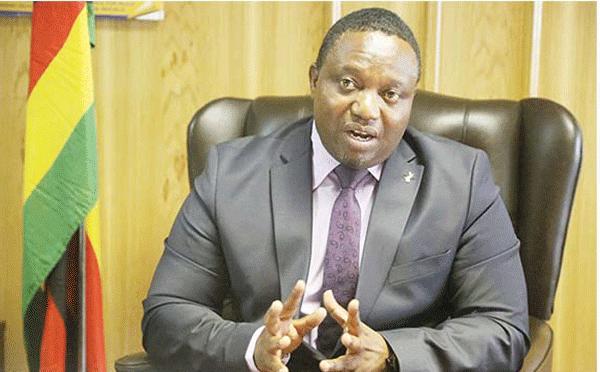
Responding to the concerns, Home Affairs Minister Kazembe Kazembe acknowledged the shortage and attributed it to funding constraints.
"We have identified the problem and spelt out that we have a shortage of papers to print birth certificates and other consumables," he said, adding that his ministry relies on allocations from Treasury. "I believe the Ministry of Finance is rectifying that issue because the Registrar General's Department, if they want money, they go through the Treasury."
Kazembe indicated that his ministry was exploring the possibility of retaining a portion of its own revenue in future to cushion against similar disruptions.
"This will enable the Registrar General's Department to buy such things when they run short. As of now, the money is directed to the Treasury. Now we are engaging the Ministry of Finance to assist us," he said.
Attention quickly shifted to the Ministry of Finance, Economic Development and Investment Promotion, amid accusations that centralised revenue control was choking service delivery.
Deputy Finance Minister David Kudakwashe Mnangagwa defended Treasury procedures, explaining that 97 percent of government revenue is derived from taxes, while only three percent comes from non-tax revenues such as fees collected by departments including the Registrar General and the Zimbabwe National Road Administration.
"All the money that is collected from ministries is put in the same pot. We do not consider where the money is coming from. That is the money that is used to pay salaries and other things," Mnangagwa said, referring to the Consolidated Revenue Fund.
He added that revenue flows are typically lower during the first months of the year, limiting the speed of disbursements.
"At the beginning of the year, the money is not enough. In the first two to five months we normally generate low revenue to pay what we would have prioritised at the end of the previous year," he said.
However, legislators from across the aisle pressed for a clear timeline on when the shortage would be resolved, with some arguing that delays amounted to an infringement of citizens' rights.
Another MP, Corban Madzivanyika, questioned when funds would be released to ensure that people could access identity documents.
"We understand budgetary constraints but when are we going to get this problem solved, considering it is an attack on the human rights of citizens of this country?" he asked.
Kazembe reiterated that the materials are already produced locally, stressing that payment remains the primary obstacle.
"These consumables that we are talking about are produced in this country but the person who produces them needs to be paid. The paper that we are talking about is produced by Fidelity but Fidelity has to be paid," he said.
Despite the tense exchanges, the Temporary Speaker ruled that the Finance Ministry had sufficiently responded, noting that once funds reach Treasury they would be distributed in accordance with government processes.
For many citizens waiting in long queues for documents, however, the absence of a clear resolution timeline continues to fuel anxiety over access to basic civil services.
The shortage, confirmed in the National Assembly on February 11, 2026, has exposed funding bottlenecks within government, with officials acknowledging that consumables used by the Registrar General's Department are locally produced but remain unpaid for. The specialised paper used for secure civil documents is manufactured by Fidelity Printers and Refiners, a state-owned entity known for printing secure documents and refining precious metals.
Without birth certificates and national IDs, both children and adults are unable to enrol in school, sit national examinations, secure employment, access banking services or obtain passports, raising concerns about the erosion of fundamental rights tied to citizenship and legal identity.
The crisis came under scrutiny after opposition legislator Ropafadzo Makumire demanded urgent action from government, describing the situation as having "gone out of hand."
"There are no resources, including papers to print birth certificates, receipt books et cetera in the whole of this country. What strategies is the Government putting in place to address this challenge?" he asked.
The Registrar General's Department, which operates under the Ministry of Home Affairs and Cultural Heritage, is mandated to register births and deaths and issue national identity documents, services that underpin voting rights, access to social services and passport applications.
Responding to the concerns, Home Affairs Minister Kazembe Kazembe acknowledged the shortage and attributed it to funding constraints.
"We have identified the problem and spelt out that we have a shortage of papers to print birth certificates and other consumables," he said, adding that his ministry relies on allocations from Treasury. "I believe the Ministry of Finance is rectifying that issue because the Registrar General's Department, if they want money, they go through the Treasury."
Kazembe indicated that his ministry was exploring the possibility of retaining a portion of its own revenue in future to cushion against similar disruptions.
"This will enable the Registrar General's Department to buy such things when they run short. As of now, the money is directed to the Treasury. Now we are engaging the Ministry of Finance to assist us," he said.
Attention quickly shifted to the Ministry of Finance, Economic Development and Investment Promotion, amid accusations that centralised revenue control was choking service delivery.
Deputy Finance Minister David Kudakwashe Mnangagwa defended Treasury procedures, explaining that 97 percent of government revenue is derived from taxes, while only three percent comes from non-tax revenues such as fees collected by departments including the Registrar General and the Zimbabwe National Road Administration.
"All the money that is collected from ministries is put in the same pot. We do not consider where the money is coming from. That is the money that is used to pay salaries and other things," Mnangagwa said, referring to the Consolidated Revenue Fund.
He added that revenue flows are typically lower during the first months of the year, limiting the speed of disbursements.
"At the beginning of the year, the money is not enough. In the first two to five months we normally generate low revenue to pay what we would have prioritised at the end of the previous year," he said.
However, legislators from across the aisle pressed for a clear timeline on when the shortage would be resolved, with some arguing that delays amounted to an infringement of citizens' rights.
Another MP, Corban Madzivanyika, questioned when funds would be released to ensure that people could access identity documents.
"We understand budgetary constraints but when are we going to get this problem solved, considering it is an attack on the human rights of citizens of this country?" he asked.
Kazembe reiterated that the materials are already produced locally, stressing that payment remains the primary obstacle.
"These consumables that we are talking about are produced in this country but the person who produces them needs to be paid. The paper that we are talking about is produced by Fidelity but Fidelity has to be paid," he said.
Despite the tense exchanges, the Temporary Speaker ruled that the Finance Ministry had sufficiently responded, noting that once funds reach Treasury they would be distributed in accordance with government processes.
For many citizens waiting in long queues for documents, however, the absence of a clear resolution timeline continues to fuel anxiety over access to basic civil services.
Source - Cite
Join the discussion
Loading comments…





