News / National
Fuel price surge sparks fears of higher commuter fares in Zimbabwe
05 Mar 2026 at 20:53hrs |
674 Views
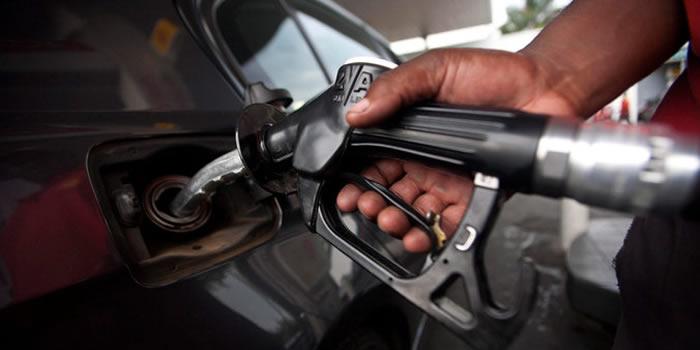
Commuters in Zimbabwe could soon face higher transport fares after the latest increase in fuel prices, triggered by rising global crude oil costs linked to escalating conflict in the Middle East.
The Zimbabwe Energy Regulatory Authority announced on Wednesday that the maximum pump price of petrol (Blend E5) had risen to US$1.71 per litre, up from US$1.56, while diesel climbed sharply to US$1.77 per litre from US$1.52.
The adjustment represents a 9.6 percent increase for petrol and a much steeper 16.4 percent rise for diesel, a development likely to have wide-reaching effects across public transport, freight and household expenses.
Diesel powers the bulk of Zimbabwe's public transport fleet, long-distance haulage trucks, mining equipment and agricultural machinery, making its price particularly influential in determining transport costs and inflation trends.
ZERA said government intervention had prevented even steeper increases.
"Without government cushioning, the actual prices would have been US$1.90 per litre for diesel and US$1.81 per litre for blend," the regulator said.
To soften the impact, the government reduced the Strategic Reserve Levy — a charge used to fund Zimbabwe's emergency fuel reserves. The levy on diesel was cut to 5.7 cents per litre from 18.7 cents, while petrol's levy was reduced to 13.6 cents from 24.7 cents.
Meanwhile, acting Energy and Power Development Minister Zhemu Soda assured Parliament that the country has adequate fuel stocks despite the uncertain global environment.
Addressing the National Assembly, Soda said a preparedness report confirmed that Zimbabwe currently holds sufficient fuel reserves to meet demand for the next three months, easing fears of immediate shortages.
However, transport operators say the sharp diesel increase could force a review of commuter fares, as fuel costs account for a significant portion of operating expenses.
Any fare adjustments would likely add pressure on household budgets, with economists warning that fuel price hikes tend to ripple through the wider economy by increasing the cost of goods, services and transportation.
Because Zimbabwe imports all its fuel requirements, domestic pump prices are largely influenced by international oil markets, shipping costs and other import-related charges — factors that remain volatile amid ongoing geopolitical tensions.
The Zimbabwe Energy Regulatory Authority announced on Wednesday that the maximum pump price of petrol (Blend E5) had risen to US$1.71 per litre, up from US$1.56, while diesel climbed sharply to US$1.77 per litre from US$1.52.
The adjustment represents a 9.6 percent increase for petrol and a much steeper 16.4 percent rise for diesel, a development likely to have wide-reaching effects across public transport, freight and household expenses.
Diesel powers the bulk of Zimbabwe's public transport fleet, long-distance haulage trucks, mining equipment and agricultural machinery, making its price particularly influential in determining transport costs and inflation trends.
ZERA said government intervention had prevented even steeper increases.
"Without government cushioning, the actual prices would have been US$1.90 per litre for diesel and US$1.81 per litre for blend," the regulator said.
Meanwhile, acting Energy and Power Development Minister Zhemu Soda assured Parliament that the country has adequate fuel stocks despite the uncertain global environment.
Addressing the National Assembly, Soda said a preparedness report confirmed that Zimbabwe currently holds sufficient fuel reserves to meet demand for the next three months, easing fears of immediate shortages.
However, transport operators say the sharp diesel increase could force a review of commuter fares, as fuel costs account for a significant portion of operating expenses.
Any fare adjustments would likely add pressure on household budgets, with economists warning that fuel price hikes tend to ripple through the wider economy by increasing the cost of goods, services and transportation.
Because Zimbabwe imports all its fuel requirements, domestic pump prices are largely influenced by international oil markets, shipping costs and other import-related charges — factors that remain volatile amid ongoing geopolitical tensions.
Source - Zimlive
Join the discussion
Loading comments…


