News / National
RBZ urges dealers to sell fuel in ZiG
05 Mar 2026 at 08:45hrs |
0 Views
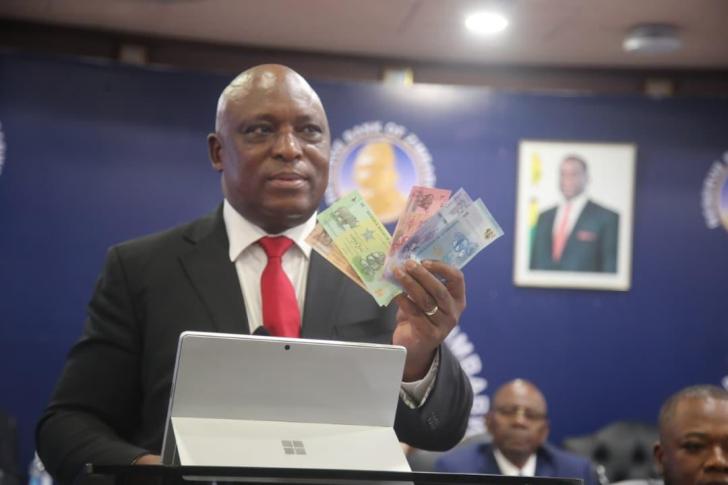
John Mushayavanhu, Governor of the Reserve Bank of Zimbabwe, has called on fuel dealers to index prices in the local currency, ZiG, citing risks of exchange rate losses when trading exclusively in United States dollars (USD).
Speaking during the Bulawayo provincial monetary policy statement presentation on Tuesday, Mushayavanhu warned that operators converting USD at banks to obtain ZiG face disadvantages due to the prevailing buying rate.
"When the day comes for you to purchase fuel or pay tax, you have to find ZiG. Some dealers say, 'No problem, I will go to my bank, sell US dollars and get ZiG,'" Mushayavanhu said.
"Yes, you can do that. But when you sell foreign currency, the bank buys it from you at the buying rate," he added, noting that the current rate can result in losses of around 25% when converting USD to ZiG. He suggested that dealers could be better off pricing some of their fuel in ZiG directly at an exchange rate of 30 to avoid conversion losses.
Mushayavanhu highlighted that the repeal of Statutory Instrument 81A allows traders to determine their own exchange rates. This flexibility, he said, enables fuel dealers to generate sufficient local currency to meet tax obligations without suffering losses from currency conversion.
"We have seen certain fuel dealers selling fuel in bulk in ZiG. They may not be doing it at the pump station, but they will say, ‘If you want 60 000 litres, I want payment in ZiG.' It is happening," he said.
The governor's remarks coincided with the unveiling of redesigned ZiG banknotes, which are scheduled to enter circulation next month. Mushayavanhu emphasised that reducing reliance on foreign currencies is critical to protecting the economy from external shocks.
"There are geopolitical issues that may interfere with our ability to achieve stability," he said, referring to potential increases in fuel prices due to tensions in the Middle East. "Authorities are determined to ensure inflation remains under control in 2026."
The ZiG was introduced in April 2024 to replace the Zimdollar, which had been decimated by past hyperinflation. However, adoption remains limited among retailers and some service providers, including government entities still wary of past currency instability.
Mushayavanhu indicated that as the use of ZiG is entrenched, more fuel sales in local currency are expected, potentially including direct payments at forecourts.
Speaking during the Bulawayo provincial monetary policy statement presentation on Tuesday, Mushayavanhu warned that operators converting USD at banks to obtain ZiG face disadvantages due to the prevailing buying rate.
"When the day comes for you to purchase fuel or pay tax, you have to find ZiG. Some dealers say, 'No problem, I will go to my bank, sell US dollars and get ZiG,'" Mushayavanhu said.
"Yes, you can do that. But when you sell foreign currency, the bank buys it from you at the buying rate," he added, noting that the current rate can result in losses of around 25% when converting USD to ZiG. He suggested that dealers could be better off pricing some of their fuel in ZiG directly at an exchange rate of 30 to avoid conversion losses.
Mushayavanhu highlighted that the repeal of Statutory Instrument 81A allows traders to determine their own exchange rates. This flexibility, he said, enables fuel dealers to generate sufficient local currency to meet tax obligations without suffering losses from currency conversion.
"We have seen certain fuel dealers selling fuel in bulk in ZiG. They may not be doing it at the pump station, but they will say, ‘If you want 60 000 litres, I want payment in ZiG.' It is happening," he said.
The governor's remarks coincided with the unveiling of redesigned ZiG banknotes, which are scheduled to enter circulation next month. Mushayavanhu emphasised that reducing reliance on foreign currencies is critical to protecting the economy from external shocks.
"There are geopolitical issues that may interfere with our ability to achieve stability," he said, referring to potential increases in fuel prices due to tensions in the Middle East. "Authorities are determined to ensure inflation remains under control in 2026."
The ZiG was introduced in April 2024 to replace the Zimdollar, which had been decimated by past hyperinflation. However, adoption remains limited among retailers and some service providers, including government entities still wary of past currency instability.
Mushayavanhu indicated that as the use of ZiG is entrenched, more fuel sales in local currency are expected, potentially including direct payments at forecourts.
Source - newsday
Join the discussion
Loading comments…


