News / National
Zimbabweans in SA on the edge as anti-immigrant protest looms
27 Apr 2026 at 15:15hrs |
0 Views
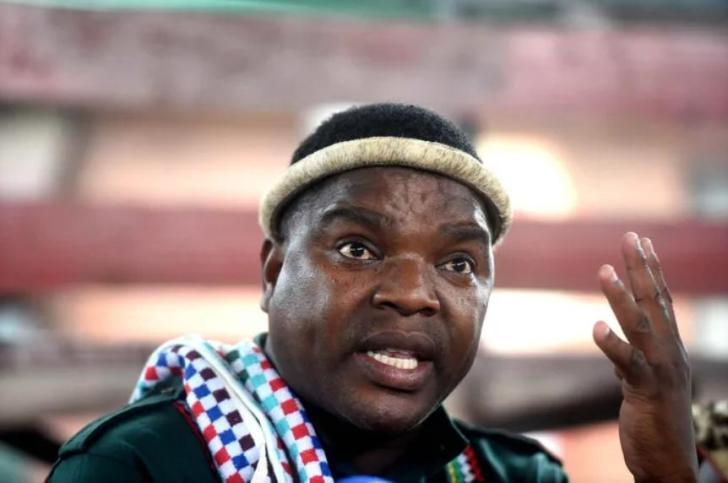
As South Africa moves toward the 2026 local government elections, concerns are mounting over a growing wave of anti-foreign sentiment that critics say is being fuelled by political rhetoric and mobilisation efforts rather than spontaneous public anger.
Attention has centred on a planned nationwide protest scheduled for May 4, which is expected to begin at Mary Fitzgerald Square in Johannesburg. The group behind the demonstration, calling itself Concerned Citizens of South Africa, is demanding the removal of all foreign nationals from the country and has warned of taking unilateral action if authorities do not comply, raising fears of possible vigilante violence.
The protest has sparked alarm among migrant communities, particularly Zimbabweans, who form one of the largest foreign populations in South Africa. Analysts and activists argue that the language and organisation of such movements reflect a broader political climate in which migrants are increasingly being used as scapegoats for unemployment, inequality and governance failures.
Zimbabwean rights advocates and diaspora organisations have described the situation as part of a longer pattern of hostility dating back years, with periodic outbreaks of violence and sustained anti-immigrant messaging. Some argue that this rhetoric intensifies during election cycles, when political actors seek to mobilise frustrated voters by directing attention away from domestic economic challenges.
Economic commentators, however, consistently point out that migrants often fill essential roles in sectors such as agriculture, domestic work, construction and informal trade, and that large-scale removals could have severe economic consequences for local communities and small businesses that rely on migrant participation.
Despite official condemnations of xenophobia, critics say enforcement has often been inconsistent, allowing intimidation and sporadic attacks to persist with limited accountability. This gap between policy and practice has contributed to growing anxiety among foreign nationals, many of whom now describe living in a state of uncertainty and fear.
South African police leadership has also cautioned against unlawful vigilante activity, stressing that immigration enforcement remains the responsibility of the state and warning that community-led "verification" of documentation could lead to abuse and wrongful targeting of individuals.
With millions of Zimbabweans estimated to be living in South Africa, the unfolding tensions carry significant regional implications. As election season approaches, the situation remains volatile, with concerns that political mobilisation around migration could further heighten risks for already vulnerable communities.
Attention has centred on a planned nationwide protest scheduled for May 4, which is expected to begin at Mary Fitzgerald Square in Johannesburg. The group behind the demonstration, calling itself Concerned Citizens of South Africa, is demanding the removal of all foreign nationals from the country and has warned of taking unilateral action if authorities do not comply, raising fears of possible vigilante violence.
The protest has sparked alarm among migrant communities, particularly Zimbabweans, who form one of the largest foreign populations in South Africa. Analysts and activists argue that the language and organisation of such movements reflect a broader political climate in which migrants are increasingly being used as scapegoats for unemployment, inequality and governance failures.
Zimbabwean rights advocates and diaspora organisations have described the situation as part of a longer pattern of hostility dating back years, with periodic outbreaks of violence and sustained anti-immigrant messaging. Some argue that this rhetoric intensifies during election cycles, when political actors seek to mobilise frustrated voters by directing attention away from domestic economic challenges.
Economic commentators, however, consistently point out that migrants often fill essential roles in sectors such as agriculture, domestic work, construction and informal trade, and that large-scale removals could have severe economic consequences for local communities and small businesses that rely on migrant participation.
Despite official condemnations of xenophobia, critics say enforcement has often been inconsistent, allowing intimidation and sporadic attacks to persist with limited accountability. This gap between policy and practice has contributed to growing anxiety among foreign nationals, many of whom now describe living in a state of uncertainty and fear.
South African police leadership has also cautioned against unlawful vigilante activity, stressing that immigration enforcement remains the responsibility of the state and warning that community-led "verification" of documentation could lead to abuse and wrongful targeting of individuals.
With millions of Zimbabweans estimated to be living in South Africa, the unfolding tensions carry significant regional implications. As election season approaches, the situation remains volatile, with concerns that political mobilisation around migration could further heighten risks for already vulnerable communities.
Source - Southern Eye
Join the discussion
Loading comments…



