News / National
ZSE loses US$1.16bn as delistings deepen market shrinkage
07 Jun 2026 at 15:17hrs |
0 Views
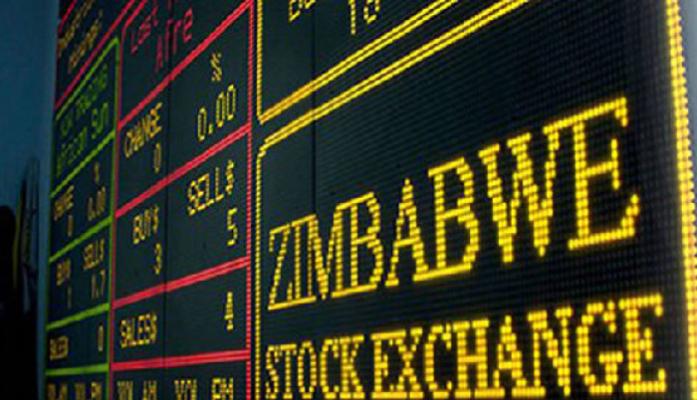
Zimbabwe's main stock market is facing mounting pressure after losing an estimated US$1.16 billion in market value since the beginning of the year, with the departure of major listed companies led by Econet Wireless Zimbabwe intensifying concerns over the future of the bourse.
The decline comes as the Zimbabwe Stock Exchange grapples with a shrinking pool of listed companies, raising fresh questions about its ability to attract and retain firms in an environment characterised by limited liquidity and growing competition from alternative markets.
Econet's exit from the exchange in March marked one of the most significant developments on the local capital market this year. The telecommunications giant's delisting removed one of the ZSE's largest and most actively traded counters, delivering a major blow to overall market capitalisation.
The impact has been substantial.
The ZSE ended 2025 with a market capitalisation equivalent to US$3.23 billion. Investor activity surged during the first quarter, pushing the figure to US$4.43 billion by the end of March as traders positioned themselves around Econet's delisting.
However, by last Friday, market capitalisation had retreated to US$3.26 billion, effectively erasing much of the first-quarter gains and resulting in an overall decline of approximately US$1.16 billion since the start of the year.
The pressure on the exchange is expected to intensify further, with TSL Limited and First Mutual Properties Limited also expected to leave the bourse in the coming weeks.
The anticipated departures have heightened concerns about the continued contraction of the ZSE and its diminishing appeal to both investors and issuers.
In response, the exchange has introduced a series of temporary measures aimed at attracting new listings and reversing the decline.
Among the most significant reforms is the reduction of the minimum market capitalisation requirement for listing, alongside a relaxation of free-float requirements from 30 percent to a minimum of 10 percent. The exchange has also eased shareholder spread rules and waived initial listing fees.
The incentives will remain in place for the next three years.
Stockbroking firm FBC Securities said the reforms could help support market activity over the medium term.
"The outlook for the ZSE over the next three to six months follows the 36-month window of relaxed listing requirements under Practice Note 18," the brokerage said in its May 2026 market report.
It noted that while the ZSE's All-Share Index could continue rising, growth was likely to be slower than the 40 percent year-to-date increase already recorded.
FBC Securities identified currency stability as a key factor influencing investor confidence.
"The key watchpoint is the central bank's ability to maintain forex reserves and support the stability of the ZiG, to protect the value of ZiG-denominated assets," the firm said.
Despite the market contraction, trading activity has remained relatively resilient.
According to FBC Securities, turnover measured in ZiG increased by four percent in May compared to April, suggesting investors remain active despite the distortion caused by heavy trading in Econet shares ahead of the company's delisting.
The brokerage attributed continued investor interest in equities to Zimbabwe's relatively low inflation environment, which has helped preserve the value of ZiG-denominated assets.
However, currency pressures remain a concern.
FBC Securities noted that the interbank exchange rate weakened from 25.34 ZiG per US dollar on May 1 to 26.90 ZiG per US dollar by May 29, representing a six percent monthly depreciation.
The firm nevertheless argued that the country had avoided major external shocks and was benefiting from a more predictable economic environment.
Another brokerage, IH Securities, reported that the ZSE closed May in positive territory despite ongoing structural challenges.
"The Zimbabwe Stock Exchange closed May positively in both ZiG and USD terms, with market capitalisation expanding 6.87 percent month-on-month to ZiG87.62 billion and 5.20 percent month-on-month to US$2.74 billion," the firm said.
IH Securities noted that the All-Share Index advanced 6.60 percent during the month, supported by investor demand for heavyweight stocks as a hedge against currency depreciation.
Even so, the brokerage said overall market capitalisation remained 5.53 percent lower on a year-to-date basis in ZiG terms.
While the ZSE struggles to stem the loss of listed firms, the Victoria Falls Stock Exchange continues to gain ground.
The United States dollar-denominated exchange recorded a market capitalisation of US$3.54 billion as of last Friday, up sharply from US$2.09 billion at the end of 2025.
The growth has seen the Victoria Falls Stock Exchange emerge as Zimbabwe's largest stock market by value and increasingly the preferred destination for investors seeking exposure to local equities in a more stable currency environment.
With more delistings looming and competition intensifying, the coming months are expected to be critical for the ZSE as it seeks to rebuild its listing base and restore investor confidence.
The decline comes as the Zimbabwe Stock Exchange grapples with a shrinking pool of listed companies, raising fresh questions about its ability to attract and retain firms in an environment characterised by limited liquidity and growing competition from alternative markets.
Econet's exit from the exchange in March marked one of the most significant developments on the local capital market this year. The telecommunications giant's delisting removed one of the ZSE's largest and most actively traded counters, delivering a major blow to overall market capitalisation.
The impact has been substantial.
The ZSE ended 2025 with a market capitalisation equivalent to US$3.23 billion. Investor activity surged during the first quarter, pushing the figure to US$4.43 billion by the end of March as traders positioned themselves around Econet's delisting.
However, by last Friday, market capitalisation had retreated to US$3.26 billion, effectively erasing much of the first-quarter gains and resulting in an overall decline of approximately US$1.16 billion since the start of the year.
The pressure on the exchange is expected to intensify further, with TSL Limited and First Mutual Properties Limited also expected to leave the bourse in the coming weeks.
The anticipated departures have heightened concerns about the continued contraction of the ZSE and its diminishing appeal to both investors and issuers.
In response, the exchange has introduced a series of temporary measures aimed at attracting new listings and reversing the decline.
Among the most significant reforms is the reduction of the minimum market capitalisation requirement for listing, alongside a relaxation of free-float requirements from 30 percent to a minimum of 10 percent. The exchange has also eased shareholder spread rules and waived initial listing fees.
The incentives will remain in place for the next three years.
Stockbroking firm FBC Securities said the reforms could help support market activity over the medium term.
"The outlook for the ZSE over the next three to six months follows the 36-month window of relaxed listing requirements under Practice Note 18," the brokerage said in its May 2026 market report.
It noted that while the ZSE's All-Share Index could continue rising, growth was likely to be slower than the 40 percent year-to-date increase already recorded.
FBC Securities identified currency stability as a key factor influencing investor confidence.
Despite the market contraction, trading activity has remained relatively resilient.
According to FBC Securities, turnover measured in ZiG increased by four percent in May compared to April, suggesting investors remain active despite the distortion caused by heavy trading in Econet shares ahead of the company's delisting.
The brokerage attributed continued investor interest in equities to Zimbabwe's relatively low inflation environment, which has helped preserve the value of ZiG-denominated assets.
However, currency pressures remain a concern.
FBC Securities noted that the interbank exchange rate weakened from 25.34 ZiG per US dollar on May 1 to 26.90 ZiG per US dollar by May 29, representing a six percent monthly depreciation.
The firm nevertheless argued that the country had avoided major external shocks and was benefiting from a more predictable economic environment.
Another brokerage, IH Securities, reported that the ZSE closed May in positive territory despite ongoing structural challenges.
"The Zimbabwe Stock Exchange closed May positively in both ZiG and USD terms, with market capitalisation expanding 6.87 percent month-on-month to ZiG87.62 billion and 5.20 percent month-on-month to US$2.74 billion," the firm said.
IH Securities noted that the All-Share Index advanced 6.60 percent during the month, supported by investor demand for heavyweight stocks as a hedge against currency depreciation.
Even so, the brokerage said overall market capitalisation remained 5.53 percent lower on a year-to-date basis in ZiG terms.
While the ZSE struggles to stem the loss of listed firms, the Victoria Falls Stock Exchange continues to gain ground.
The United States dollar-denominated exchange recorded a market capitalisation of US$3.54 billion as of last Friday, up sharply from US$2.09 billion at the end of 2025.
The growth has seen the Victoria Falls Stock Exchange emerge as Zimbabwe's largest stock market by value and increasingly the preferred destination for investors seeking exposure to local equities in a more stable currency environment.
With more delistings looming and competition intensifying, the coming months are expected to be critical for the ZSE as it seeks to rebuild its listing base and restore investor confidence.
Source - The Standard
Join the discussion
Loading comments…





