News / National
ConCourt dismisses challenges to Constitutional Amendment Bill No. 3
17 Jun 2026 at 13:35hrs |
850 Views
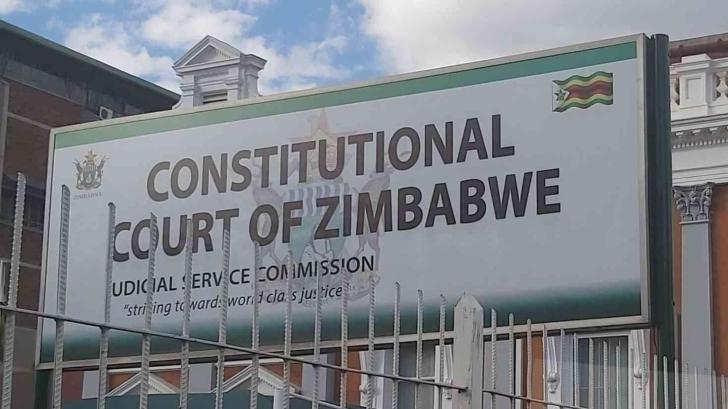
The Constitutional Court has dismissed separate legal challenges brought by a group of liberation war veterans and opposition legislator Prince Dubeko Sibanda against the controversial Constitutional Amendment Bill No. 3.
In a judgment delivered on Tuesday, Justice Barat Patel struck off the application filed by six war veterans represented by constitutional lawyer Lovemore Madhuku, ruling that the matter did not meet the legal threshold required for the Constitutional Court to exercise its exclusive jurisdiction.
The war veterans had sought to have the proposed constitutional amendments declared invalid, arguing that the Bill was unconstitutional and that President Emmerson Mnangagwa acted improperly by participating in Cabinet deliberations on reforms from which they claimed he could benefit.
However, the court found that the constitutional obligations relied upon by the applicants were not sufficiently specific to justify direct intervention by the Constitutional Court.
In a separate ruling, Justice Patel also dismissed an application by Sibanda challenging the same legislation, finding that the matter had been brought before the courts prematurely.
Speaking after the judgment, Madhuku said the court had not ruled on the substantive merits of the case but had instead determined that the matter had been filed in the wrong forum.
"The Constitutional Court has said that although the President has the duties that we had indicated in the application, those duties are not specific enough to allow the Constitutional Court to exercise its exclusive jurisdiction," Madhuku said.
He explained that the ruling effectively means the issues raised by the applicants must first be considered by a lower court before they can be brought before the apex court through the normal appeals process.
"What this means is that the application ought to be lodged in a lower court such as the High Court. The High Court can determine those issues and then it goes up to the Constitutional Court through the normal processes of appeals and so forth," he said.
The rulings remove, at least for now, two legal obstacles facing Constitutional Amendment Bill No. 3 as it continues its passage through Parliament.
The Bill has generated intense political and legal debate, with critics arguing that some of its provisions could significantly alter Zimbabwe's constitutional framework. Supporters, however, maintain that the proposed amendments are intended to strengthen governance structures and improve the functioning of public institutions.
The dismissals come as Parliament continues deliberations on the Bill ahead of an anticipated vote later this week.
In a judgment delivered on Tuesday, Justice Barat Patel struck off the application filed by six war veterans represented by constitutional lawyer Lovemore Madhuku, ruling that the matter did not meet the legal threshold required for the Constitutional Court to exercise its exclusive jurisdiction.
The war veterans had sought to have the proposed constitutional amendments declared invalid, arguing that the Bill was unconstitutional and that President Emmerson Mnangagwa acted improperly by participating in Cabinet deliberations on reforms from which they claimed he could benefit.
However, the court found that the constitutional obligations relied upon by the applicants were not sufficiently specific to justify direct intervention by the Constitutional Court.
In a separate ruling, Justice Patel also dismissed an application by Sibanda challenging the same legislation, finding that the matter had been brought before the courts prematurely.
Speaking after the judgment, Madhuku said the court had not ruled on the substantive merits of the case but had instead determined that the matter had been filed in the wrong forum.
"The Constitutional Court has said that although the President has the duties that we had indicated in the application, those duties are not specific enough to allow the Constitutional Court to exercise its exclusive jurisdiction," Madhuku said.
He explained that the ruling effectively means the issues raised by the applicants must first be considered by a lower court before they can be brought before the apex court through the normal appeals process.
"What this means is that the application ought to be lodged in a lower court such as the High Court. The High Court can determine those issues and then it goes up to the Constitutional Court through the normal processes of appeals and so forth," he said.
The rulings remove, at least for now, two legal obstacles facing Constitutional Amendment Bill No. 3 as it continues its passage through Parliament.
The Bill has generated intense political and legal debate, with critics arguing that some of its provisions could significantly alter Zimbabwe's constitutional framework. Supporters, however, maintain that the proposed amendments are intended to strengthen governance structures and improve the functioning of public institutions.
The dismissals come as Parliament continues deliberations on the Bill ahead of an anticipated vote later this week.
Source - newsday
Join the discussion
Loading comments…





