News / National
Mugabes' brush with the law puts ex-ruler's family on the spotlight
12 Jul 2026 at 15:19hrs |
0 Views
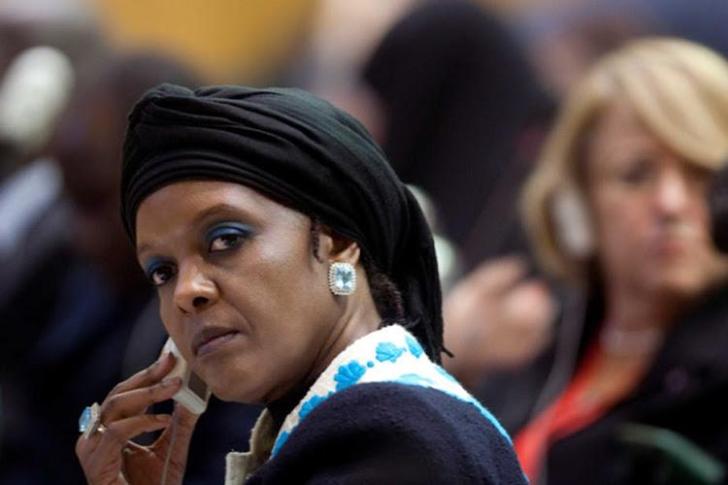
A series of criminal allegations involving members of former President Robert Mugabe's family has reignited debate over whether political power and diplomatic privilege have fostered a culture of impunity in Zimbabwe.
For decades, the Mugabe name was widely regarded as politically untouchable, with few willing to challenge the former first family during Robert Mugabe's 37-year rule. Recent legal controversies involving former first lady Grace Mugabe and her sons, however, have prompted renewed scrutiny over accountability and the limits of diplomatic immunity.
Analysts argue that allegations involving the Mugabe family have raised broader questions about equality before the law and whether politically connected individuals have historically enjoyed preferential treatment.
Grace Mugabe's tenure as first lady was marked by a number of highly publicised disputes over land ownership.
Among the most prominent were the acquisition of Iron Mask Estate in Mazowe and a legal dispute over a productive farm in Banket previously associated with High Court judge Ben Hlatshwayo. Critics alleged that state institutions were used to facilitate the acquisitions, while supporters maintained they were conducted within government land reform policies.
Even after Robert Mugabe was removed from office in November 2017, disputes involving land linked to Grace Mugabe continued.
Small-scale gold miners operating at Smithfield Farm in Mazowe have repeatedly accused her of attempting to evict them from mining claims, although a High Court ruling later allowed the miners to resume operations.
The issue returned to the spotlight last week after reports that Grace Mugabe allegedly led a confrontation involving mine workers at Smithfield Farm. Several workers were reportedly injured during the incident, although investigations are continuing.
Grace Mugabe has also faced international scrutiny.
In August 2017, she was accused of assaulting South African model Gabriella Engels with an electrical extension cord at a hotel in Johannesburg.
The South African government subsequently granted her diplomatic immunity, allowing her to leave the country. That decision was later set aside by the South African courts, which ruled that the immunity had been unlawfully granted. No criminal trial ultimately proceeded against her in South Africa.
Attention has also turned to the former president's sons.
Robert Mugabe Jr was arrested in 2023 after allegedly damaging property valued at about US$12,000 at a residence in Harare's Strathaven suburb. The matter was later referred back to the police for further handling, and no formal prosecution followed.
His younger brother, Bellarmine Chatunga Mugabe, has faced legal proceedings in both Zimbabwe and South Africa.
In South Africa, Chatunga was arrested together with another suspect following a shooting incident at a residence in Hyde Park, Johannesburg, in which a gardener was seriously injured. He faces attempted murder charges, with South African authorities alleging that the suspects attempted to conceal the firearm used during the incident. The matter remains before the courts.
He also previously appeared before Zimbabwean courts over assault-related charges arising from a dispute at a mining concession in Mazowe.
Grace Mugabe has also been involved in a dispute with traditional leaders after declining to appear before Chief Chirau's traditional court over the burial of former President Mugabe at his Kutama homestead instead of the National Heroes Acre. The traditional court reportedly imposed a customary fine in her absence.
Political analyst Rueben Mbofana said diplomatic immunity was never intended to shield individuals from criminal accountability.
"From a strict constitutional and international law perspective, diplomatic immunity is governed by the Vienna Convention and is designed to ensure smooth diplomatic relations between sovereign states, not to provide a licence for personal lawlessness or violence," Mbofana said.
"A first lady does not automatically hold permanent diplomatic immunity, particularly when travelling for private or commercial purposes."
He added that such protections do not automatically extend to adult children accused of committing criminal offences.
Political analyst Rashweat Mukundu argued that Zimbabwe has developed a system in which political influence often determines the application of the law.
"There seem to be two laws that apply in Zimbabwe: one for the ordinary person and one for the political elite, which the former first lady belongs to," Mukundu said.
He further alleged that politically connected individuals often evade accountability for serious offences because of their proximity to power.
Political analyst Blessing Vava said Zimbabwe's Constitution guarantees equality before the law and that no former public official should be beyond prosecution where evidence of wrongdoing exists.
"Diplomatic immunity, where it exists, is limited in scope and is generally tied to the official functions of a serving head of state's family. It is not a blanket licence to commit criminal acts with impunity, particularly after leaving office," Vava said.
"If there is sufficient evidence that criminal offences have been committed, the Zimbabwe Republic Police and the National Prosecuting Authority have a constitutional duty to investigate and prosecute, regardless of the individual's former status."
Political analyst Lazarus Sauti similarly noted that the Vienna Convention on Diplomatic Relations does not provide unlimited legal protection to diplomats' family members.
"According to the Vienna Convention on Diplomatic Relations (1961), diplomatic immunity is not a free pass for diplomats' family members to ignore laws," Sauti said.
Chinhoyi-based political analyst Catherine Maboya said the debate extends beyond the Mugabe family, arguing that the perception of impunity often develops while political leaders remain in office and can continue long after they leave power.
The renewed public discussion comes as Zimbabwe continues to grapple with broader questions about constitutionalism, judicial independence and equal application of the law, with analysts arguing that public confidence in state institutions depends on accountability applying equally to all citizens, regardless of political status.
For decades, the Mugabe name was widely regarded as politically untouchable, with few willing to challenge the former first family during Robert Mugabe's 37-year rule. Recent legal controversies involving former first lady Grace Mugabe and her sons, however, have prompted renewed scrutiny over accountability and the limits of diplomatic immunity.
Analysts argue that allegations involving the Mugabe family have raised broader questions about equality before the law and whether politically connected individuals have historically enjoyed preferential treatment.
Grace Mugabe's tenure as first lady was marked by a number of highly publicised disputes over land ownership.
Among the most prominent were the acquisition of Iron Mask Estate in Mazowe and a legal dispute over a productive farm in Banket previously associated with High Court judge Ben Hlatshwayo. Critics alleged that state institutions were used to facilitate the acquisitions, while supporters maintained they were conducted within government land reform policies.
Even after Robert Mugabe was removed from office in November 2017, disputes involving land linked to Grace Mugabe continued.
Small-scale gold miners operating at Smithfield Farm in Mazowe have repeatedly accused her of attempting to evict them from mining claims, although a High Court ruling later allowed the miners to resume operations.
The issue returned to the spotlight last week after reports that Grace Mugabe allegedly led a confrontation involving mine workers at Smithfield Farm. Several workers were reportedly injured during the incident, although investigations are continuing.
Grace Mugabe has also faced international scrutiny.
In August 2017, she was accused of assaulting South African model Gabriella Engels with an electrical extension cord at a hotel in Johannesburg.
The South African government subsequently granted her diplomatic immunity, allowing her to leave the country. That decision was later set aside by the South African courts, which ruled that the immunity had been unlawfully granted. No criminal trial ultimately proceeded against her in South Africa.
Attention has also turned to the former president's sons.
Robert Mugabe Jr was arrested in 2023 after allegedly damaging property valued at about US$12,000 at a residence in Harare's Strathaven suburb. The matter was later referred back to the police for further handling, and no formal prosecution followed.
His younger brother, Bellarmine Chatunga Mugabe, has faced legal proceedings in both Zimbabwe and South Africa.
In South Africa, Chatunga was arrested together with another suspect following a shooting incident at a residence in Hyde Park, Johannesburg, in which a gardener was seriously injured. He faces attempted murder charges, with South African authorities alleging that the suspects attempted to conceal the firearm used during the incident. The matter remains before the courts.
He also previously appeared before Zimbabwean courts over assault-related charges arising from a dispute at a mining concession in Mazowe.
Grace Mugabe has also been involved in a dispute with traditional leaders after declining to appear before Chief Chirau's traditional court over the burial of former President Mugabe at his Kutama homestead instead of the National Heroes Acre. The traditional court reportedly imposed a customary fine in her absence.
Political analyst Rueben Mbofana said diplomatic immunity was never intended to shield individuals from criminal accountability.
"From a strict constitutional and international law perspective, diplomatic immunity is governed by the Vienna Convention and is designed to ensure smooth diplomatic relations between sovereign states, not to provide a licence for personal lawlessness or violence," Mbofana said.
"A first lady does not automatically hold permanent diplomatic immunity, particularly when travelling for private or commercial purposes."
He added that such protections do not automatically extend to adult children accused of committing criminal offences.
Political analyst Rashweat Mukundu argued that Zimbabwe has developed a system in which political influence often determines the application of the law.
"There seem to be two laws that apply in Zimbabwe: one for the ordinary person and one for the political elite, which the former first lady belongs to," Mukundu said.
He further alleged that politically connected individuals often evade accountability for serious offences because of their proximity to power.
Political analyst Blessing Vava said Zimbabwe's Constitution guarantees equality before the law and that no former public official should be beyond prosecution where evidence of wrongdoing exists.
"Diplomatic immunity, where it exists, is limited in scope and is generally tied to the official functions of a serving head of state's family. It is not a blanket licence to commit criminal acts with impunity, particularly after leaving office," Vava said.
"If there is sufficient evidence that criminal offences have been committed, the Zimbabwe Republic Police and the National Prosecuting Authority have a constitutional duty to investigate and prosecute, regardless of the individual's former status."
Political analyst Lazarus Sauti similarly noted that the Vienna Convention on Diplomatic Relations does not provide unlimited legal protection to diplomats' family members.
"According to the Vienna Convention on Diplomatic Relations (1961), diplomatic immunity is not a free pass for diplomats' family members to ignore laws," Sauti said.
Chinhoyi-based political analyst Catherine Maboya said the debate extends beyond the Mugabe family, arguing that the perception of impunity often develops while political leaders remain in office and can continue long after they leave power.
The renewed public discussion comes as Zimbabwe continues to grapple with broader questions about constitutionalism, judicial independence and equal application of the law, with analysts arguing that public confidence in state institutions depends on accountability applying equally to all citizens, regardless of political status.
Source - The Standard
Join the discussion
Loading comments…




