News / National
Outrage over Mnangagwa's US$2m pledge to Makandiwa church
14 Sep 2026 at 10:45hrs |
912 Views
PRESIDENT Emmerson Mnangagwa's reported US$2 million pledge towards the construction of a new United Family International Church (UFIC) basilica has sparked outrage, with critics accusing the Government of misplaced priorities barely a month after the Mbuya Nehanda ferry disaster in Kariba.
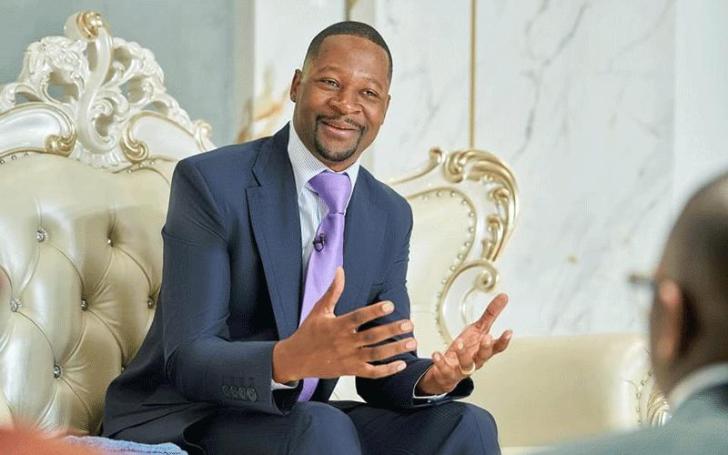
The pledge was announced last Sunday by UFIC leader Emmanuel Makandiwa during a church gathering in Chitungwiza. Makandiwa said Mnangagwa had instructed the church to "start work and bring quotations" for the proposed 10 000-seater basilica in Harare.
The church also received US$1 million from businessman Wicknell Chivayo, who also presented luxury vehicles to the Makandiwas.
The announcements have drawn criticism from survivors and families of victims of the August disaster, in which the Mbuya Nehanda ferry operated by the Rural Infrastructure Development Agency (Rida) capsized on Lake Kariba while travelling from Kariba to Chalala Fishing Camp.
At least 97 people died while 77 survived, with most of the victims being women and schoolchildren from Nyaminyami District.
The ferry, which was authorised to carry 90 passengers, was reportedly carrying about 180 people along with goods when it overturned amid strong winds.
Mnangagwa subsequently declared the disaster a state of disaster under Section 27(1) of the Civil Protection Act and directed authorities to provide affected families with funeral services, medical assistance and psychosocial support.
Government later announced US$100 in assistance for each person involved in the accident to help meet funeral-related expenses.
Cabinet also approved a broader package covering humanitarian relief, psychosocial support, recovery and resilience-building, transport and infrastructure development, as well as community training in disaster-risk reduction.
The Government pledged to replace the ferry and rehabilitate the road linking Kariba, Siakobvu and Chalala.
However, survivors and residents in Chalala, Musamba, Mola and Nyaodza fishing camps said the US$2 million church pledge highlighted what they regarded as a disconnect between Government spending and the immediate needs of communities affected by the tragedy.
Chipo Nyaumbe, a widow from Chalala Fishing Camp, said families were still struggling to obtain basic necessities.
"They are using our dead husbands to campaign. Two weeks ago, we buried people. Today, we have no food. Tomorrow there will be elections and they will come with rice. This US$2 million is cheap politicking," she said.
Temba Sianzala, a survivor from Mola village, said communities needed practical support rather than a new church in Harare.
"We don't need a church in Harare. We need boats. We need nets. We need food. He wants to buy God's favour while we are dying. That is not leadership; that is politics," he said.
Wiseman Dube, 67, from Nyaodza Camp, said he had lost two sons in the disaster.
"I lost two sons in that water. The government has not given us one bag of maize, but they have US$2 million for a pastor. They think we are fools. We see what they are doing," Dube said.
Political analysts also criticised the pledge, arguing that it raised questions about the relationship between political power and religious institutions.
Political analyst Analy Chitanga said the donation reflected what she described as a troubling convergence of church and partisan politics.
"The donation to a church, when our country faces major urgent priorities elsewhere, reflects deeply troubling insensitivity and a propensity to chase and deepen incestuous relations between the church and partisan politics," Chitanga said.
"The role of the government is not to build churches but to address national socio-economic needs, and the President is better advised to direct his attention towards urgent national concerns."
Political commentator Chilumbo Mudenda also questioned the decision in light of the President's declaration of the Kariba tragedy as a national disaster.
"It is irrational for a president to stray from his constitutional obligation. He declared the Kariba ferry tragedy a state of disaster and, to that effect, we expected benefits to follow and benefit the victims," Mudenda said.
"The government did not provide anything in the form of compensation except for private players.
"Then we have a whole President giving US$2 million to a cleric who is already rich. We have no roads in rural Kariba and Binga District."
Mudenda said the lack of reliable transport was continuing to affect communities and schoolchildren who depended on the ferry.
"Schoolchildren are stranded in these districts as they heavily relied on the Mbuya Nehanda ferry," he said.
The controversy has been compounded by Mnangagwa's appointment last week of UFIC spokesperson Pastor Prime Kufakunesu to the Broadcasting Authority of Zimbabwe board.
Kufakunesu said the church was "humbled" by the support.
Opposition politician Jacob Ngarivhume has warned of what he described as the "growing capture of the church by political oligarchs", while other critics have argued that greater Government attention should be directed towards struggling public hospitals, underfunded schools and disaster-hit communities.
In rural Mola wards, teachers and parents said the pledge had also raised questions about the Government's priorities when basic educational needs remained unmet.
Meanwhile, the disaster has renewed scrutiny of Rida's capacity to operate and maintain its vessels.
An analysis of the Treasury's 2026 Budget estimates showed that about 95 percent of Rida's allocation was earmarked for salaries, leaving only about five percent for goods and services.
The funding structure has raised further questions about whether the agency has adequate resources to maintain its fleet, improve safety and provide reliable transport to communities that depend on its services.
For families still mourning those lost on Lake Kariba, however, the debate is less about church buildings and more about whether Government support will translate into food, transport, infrastructure and livelihoods for communities left devastated by the disaster.
The pledge was announced last Sunday by UFIC leader Emmanuel Makandiwa during a church gathering in Chitungwiza. Makandiwa said Mnangagwa had instructed the church to "start work and bring quotations" for the proposed 10 000-seater basilica in Harare.
The church also received US$1 million from businessman Wicknell Chivayo, who also presented luxury vehicles to the Makandiwas.
The announcements have drawn criticism from survivors and families of victims of the August disaster, in which the Mbuya Nehanda ferry operated by the Rural Infrastructure Development Agency (Rida) capsized on Lake Kariba while travelling from Kariba to Chalala Fishing Camp.
At least 97 people died while 77 survived, with most of the victims being women and schoolchildren from Nyaminyami District.
The ferry, which was authorised to carry 90 passengers, was reportedly carrying about 180 people along with goods when it overturned amid strong winds.
Mnangagwa subsequently declared the disaster a state of disaster under Section 27(1) of the Civil Protection Act and directed authorities to provide affected families with funeral services, medical assistance and psychosocial support.
Government later announced US$100 in assistance for each person involved in the accident to help meet funeral-related expenses.
Cabinet also approved a broader package covering humanitarian relief, psychosocial support, recovery and resilience-building, transport and infrastructure development, as well as community training in disaster-risk reduction.
The Government pledged to replace the ferry and rehabilitate the road linking Kariba, Siakobvu and Chalala.
However, survivors and residents in Chalala, Musamba, Mola and Nyaodza fishing camps said the US$2 million church pledge highlighted what they regarded as a disconnect between Government spending and the immediate needs of communities affected by the tragedy.
Chipo Nyaumbe, a widow from Chalala Fishing Camp, said families were still struggling to obtain basic necessities.
"They are using our dead husbands to campaign. Two weeks ago, we buried people. Today, we have no food. Tomorrow there will be elections and they will come with rice. This US$2 million is cheap politicking," she said.
Temba Sianzala, a survivor from Mola village, said communities needed practical support rather than a new church in Harare.
"We don't need a church in Harare. We need boats. We need nets. We need food. He wants to buy God's favour while we are dying. That is not leadership; that is politics," he said.
Wiseman Dube, 67, from Nyaodza Camp, said he had lost two sons in the disaster.
"I lost two sons in that water. The government has not given us one bag of maize, but they have US$2 million for a pastor. They think we are fools. We see what they are doing," Dube said.
Political analyst Analy Chitanga said the donation reflected what she described as a troubling convergence of church and partisan politics.
"The donation to a church, when our country faces major urgent priorities elsewhere, reflects deeply troubling insensitivity and a propensity to chase and deepen incestuous relations between the church and partisan politics," Chitanga said.
"The role of the government is not to build churches but to address national socio-economic needs, and the President is better advised to direct his attention towards urgent national concerns."
Political commentator Chilumbo Mudenda also questioned the decision in light of the President's declaration of the Kariba tragedy as a national disaster.
"It is irrational for a president to stray from his constitutional obligation. He declared the Kariba ferry tragedy a state of disaster and, to that effect, we expected benefits to follow and benefit the victims," Mudenda said.
"The government did not provide anything in the form of compensation except for private players.
"Then we have a whole President giving US$2 million to a cleric who is already rich. We have no roads in rural Kariba and Binga District."
Mudenda said the lack of reliable transport was continuing to affect communities and schoolchildren who depended on the ferry.
"Schoolchildren are stranded in these districts as they heavily relied on the Mbuya Nehanda ferry," he said.
The controversy has been compounded by Mnangagwa's appointment last week of UFIC spokesperson Pastor Prime Kufakunesu to the Broadcasting Authority of Zimbabwe board.
Kufakunesu said the church was "humbled" by the support.
Opposition politician Jacob Ngarivhume has warned of what he described as the "growing capture of the church by political oligarchs", while other critics have argued that greater Government attention should be directed towards struggling public hospitals, underfunded schools and disaster-hit communities.
In rural Mola wards, teachers and parents said the pledge had also raised questions about the Government's priorities when basic educational needs remained unmet.
Meanwhile, the disaster has renewed scrutiny of Rida's capacity to operate and maintain its vessels.
An analysis of the Treasury's 2026 Budget estimates showed that about 95 percent of Rida's allocation was earmarked for salaries, leaving only about five percent for goods and services.
The funding structure has raised further questions about whether the agency has adequate resources to maintain its fleet, improve safety and provide reliable transport to communities that depend on its services.
For families still mourning those lost on Lake Kariba, however, the debate is less about church buildings and more about whether Government support will translate into food, transport, infrastructure and livelihoods for communities left devastated by the disaster.
Source - The Standard
Join the discussion
Loading comments…





