News / Local
BCC councillors concerned over escalating numbers of illegal vendors
05 Mar 2026 at 06:40hrs |
0 Views
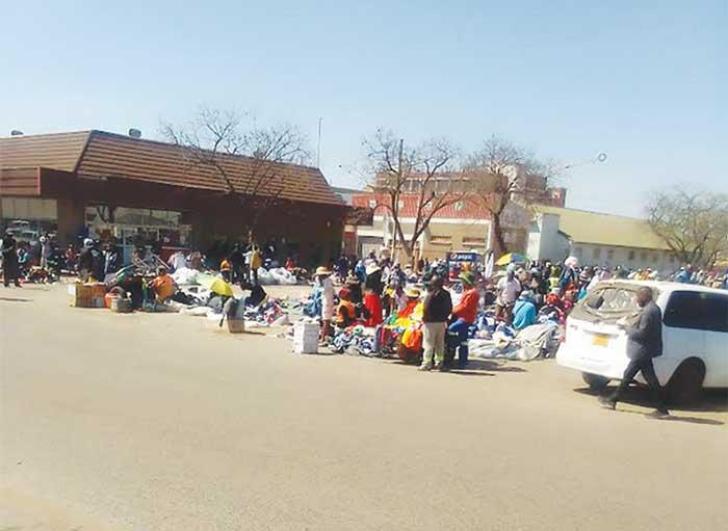
Bulawayo councillors have raised alarm over the escalating number of illegal vendors operating across the city, warning that the situation is worsening due to lack of enforcement.
The concerns are contained in the latest Health, Housing and Education Committee report, which council resolved to adopt, except for several items requiring further attention.
During deliberations, Councillor Siboniso Moyo said illegal vending in the CBD had been discussed for years without meaningful action.
“The numbers have continued to increase because there is no enforcement. The City is now very dirty because of these illegal vending activities. Other cities like Kwekwe, Masvingo and Mutare have eradicated illegal vending. There must be a joint operation between Council and other stakeholders to enforce by‑laws,” the minutes read.
Councillors also called for door‑to‑door cleanliness awareness campaigns, noting that littering and illegal dumping were major contributors to flash flooding, particularly in high‑density suburbs.
They highlighted that cleaning in the CBD was inadequate, with areas along 5th and 6th Avenue up to the Renkini extension described as “very dirty”. Councillors proposed that one of the national clean‑up Fridays be dedicated to cleaning the market area, led by the Mayor, councillors, directors and council staff.
Councillor Dumisani Nkomo revived calls for the establishment of municipal courts and the empowerment of municipal police with arresting powers, saying fines should be reviewed. He urged the Mayor to lobby central government through UCAZ.
Councillor Melisa Mabeza suggested temporarily closing 5th and 6th Avenues for 30 days to restore order. Councillor Josiah Mutangi blamed council for failing to properly develop Bhaktas 3rd Avenue, which he said had become a “white elephant”, forcing vendors back into the CBD.
The minutes noted that many illegal vendors operating along 5th Avenue were non‑residents who slept on the streets after trading hours. Councillors also cited a shortage of public toilets, with most available facilities being pay‑to‑use, contributing to fouling.
The CBD currently has only 27 litter bins, and many street cleaners are elderly and struggling to cope with the workload. Illegal pick‑up and drop‑off points were also identified as contributors to the city’s uncleanliness.
Councillors acknowledged that economic hardships were pushing residents into vending, but said council must construct proper vending sites with adequate facilities to attract traders.
Mayor David Coltart said illegal vending was linked to unemployment and regional economic pressures, including xenophobic attacks in South Africa and economic challenges in Botswana. He said vending areas must be improved before enforcement can be intensified.
He added that a meeting would soon be held with the Egodini Mall contractor to discuss new investment, while the Nkulumane model market should be replicated in other suburbs.
Council also noted rising lawlessness in the city, including illegal pick‑up points such as the one at 8th Avenue and Fort Street, where enforcement officers were seen patrolling without taking action.
Councillor Sikhululekile Moyo said non‑resident vendors were overwhelming the city and urged residents to keep Bulawayo clean. She said council was working on increasing the number of public toilets in the CBD.
The concerns are contained in the latest Health, Housing and Education Committee report, which council resolved to adopt, except for several items requiring further attention.
During deliberations, Councillor Siboniso Moyo said illegal vending in the CBD had been discussed for years without meaningful action.
“The numbers have continued to increase because there is no enforcement. The City is now very dirty because of these illegal vending activities. Other cities like Kwekwe, Masvingo and Mutare have eradicated illegal vending. There must be a joint operation between Council and other stakeholders to enforce by‑laws,” the minutes read.
Councillors also called for door‑to‑door cleanliness awareness campaigns, noting that littering and illegal dumping were major contributors to flash flooding, particularly in high‑density suburbs.
They highlighted that cleaning in the CBD was inadequate, with areas along 5th and 6th Avenue up to the Renkini extension described as “very dirty”. Councillors proposed that one of the national clean‑up Fridays be dedicated to cleaning the market area, led by the Mayor, councillors, directors and council staff.
Councillor Dumisani Nkomo revived calls for the establishment of municipal courts and the empowerment of municipal police with arresting powers, saying fines should be reviewed. He urged the Mayor to lobby central government through UCAZ.
Councillor Melisa Mabeza suggested temporarily closing 5th and 6th Avenues for 30 days to restore order. Councillor Josiah Mutangi blamed council for failing to properly develop Bhaktas 3rd Avenue, which he said had become a “white elephant”, forcing vendors back into the CBD.
The minutes noted that many illegal vendors operating along 5th Avenue were non‑residents who slept on the streets after trading hours. Councillors also cited a shortage of public toilets, with most available facilities being pay‑to‑use, contributing to fouling.
The CBD currently has only 27 litter bins, and many street cleaners are elderly and struggling to cope with the workload. Illegal pick‑up and drop‑off points were also identified as contributors to the city’s uncleanliness.
Councillors acknowledged that economic hardships were pushing residents into vending, but said council must construct proper vending sites with adequate facilities to attract traders.
Mayor David Coltart said illegal vending was linked to unemployment and regional economic pressures, including xenophobic attacks in South Africa and economic challenges in Botswana. He said vending areas must be improved before enforcement can be intensified.
He added that a meeting would soon be held with the Egodini Mall contractor to discuss new investment, while the Nkulumane model market should be replicated in other suburbs.
Council also noted rising lawlessness in the city, including illegal pick‑up points such as the one at 8th Avenue and Fort Street, where enforcement officers were seen patrolling without taking action.
Councillor Sikhululekile Moyo said non‑resident vendors were overwhelming the city and urged residents to keep Bulawayo clean. She said council was working on increasing the number of public toilets in the CBD.
Source - Byo24news
Join the discussion
Loading comments…





