News / National
Mbeki warns against term limit changes
27 May 2026 at 07:34hrs |
1466 Views
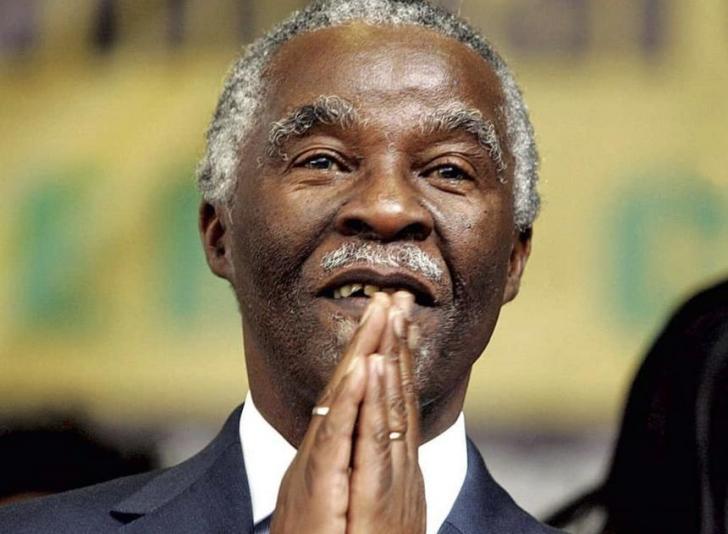
Former South African president Thabo Mbeki has warned African leaders against manipulating constitutions to extend presidential term limits, saying such actions undermine democratic governance and regional stability.
Mbeki's remarks come as Zimbabwe's Constitutional Amendment No. 3 Bill (CAB 3) continues to generate debate over proposed changes that seek to extend presidential and parliamentary terms from five to seven years and replace direct presidential elections with a parliamentary electoral system.
If passed, the amendments could potentially extend the tenure of Emmerson Mnangagwa beyond 2028.
Speaking during a NEPAD commemorative event in South Africa, Mbeki criticised attempts by African leaders to alter constitutions to prolong their stay in office, citing past regional interventions against similar moves.
He referred to former Zambian president Frederick Chiluba, who unsuccessfully sought a third presidential term before regional leaders intervened.
Mbeki said former Botswana president Festus Mogae played a key role in persuading Chiluba to abandon the bid.
"There was a time the ruling party, led by Kenneth Kaunda, lost to Frederick Chiluba's party. Chiluba took over as president, first and second terms. Towards the end of the second term, he wanted to change the constitution to get a third term," Mbeki said.
"We conspired in the region, and we said we do not want this in our region. So we had to stop President Chiluba; we had to choose the cleanest, most honest person with the moral authority to tell Chiluba, ‘No, we do not want this in the region,' and he was stopped."
Mbeki said the spirit of regional solidarity that once enabled African leaders to restrain unconstitutional political manoeuvres had weakened over time.
Speaking to NewsDay, South Africa-based political analyst Ricky Mukonza said Mbeki's intervention carried significant moral and historical authority.
"It is good that it is coming from a person of his calibre, who fought for his country and there is nothing that the likes of President Mnangagwa and his cabal can say Mbeki lacks that they do have," Mukonza said.
"He gave an example of previous African leaders like Chiluba of Zambia, who tried to do what Mnangagwa is trying to do. I don't think Mnangagwa is dull not to decipher the encrypted message from former President Thabo Mbeki."
Mukonza said Mbeki's comments should be understood as a warning against prolonged rule and the erosion of democratic governance.
"He understands what was in the minds of the likes of Patrice Lumumba, Kwame Nkrumah, Julius Nyerere and others," he said.
"He also had the opportunity to run one of Africa's biggest economies, South Africa, for almost a decade."
CAB 3 continues to face resistance from within and outside Zanu-PF.
The Law Society of Zimbabwe recently argued that provisions extending the tenure of sitting office holders violate section 328(7) of the Constitution and would require approval through a national referendum.
Several war veterans and opposition figures have also approached the Constitutional Court of Zimbabwe challenging the legality of the proposed amendments. The court has reserved judgment.
However, Justice minister Ziyambi Ziyambi and Attorney-General Virginia Mabhiza maintain that the amendments are lawful and do not directly alter presidential term limits, meaning a referendum is not required.
With the public consultation phase completed, the Bill is expected to be tabled for its first reading in the National Assembly next month. It will require a two-thirds majority in both Houses of Parliament, where Zanu-PF holds a numerical advantage.
Mbeki's remarks come as Zimbabwe's Constitutional Amendment No. 3 Bill (CAB 3) continues to generate debate over proposed changes that seek to extend presidential and parliamentary terms from five to seven years and replace direct presidential elections with a parliamentary electoral system.
If passed, the amendments could potentially extend the tenure of Emmerson Mnangagwa beyond 2028.
Speaking during a NEPAD commemorative event in South Africa, Mbeki criticised attempts by African leaders to alter constitutions to prolong their stay in office, citing past regional interventions against similar moves.
He referred to former Zambian president Frederick Chiluba, who unsuccessfully sought a third presidential term before regional leaders intervened.
Mbeki said former Botswana president Festus Mogae played a key role in persuading Chiluba to abandon the bid.
"There was a time the ruling party, led by Kenneth Kaunda, lost to Frederick Chiluba's party. Chiluba took over as president, first and second terms. Towards the end of the second term, he wanted to change the constitution to get a third term," Mbeki said.
"We conspired in the region, and we said we do not want this in our region. So we had to stop President Chiluba; we had to choose the cleanest, most honest person with the moral authority to tell Chiluba, ‘No, we do not want this in the region,' and he was stopped."
Mbeki said the spirit of regional solidarity that once enabled African leaders to restrain unconstitutional political manoeuvres had weakened over time.
Speaking to NewsDay, South Africa-based political analyst Ricky Mukonza said Mbeki's intervention carried significant moral and historical authority.
"It is good that it is coming from a person of his calibre, who fought for his country and there is nothing that the likes of President Mnangagwa and his cabal can say Mbeki lacks that they do have," Mukonza said.
"He gave an example of previous African leaders like Chiluba of Zambia, who tried to do what Mnangagwa is trying to do. I don't think Mnangagwa is dull not to decipher the encrypted message from former President Thabo Mbeki."
Mukonza said Mbeki's comments should be understood as a warning against prolonged rule and the erosion of democratic governance.
"He understands what was in the minds of the likes of Patrice Lumumba, Kwame Nkrumah, Julius Nyerere and others," he said.
"He also had the opportunity to run one of Africa's biggest economies, South Africa, for almost a decade."
CAB 3 continues to face resistance from within and outside Zanu-PF.
The Law Society of Zimbabwe recently argued that provisions extending the tenure of sitting office holders violate section 328(7) of the Constitution and would require approval through a national referendum.
Several war veterans and opposition figures have also approached the Constitutional Court of Zimbabwe challenging the legality of the proposed amendments. The court has reserved judgment.
However, Justice minister Ziyambi Ziyambi and Attorney-General Virginia Mabhiza maintain that the amendments are lawful and do not directly alter presidential term limits, meaning a referendum is not required.
With the public consultation phase completed, the Bill is expected to be tabled for its first reading in the National Assembly next month. It will require a two-thirds majority in both Houses of Parliament, where Zanu-PF holds a numerical advantage.
Source - newsday
Join the discussion
Loading comments…





