News / National
Zimbabwe targets US$25bn livestock sector by 2030
10 Dec 2025 at 06:51hrs |
0 Views
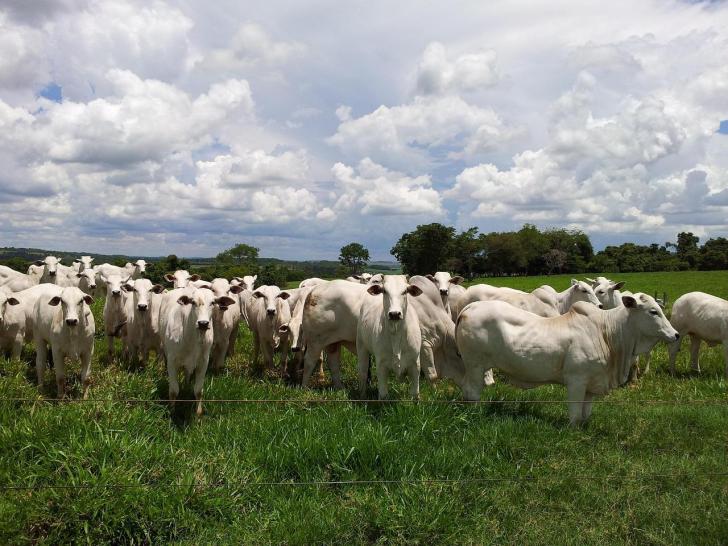
Zimbabwe's livestock sector is set for a major overhaul, with the Zimbabwe Feed and Fodder Multi-stakeholder Platform (ZFFMSP) announcing plans to build the industry into a US$25 billion powerhouse. The initiative aims to strengthen the feed and fodder value chain - a critical foundation for livestock production and a key driver of economic growth.
The country currently holds an estimated 5,74 million cattle, but productivity has been strained by severe climate shocks. The El Niño-induced drought of the 2023-24 season resulted in the death of nearly 10 000 cattle nationwide, while about 47% of rural wards have been struggling with depleted pasture since mid-2024, threatening livestock survival and market supply.
Speaking at a ZFFMSP breakfast meeting in Harare this week, Lands, Agriculture, Fisheries, Water and Rural Development ministry secretary Obert Jiri said Zimbabwe has the capacity to rebuild and expand its national herd. Through sustainable feed and water provision, the government is targeting an increase from 5,7 million to 6,6 million cattle by 2030.
"That is to increase our national cattle herd to 6,6 million, our broiler production to 362 000 metric tonnes and our milk production to 200 million litres by 2030," Jiri said in a speech delivered on his behalf by departmental director Sitokozile Sibanda. He emphasised that boosting feed availability, irrigation systems and water security would be central to achieving this expansion.
Jiri said government sees drought-resistant crop production as an essential component in building resilience within the livestock sector. He noted the country's vast water capacity - including more than 10 000 dams and plans for 35 000 rural boreholes under the Presidential Rural Development Programme - as a foundation for all-year fodder cropping.
"This has become an easy economic model in action, moving us from rain-fed vulnerability to irrigated alignment with ZFFMSP as the engine of coordination," he said, stressing that the ultimate goal was to make agriculture globally competitive.
ZFFMSP chairperson Nathaniel Makoni said the drought-related losses highlighted the urgency of structural reforms. He said a transformation driven by competitive feed systems would lower production costs, improve quality and boost output across beef, dairy and other livestock industries.
"Our vision is US$25 billion. This is the opportunity we can unlock by creating a globally competitive livestock sector," Makoni said. He called on farmers, private players, development experts and policymakers to work collectively towards full value chain control and investment expansion.
Sarah Ashanut Ossiya, coordinator for the RAFFS Project under AU-IBAR, said Africa as a whole must scale up its livestock production to match global demand and tap into trade markets. She stressed that sustainability must remain a pillar, with a shift toward feed-based production systems to reduce drought vulnerability.
"Africa must scale up its livestock production and also make it accessible through rapid and massive upscale and institutionalisation," Ossiya said. "Environmental health and sustainability will be critical."
The initiative marks one of the strongest multi-sector efforts in recent years to secure Zimbabwe's livestock future, with stakeholders optimistic that investment, improved production systems and climate-resilient planning could unlock the multi-billion-dollar potential of the industry.
The country currently holds an estimated 5,74 million cattle, but productivity has been strained by severe climate shocks. The El Niño-induced drought of the 2023-24 season resulted in the death of nearly 10 000 cattle nationwide, while about 47% of rural wards have been struggling with depleted pasture since mid-2024, threatening livestock survival and market supply.
Speaking at a ZFFMSP breakfast meeting in Harare this week, Lands, Agriculture, Fisheries, Water and Rural Development ministry secretary Obert Jiri said Zimbabwe has the capacity to rebuild and expand its national herd. Through sustainable feed and water provision, the government is targeting an increase from 5,7 million to 6,6 million cattle by 2030.
"That is to increase our national cattle herd to 6,6 million, our broiler production to 362 000 metric tonnes and our milk production to 200 million litres by 2030," Jiri said in a speech delivered on his behalf by departmental director Sitokozile Sibanda. He emphasised that boosting feed availability, irrigation systems and water security would be central to achieving this expansion.
Jiri said government sees drought-resistant crop production as an essential component in building resilience within the livestock sector. He noted the country's vast water capacity - including more than 10 000 dams and plans for 35 000 rural boreholes under the Presidential Rural Development Programme - as a foundation for all-year fodder cropping.
"This has become an easy economic model in action, moving us from rain-fed vulnerability to irrigated alignment with ZFFMSP as the engine of coordination," he said, stressing that the ultimate goal was to make agriculture globally competitive.
ZFFMSP chairperson Nathaniel Makoni said the drought-related losses highlighted the urgency of structural reforms. He said a transformation driven by competitive feed systems would lower production costs, improve quality and boost output across beef, dairy and other livestock industries.
"Our vision is US$25 billion. This is the opportunity we can unlock by creating a globally competitive livestock sector," Makoni said. He called on farmers, private players, development experts and policymakers to work collectively towards full value chain control and investment expansion.
Sarah Ashanut Ossiya, coordinator for the RAFFS Project under AU-IBAR, said Africa as a whole must scale up its livestock production to match global demand and tap into trade markets. She stressed that sustainability must remain a pillar, with a shift toward feed-based production systems to reduce drought vulnerability.
"Africa must scale up its livestock production and also make it accessible through rapid and massive upscale and institutionalisation," Ossiya said. "Environmental health and sustainability will be critical."
The initiative marks one of the strongest multi-sector efforts in recent years to secure Zimbabwe's livestock future, with stakeholders optimistic that investment, improved production systems and climate-resilient planning could unlock the multi-billion-dollar potential of the industry.
Source - Newsday
Join the discussion
Loading comments…





