News / National
Mugabe's words on Kalangas return to haunt his family
02 Mar 2026 at 16:16hrs |
0 Views
In April 2015, during a press conference at a Southern African Development Community Extraordinary Summit in Harare, the late former president Robert Mugabe ignited controversy after singling out the Kalanga community from Matabeleland South over migration to South Africa.
Addressing xenophobic attacks that were then flaring up in South Africa, Mugabe urged Zimbabweans to return home. However, in the process, he made remarks that many described as tribalistic and deeply offensive. He claimed that Kalangas were "not educated enough" to secure decent jobs and alleged they were "notorious" for crime in South Africa, branding them as "crooks." He further suggested that young Kalanga men believed they had not experienced the "good life" unless they had travelled to Johannesburg, regardless of what they did there.
The comments sparked immediate backlash from critics, civic groups and members of the Kalanga community, a minority ethnic group largely found in southwestern Zimbabwe and across the border into Botswana. Many described the statements as divisive and harmful, particularly at a time when Zimbabweans in South Africa were facing violence and discrimination.
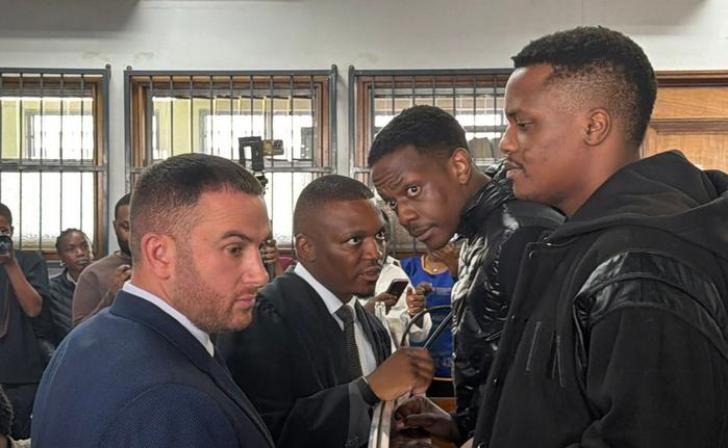
Now, nearly seven years after Mugabe's death in 2019, irony has cast a long shadow over those remarks. His son, Bellarmine Chatunga Mugabe, is reportedly in jail facing attempted murder charges after allegedly shooting his gardener. At the same time, reports suggest he has been living in South Africa without proper legal status.
For critics, the development underscores what they see as a stark contradiction between Mugabe's past rhetoric and the present reality surrounding his own family. While the elder Mugabe once castigated a minority group over allegations of criminality and migration, his son now finds himself entangled in serious criminal allegations beyond Zimbabwe's borders.
The episode has reignited debate about tribal politics, accountability, and the long-term impact of public statements made by national leaders. For many Zimbabweans, it is a sobering reminder of how words spoken from positions of power can echo far beyond their moment - and sometimes return in unexpected ways.
Addressing xenophobic attacks that were then flaring up in South Africa, Mugabe urged Zimbabweans to return home. However, in the process, he made remarks that many described as tribalistic and deeply offensive. He claimed that Kalangas were "not educated enough" to secure decent jobs and alleged they were "notorious" for crime in South Africa, branding them as "crooks." He further suggested that young Kalanga men believed they had not experienced the "good life" unless they had travelled to Johannesburg, regardless of what they did there.
The comments sparked immediate backlash from critics, civic groups and members of the Kalanga community, a minority ethnic group largely found in southwestern Zimbabwe and across the border into Botswana. Many described the statements as divisive and harmful, particularly at a time when Zimbabweans in South Africa were facing violence and discrimination.
For critics, the development underscores what they see as a stark contradiction between Mugabe's past rhetoric and the present reality surrounding his own family. While the elder Mugabe once castigated a minority group over allegations of criminality and migration, his son now finds himself entangled in serious criminal allegations beyond Zimbabwe's borders.
The episode has reignited debate about tribal politics, accountability, and the long-term impact of public statements made by national leaders. For many Zimbabweans, it is a sobering reminder of how words spoken from positions of power can echo far beyond their moment - and sometimes return in unexpected ways.
Source - online
Join the discussion
Loading comments…


