News / National
Southern African liberation movements meet in Tanzania
04 Mar 2026 at 12:25hrs |
0 Views
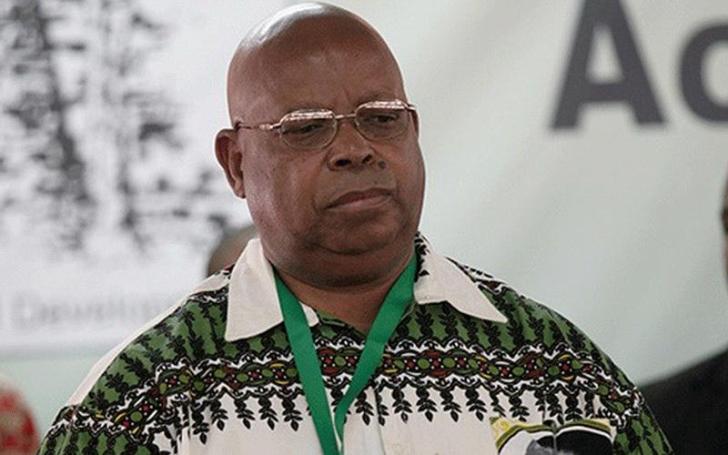
Secretaries-general and senior officials from Southern Africa's former liberation movements are convening in Dar es Salaam this week to discuss strategies for maintaining political influence and reinforcing regional solidarity. The meetings are taking place against a backdrop of shifting political dynamics, internal factionalism, and pressures from younger generations across the region.
The gathering, hosted in one of the region's historical strongholds of the anti-colonial struggle, will include an ordinary secretariat meeting alongside the first formal, face-to-face Board of Trustees meeting of the Mwalimu Julius Nyerere Leadership School, scheduled for March 4–5. The school is a key ideological training hub aimed at consolidating leadership and instilling the values of the liberation era among current and future cadres.
Zimbabwe's ruling Zanu PF Secretary-General Jacob Mudenda is among the expected attendees. Other principal parties involved include the African National Congress (ANC) of South Africa, MPLA of Angola, SWAPO of Namibia, FRELIMO of Mozambique, and Tanzania's own Chama Cha Mapinduzi (CCM). The Botswana Democratic Party, which joined the secretariat in 2019, and other historically significant movements such as Zambia's UNIP, Zimbabwe's now-defunct ZAPU, and South Africa's PAC also form part of the broader liberation legacy network.
The secretariat serves as a collaborative structure that facilitates ideological alignment, political cohesion, and mutual support among ruling parties that fought colonialism and white-minority rule between the 1960s and 1990s. Its agenda typically includes regional stability, defense of political legacies, and the coordination of ideological and leadership training.
Tanzania, under the late Mwalimu Julius Nyerere, played a pivotal role in the liberation struggles, hosting military training camps, diplomatic support networks, and logistical bases for movements like the ANC, ZAPU, Zanu, and FRELIMO. The country remains a symbolic and practical hub for the secretariat, which continues to prioritise solidarity among its members.
The ANC, which hosted the 2025 Liberation Movements Summit in Johannesburg, sent a delegation led by Secretary-General Fikile Mbalula. In a social media post, Mbalula emphasised the gathering's purpose:
"We have touched down in Dar es Salaam, Tanzania, where I am honored to lead an ANC delegation to the Ordinary Meeting of the Liberation Movements Secretariat. This gathering marks a significant step in strengthening solidarity, advancing progressive leadership, and deepening cooperation among liberation movements across our continent."
The secretariat's work, while focused on consolidating power and countering opposition, has drawn criticism for prioritising liberation-era solidarity over democratic accountability in member states. Analysts note that current meetings are likely to tackle internal party factionalism, declining popularity, and the evolving socio-political expectations of younger generations.
As the liberation movements navigate changing political landscapes, the Dar es Salaam meeting underscores both the enduring influence of the region's historical liberation legacy and the challenges it faces in remaining relevant in contemporary governance.
The gathering, hosted in one of the region's historical strongholds of the anti-colonial struggle, will include an ordinary secretariat meeting alongside the first formal, face-to-face Board of Trustees meeting of the Mwalimu Julius Nyerere Leadership School, scheduled for March 4–5. The school is a key ideological training hub aimed at consolidating leadership and instilling the values of the liberation era among current and future cadres.
Zimbabwe's ruling Zanu PF Secretary-General Jacob Mudenda is among the expected attendees. Other principal parties involved include the African National Congress (ANC) of South Africa, MPLA of Angola, SWAPO of Namibia, FRELIMO of Mozambique, and Tanzania's own Chama Cha Mapinduzi (CCM). The Botswana Democratic Party, which joined the secretariat in 2019, and other historically significant movements such as Zambia's UNIP, Zimbabwe's now-defunct ZAPU, and South Africa's PAC also form part of the broader liberation legacy network.
The secretariat serves as a collaborative structure that facilitates ideological alignment, political cohesion, and mutual support among ruling parties that fought colonialism and white-minority rule between the 1960s and 1990s. Its agenda typically includes regional stability, defense of political legacies, and the coordination of ideological and leadership training.
The ANC, which hosted the 2025 Liberation Movements Summit in Johannesburg, sent a delegation led by Secretary-General Fikile Mbalula. In a social media post, Mbalula emphasised the gathering's purpose:
"We have touched down in Dar es Salaam, Tanzania, where I am honored to lead an ANC delegation to the Ordinary Meeting of the Liberation Movements Secretariat. This gathering marks a significant step in strengthening solidarity, advancing progressive leadership, and deepening cooperation among liberation movements across our continent."
The secretariat's work, while focused on consolidating power and countering opposition, has drawn criticism for prioritising liberation-era solidarity over democratic accountability in member states. Analysts note that current meetings are likely to tackle internal party factionalism, declining popularity, and the evolving socio-political expectations of younger generations.
As the liberation movements navigate changing political landscapes, the Dar es Salaam meeting underscores both the enduring influence of the region's historical liberation legacy and the challenges it faces in remaining relevant in contemporary governance.
Source - online
Join the discussion
Loading comments…



